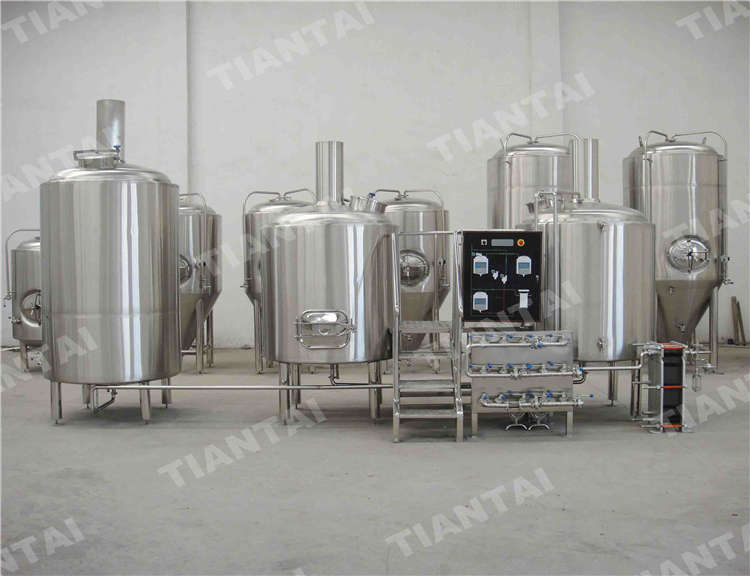
A plate heat exchanger is one of the most important components in a modern brewery.
After wort boiling and whirlpool separation, the wort must be cooled quickly and safely to yeast pitching temperature before fermentation. A properly designed wort cooling system helps breweries maintain fermentation consistency, reduce production delays, and protect beer quality.
However, like any process equipment, a plate heat exchanger requires proper operation and maintenance. Over time, organic deposits, mineral scaling, gasket aging, and incorrect assembly after maintenance can reduce heat transfer efficiency or even interrupt production.
For brewery operators, understanding how to inspect, clean, disassemble, and reinstall a plate heat exchanger is an important part of maintaining reliable brewing operations.
Why brewery plate heat exchangers need regular maintenance
Breweries use plate heat exchangers because they provide a large heat-transfer area in a compact design. Multiple stainless-steel plates create narrow channels where hot wort and cooling media flow separately, allowing heat to transfer efficiently without mixing the two fluids.
This compact structure also means the internal channels have limited space. During brewery operation, residues such as:
- Protein deposits
- Hop particles
- Trub
- Yeast-related solids
- Mineral scale from water
can gradually accumulate on plate surfaces if cleaning conditions are insufficient.
As fouling increases, breweries may notice:
- Longer wort cooling times
- Higher wort outlet temperatures
- Increased cooling water or glycol consumption
- Higher pressure drop across the heat exchanger
- Reduced production efficiency
In some cases, the problem is not the heat exchanger itself, but insufficient cleaning procedures, incorrect operating conditions, or a mismatch between the equipment design and the brewery process.
Regular inspection and preventive maintenance help identify these problems before they affect production.
Common reasons breweries need to open a plate heat exchanger
A plate heat exchanger should not normally require frequent disassembly if the CIP system and operating conditions are properly designed.
However, manual opening may become necessary when breweries experience:
Reduced Cooling Performance
If the wort is no longer reaching the expected pitching temperature within the normal transfer time, possible causes include:
- Fouling on the plate surface
- Reduced flow rate
- Blocked channels
- Cooling medium temperature problems
A temperature and pressure comparison with the original operating conditions is often the first step in identifying whether the heat exchanger needs cleaning.
External Leakage
Leakage around the plate pack is often related to gasket conditions.
Over time, gaskets may:
- Lose elasticity
- Harden due to repeated temperature cycles
- Become damaged during operation or previous maintenance
Replacing worn gaskets is usually part of a major inspection.
Increased Pressure Drop
A higher-than-normal pressure difference across the heat exchanger often indicates restricted flow.
For breweries, this may happen when hop particles or solids enter the heat exchanger and accumulate inside narrow plate channels.
Preparation before disassembling a brewery plate heat exchanger
Opening a plate heat exchanger is not complicated, but incorrect preparation can create unnecessary downtime.
Before starting maintenance, breweries should prepare:
Replacement Gaskets and Spare Parts
One common mistake is opening the heat exchanger first and only then checking whether replacement parts are available.
A complete gasket set should be prepared in advance if the unit requires regasketing.
Depending on operating conditions and equipment age, breweries may also consider preparing:
- Spare plates
- O-rings
- Fasteners
- Cleaning chemicals
Having spare parts available reduces unexpected production delays.
Record the Original Plate Arrangement
A plate heat exchanger is not simply a stack of identical plates.
Each plate has a specific orientation, gasket position, and flow arrangement.
Before removal:
- Take photos of the assembled unit
- Mark plate sequence
- Record flow direction
- Note the original tightening dimension
Incorrect plate arrangement during reassembly can lead to:
- Internal flow problems
- Reduced heat transfer
- Leakage
Experienced brewery operators often emphasize marking plates before disassembly because restoring the original configuration is one of the most important steps during maintenance.
Isolate and Depressurize the Equipment
Before opening the unit:
- Stop wort and cooling media flow
- Close valves
- Drain remaining liquid
- Confirm that internal pressure has been released
A plate heat exchanger should never be opened while pressure remains inside the system.
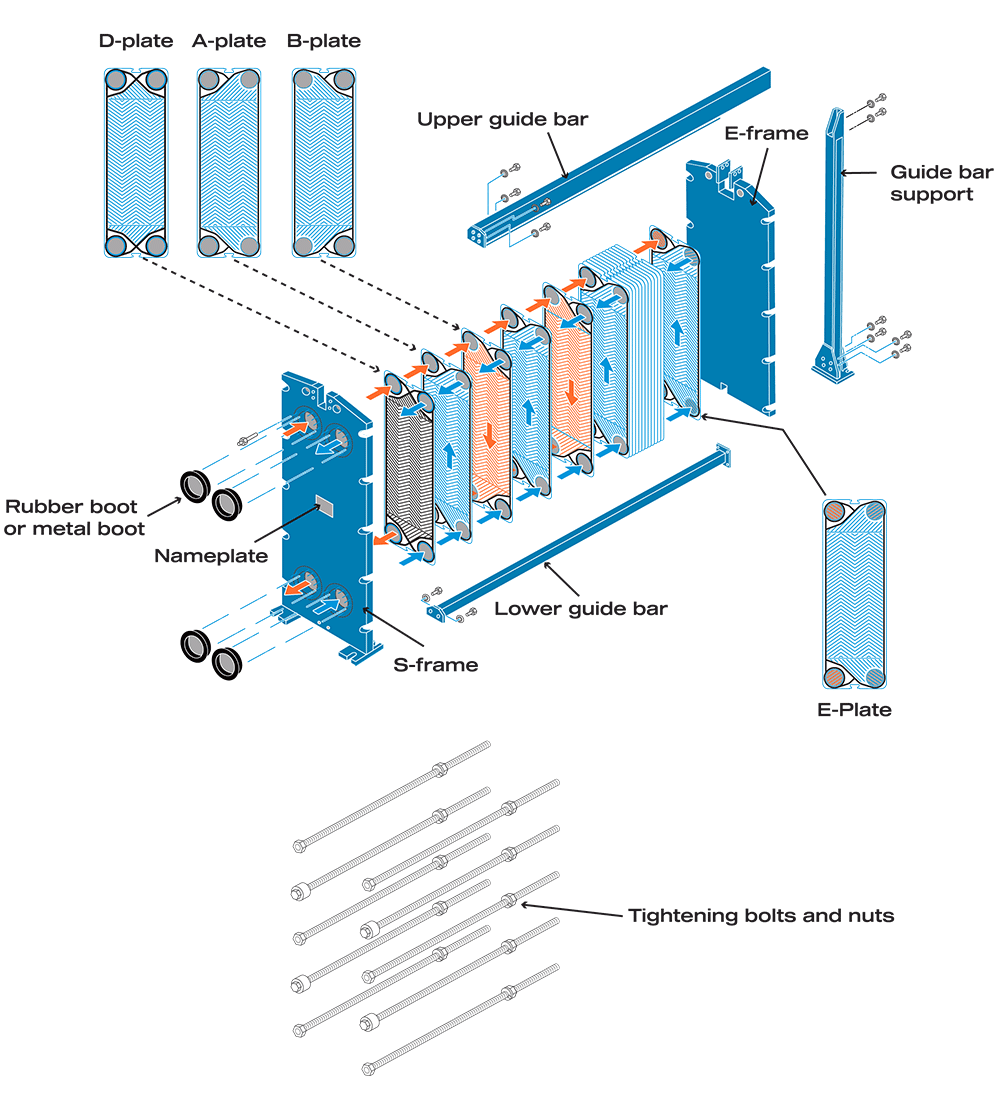
How to disassemble a brewery plate heat exchanger
The exact procedure depends on the equipment design, but the general process includes several important steps.
Loosen the Tie Bolts Evenly
The frame bolts should be loosened gradually and evenly.
Avoid completely loosening one bolt while leaving others fully tightened, as uneven pressure release may affect the frame and plate pack.
Separate the Frame Plates
After releasing the compression force, the movable frame plate can be opened to expose the plate pack.
At this stage, inspect:
- Plate condition
- Gasket condition
- Deposit buildup
- Signs of corrosion or damage
Remove Plates Carefully if Required
If the plates need to be removed:
- Keep them in the original sequence
- Avoid scratching stainless-steel surfaces
- Protect gasket grooves from damage
The stainless-steel plate surface is designed for efficient heat transfer. Scratches or deformation can affect both performance and sealing.
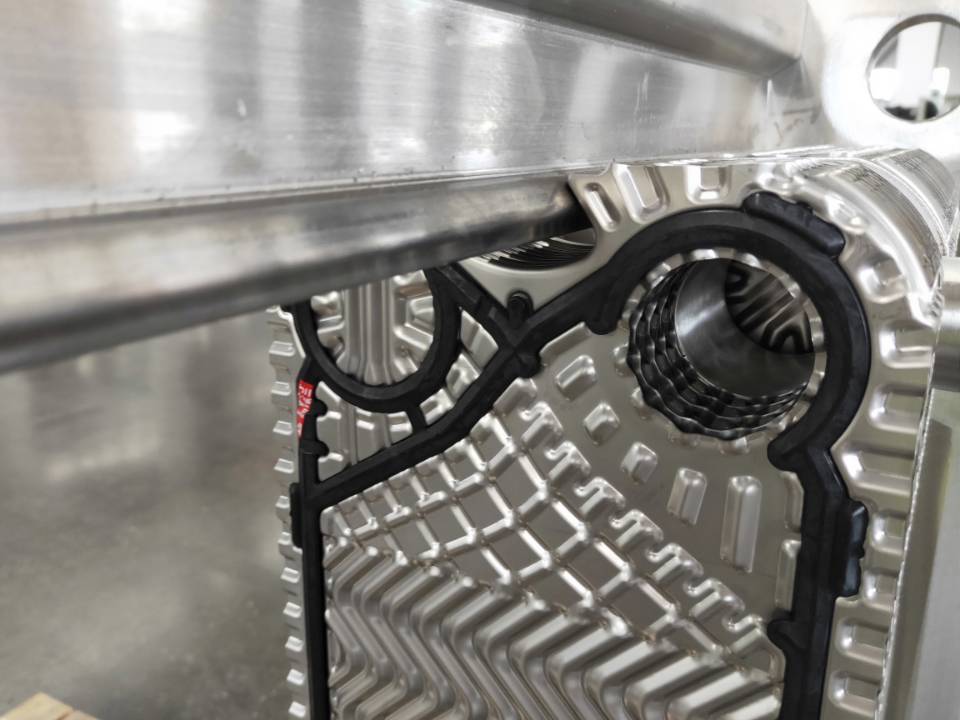
Inspecting plates and gaskets during maintenance
Opening a heat exchanger provides an opportunity to evaluate whether the equipment is operating under suitable conditions.
Plate Inspection
Check each plate for:
- Corrosion
- Cracks
- Deformation
- Scratches
- Heavy deposits
A damaged plate may cause cross-contamination between wort and cooling media.
Gasket Inspection
Gaskets are critical sealing components.
Inspect for:
- Hardening
- Cracks
- Loss of flexibility
- Incorrect positioning
- Chemical damage
When replacing gaskets, the new gasket must match the plate design and operating conditions.
Cleaning brewery plate heat exchanger plates
Cleaning methods depend on the type and severity of deposits.
Manual Cleaning
For opened plate heat exchangers, plates can be cleaned manually using suitable methods.
Recommended practices include:
- Use soft brushes or appropriate cleaning tools
- Avoid abrasive materials that damage plate surfaces
- Rinse thoroughly after cleaning
Metal brushes or aggressive mechanical cleaning can damage stainless-steel surfaces and shorten equipment life.
CIP Cleaning
A well-designed CIP system can significantly reduce the need for frequent manual disassembly.
A typical brewery heat exchanger CIP procedure may include:
- Water flushing to remove loose residues
- Caustic cleaning to remove organic deposits
- Acid cleaning when mineral scaling occurs
- Final rinsing before production
The cleaning solution must be compatible with both the plate material and gasket material. Incorrect chemicals or excessive concentration may damage the equipment.
For this reason, CIP design should be considered when planning the brewery system, not added later as a separate improvement.
How to reassemble a plate heat exchanger correctly
Reassembly is where many maintenance problems occur.
A heat exchanger may appear correctly installed but still experience leakage or poor performance if the plate pack is not restored properly.
Follow the Original Plate Sequence
Plates must return to their original position and direction.
Changing the arrangement can alter the internal flow path.
Check Gasket Position
Before closing the unit:
- Confirm gasket placement
- Remove foreign materials from sealing areas
- Ensure plates are aligned correctly
Tighten to the Correct Dimension
A common misunderstanding is that tighter means better sealing.
In reality, excessive compression may damage plates or gaskets, while insufficient compression may cause leakage.
The plate pack should be tightened according to the manufacturer’s specified dimension rather than by visual judgment alone.
Perform a Pressure Test Before Production
After reassembly:
- Check for external leaks
- Confirm normal flow
- Verify cooling performance
A short inspection before returning to production can prevent larger problems during a brew day.
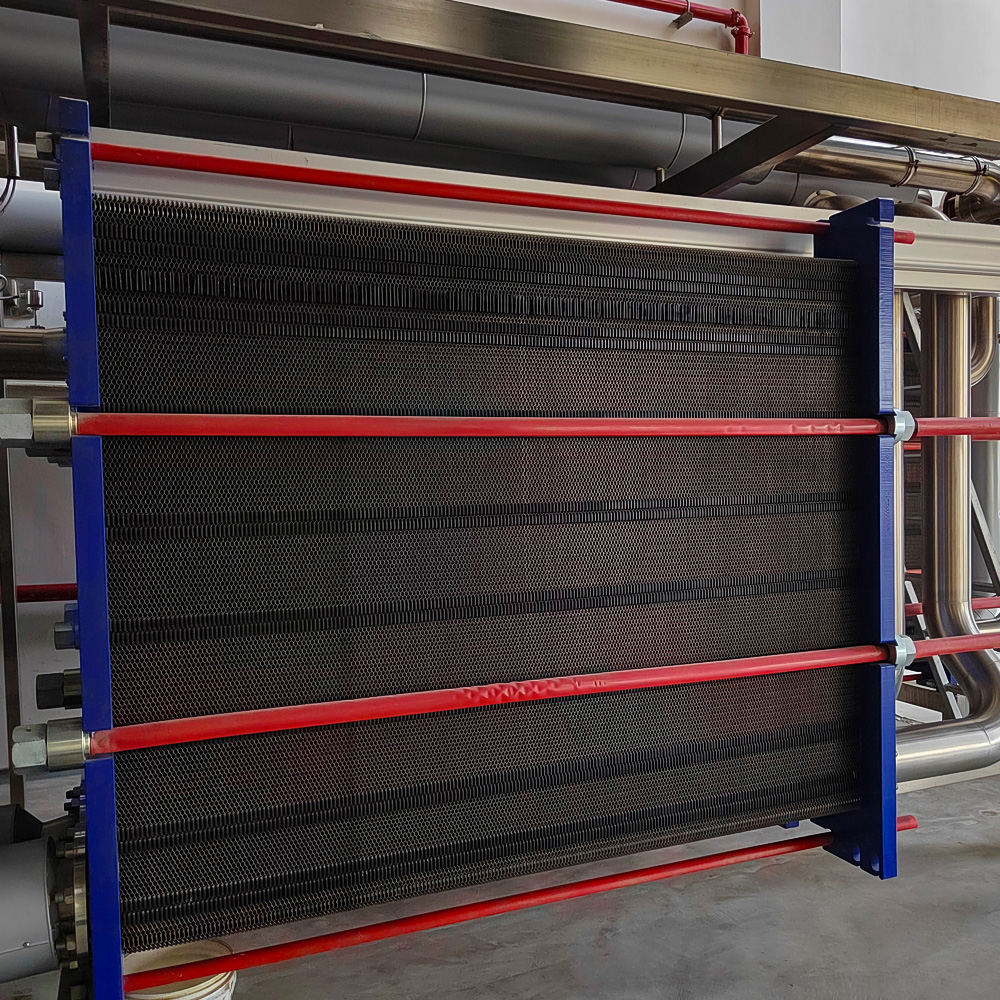
Tiantai brewery wort cooling and brewhouse solutions
As a brewery equipment manufacturer, Tiantai designs wort cooling systems as part of complete brewing solutions.
Depending on brewery requirements, Tiantai integrates:
- Plate heat exchangers
- Wort pumps
- Cooling water and glycol systems
- CIP connections
- Brewhouse piping
- Temperature control systems
From microbreweries to larger commercial brewing facilities, the cooling system is designed around production capacity, brewing process, available utilities, and future expansion needs.
A reliable plate heat exchanger is not only about efficient heat transfer.
It is about maintaining consistent wort quality, stable fermentation conditions, and predictable brewery operation.
Conclusion
A plate heat exchanger may look like a simple component in a brewery, but its condition directly affects production efficiency and beer quality.
Understanding how to maintain, clean, disassemble, and reinstall the equipment helps breweries reduce downtime and extend equipment life.
For new brewery projects, the best approach is to consider heat exchanger selection, CIP design, wort handling, and future expansion as part of one integrated brewing system.
A well-designed wort cooling solution does more than cool wort.
It provides a reliable foundation for consistent beer production.