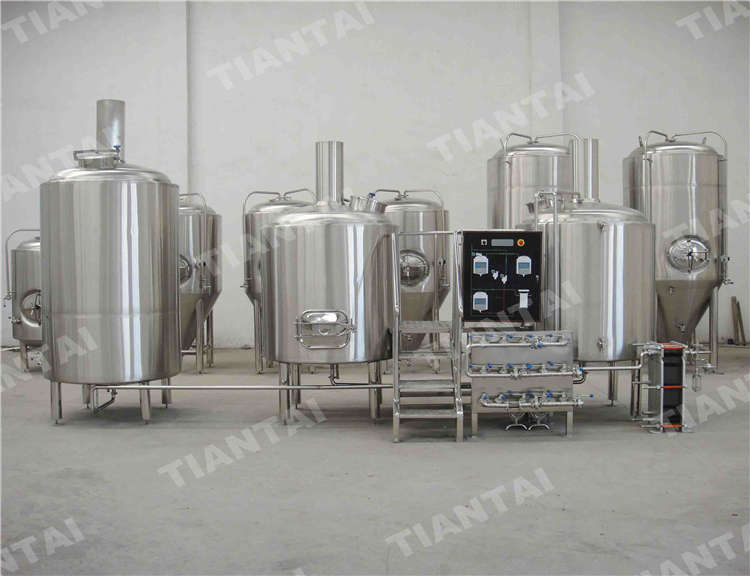
La malta es la base de la elaboración de la cerveza. Antes de entrar en el sistema de molienda, la malta debe someterse a un proceso de limpieza adecuado para eliminar materiales no deseados, como polvo, cáscaras, piedras, partículas metálicas y otras materias extrañas.
Entre estas impurezas, las piedras son uno de los contaminantes más difíciles de eliminar.
La razón es sencilla: muchas piedras mezcladas con la malta tienen un tamaño y una forma similares a los de los granos de malta. Los equipos de cribado tradicionales no pueden separarlas de forma eficaz, ya que la malla debe ser lo suficientemente grande como para que pase la malta, pero lo suficientemente pequeña como para retener las piedras.
Por eso, las fábricas de cerveza profesionales utilizan equipos de despedregado, que separan las impurezas pesadas aprovechando la diferencia de densidad entre la malta y las piedras.
En el procesamiento moderno de cereales, la separación de piedras se lleva a cabo principalmente mediante la tecnología de separación por densidad en seco, mientras que la separación de piedras en húmedo se utiliza normalmente en otras industrias cerealistas, pero no en la preparación estándar de la malta para cervecería.
El principio de la separación de piedras de la malta: diferencia de densidad en lugar de diferencia de tamaño
El objetivo de una despedregadora de malta no es separar los materiales por tamaño, sino por diferencias en la densidad.
Un típico despedregadora por gravedad combina tres mecanismos:
- Flujo de aire controlado
- Plataforma inclinada vibratoria
- Diferencia de densidad entre materiales
Durante el funcionamiento:
- La malta entra en la superficie de la criba vibratoria.
- El flujo de aire pasa hacia arriba a través de la plataforma perforada, creando una capa fluidizada.
- Los granos de malta ligeros se desplazan hacia la salida de malta limpia.
- Los materiales más pesados, como las piedras y las partículas minerales, permanecen más cerca de la superficie de la cubierta.
- La vibración desplaza estas impurezas pesadas por separado hacia la salida de descarga de la piedra.
Dado que las piedras son mucho más densas que los granos de malta, es posible separar eficazmente incluso las piedras que tienen dimensiones similares. Este principio se aplica ampliamente en los sistemas de limpieza de cereales para el procesamiento de cebada, trigo, maíz y malta.
Principales tipos de despedregadoras utilizadas en el procesamiento de cereales
Aunque en la industria cerealista existen varios métodos de desgranado, no todos son adecuados para las fábricas de cerveza.
En cuanto a los sistemas de manipulación de malta, las opciones más habituales son principalmente:
- Por gravedad y succión despedregadora
- De presión despedregadora por gravedad
- Despedregadora de aire de circuito cerrado
Por lo general, en las fábricas de cerveza no se utilizan sistemas de deshuesado en húmedo antes de la molienda, ya que aportan humedad adicional a la malta.
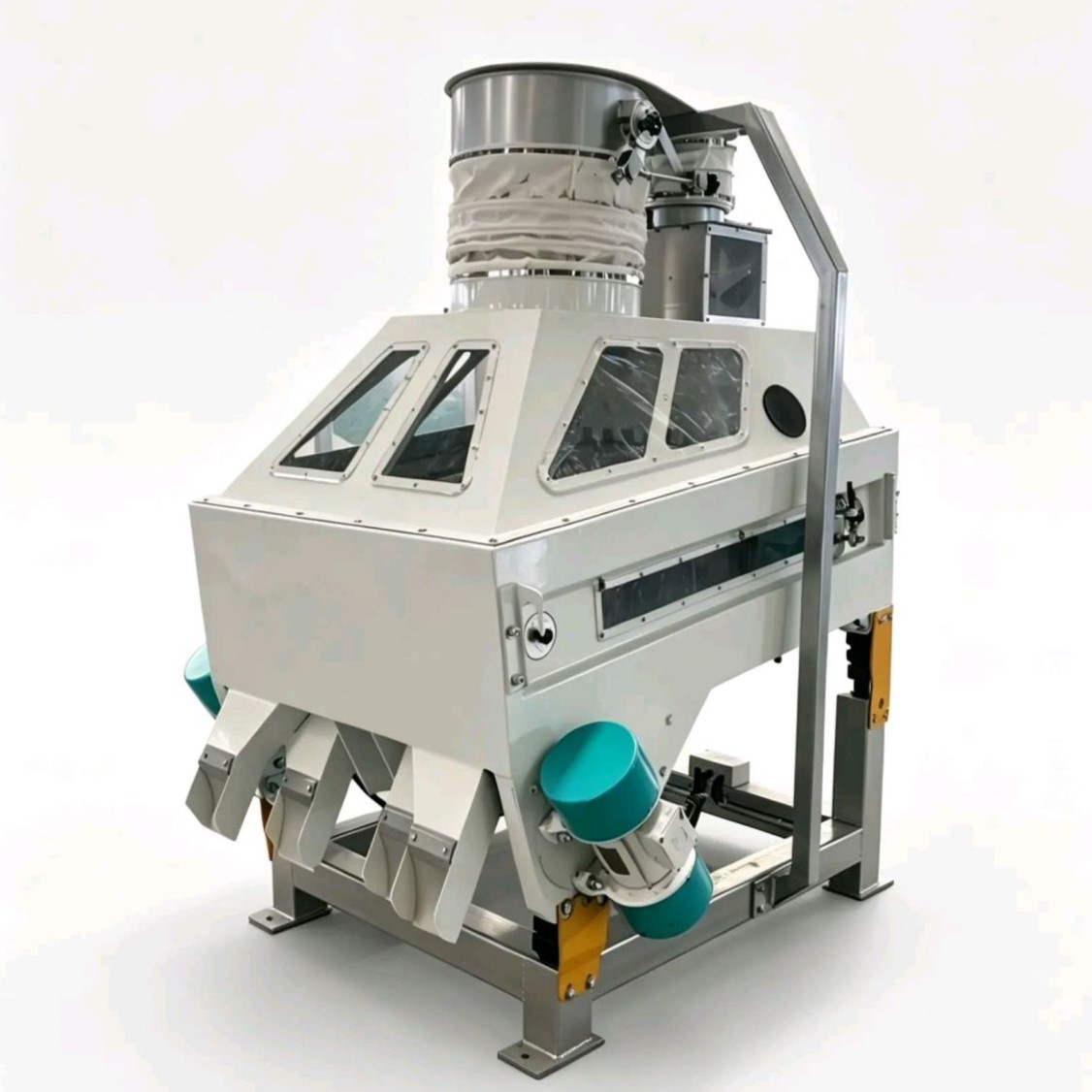
1. Despedregadora por gravedad con sistema de succión: la solución ideal para las fábricas de cerveza
La succión despedregadora Es, en la actualidad, una de las soluciones más adecuadas para la limpieza de la malta en las fábricas de cerveza.
En este diseño, el flujo de aire es impulsado a través de la plataforma vibratoria por un sistema de ventilación externo. La presión negativa controlada garantiza una distribución estable del aire a lo largo de la capa de malta.
Ventajas
Alta eficacia en la eliminación de piedras
El sistema de aspiración puede eliminar eficazmente:
- Piedras
- Partículas de arena
- Impurezas minerales
- Fragmentos de cristal
- Otros contaminantes de alta densidad
Esto protege los equipos situados más adelante en la cadena de producción, como los molinos de malta, y reduce el riesgo de daños mecánicos.
Un entorno de trabajo más limpio
Dado que el flujo de aire se controla dentro de un sistema cerrado, se puede reducir la generación de polvo en comparación con los sistemas de presión abiertos.
Apto para la producción automatizada en fábricas de cerveza
Succión despedregadoras se puede integrar con:
- Silos de malta
- Sistemas de transporte
- Separadores magnéticos
- Molinos de malta
- Sistemas de captación de polvo
Esto las hace idóneas para las fábricas de cerveza que necesitan una preparación continua de la malta.
Limitaciones
El rendimiento depende del ajuste correcto de:
- Volumen de aire
- Inclinación de la cubierta
- Frecuencia de vibración
- Velocidad de alimentación
Las diferentes variedades de malta y condiciones de humedad pueden requerir parámetros de funcionamiento distintos.
2. Despedregadora por gravedad de tipo presión: una alternativa más sencilla
Una presión despedregadora utiliza un flujo de aire positivo procedente de debajo de la plataforma vibratoria.
El principio de funcionamiento es similar: el aire eleva las partículas de malta más ligeras, mientras que las piedras, más pesadas, quedan separadas.
Ventajas
- Estructura sencilla
- Menor inversión en equipamiento
- Fácil mantenimiento
Limitaciones
En comparación con los sistemas de succión:
- Es posible que sea necesario reforzar las medidas de control del polvo
- La distribución del aire puede ser más delicada
- Es menos habitual en los sistemas modernos de manipulación de malta de las fábricas de cerveza cerradas
En el caso de las cervecerías de pequeña escala o de proyectos con requisitos de automatización limitados, aún se puede considerar el uso de despedregadoras a presión.
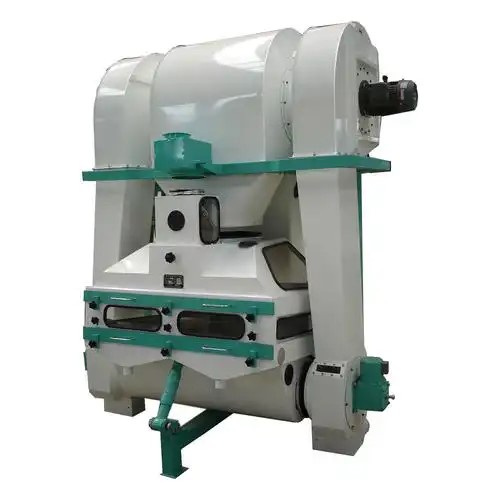
3. Despiedrador de aire de circuito cerrado: para el procesamiento de cereales a gran escala
Un despedregador de aire de circuito cerrado mejora la gestión del flujo de aire al reciclar y controlar la circulación interna del aire.
Ventajas
- Rendimiento estable del flujo de aire
- Menor emisión de polvo
- Mayor eficiencia energética
Limitaciones
- Mayor inversión inicial
- Diseño de sistemas más complejos
Este tipo se encuentra con mayor frecuencia en grandes instalaciones de procesamiento de cereales y en plantas industriales de malta.
Por qué no se suele utilizar el deshuesado en húmedo en las fábricas de cerveza
El deshuesado en húmedo separa los materiales aprovechando las diferencias de densidad en un medio acuoso.
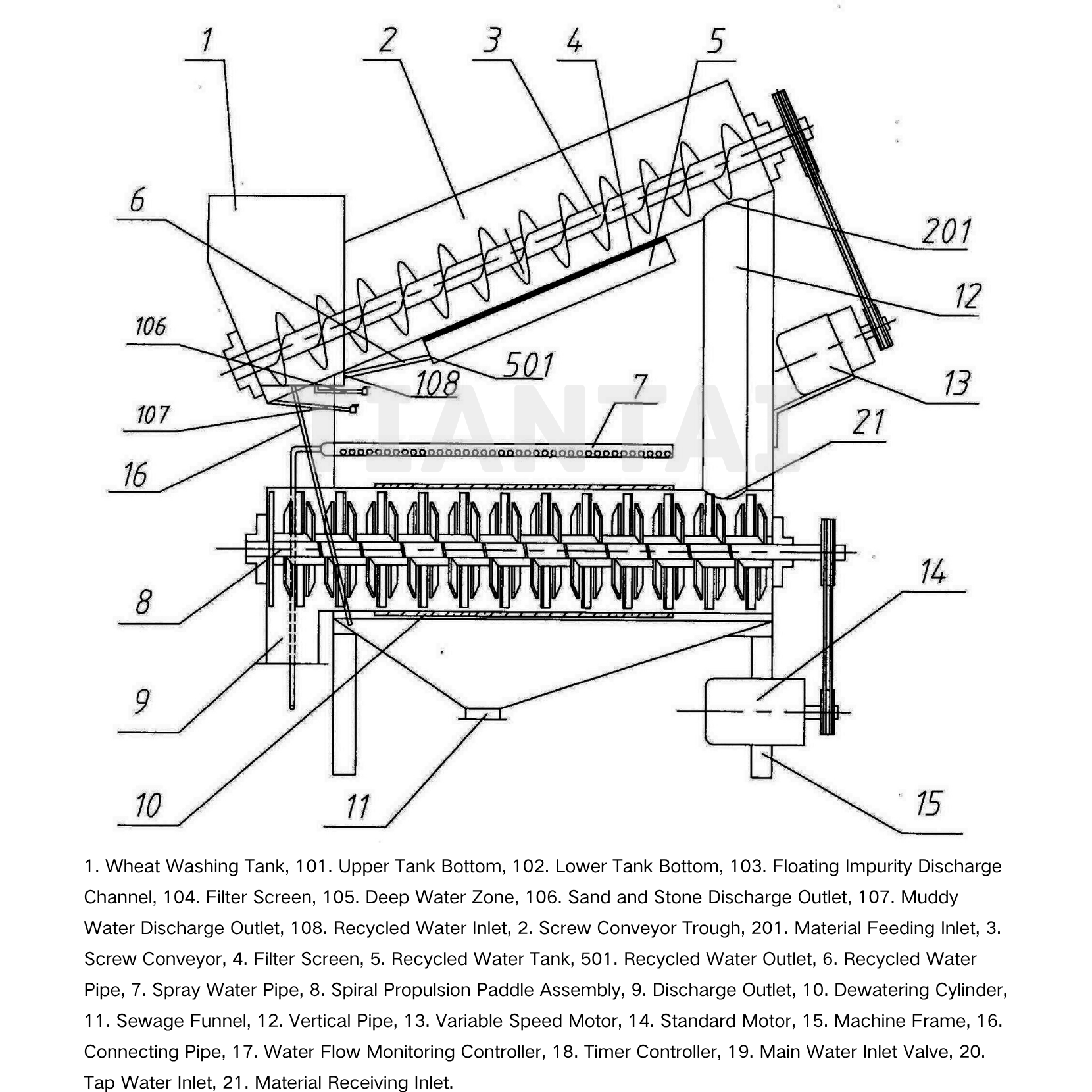
Aunque resulta eficaz en algunas aplicaciones de procesamiento de alimentos, por lo general no es adecuado para la preparación de la malta en la elaboración de cerveza antes de la molienda.
Entre las razones se encuentran:
- Aumento del contenido de humedad de la malta
- Requisitos adicionales de secado
- Posible impacto en las características de fresado
- Requisitos más complejos en materia de tratamiento de aguas
Es importante distinguir entre:
Molienda en húmedo en las fábricas de cerveza
y
Despedregado en húmedo en el procesamiento de cereales
Son procesos totalmente diferentes.
En las fábricas de cerveza que utilizan sistemas de molienda en húmedo, la malta se limpia y se deshuesa normalmente en primer lugar. El agua se añade posteriormente, durante la fase de molienda, para conseguir la textura deseada de la mezcla de malta.
Un proceso típico de elaboración de la malta es el siguiente:
Recepción de malta → Cribado → Aspiración → Separación magnética → Despedregado → Molienda → Maceración
Cómo diseña Tiantai los sistemas de limpieza de malta para cervecerías
Un sistema fiable de manipulación de malta en una fábrica de cerveza requiere algo más que una simple máquina despedregadora.
La configuración del equipo debe coincidir con:
- Capacidad de producción de la cervecería
- Requisitos de almacenamiento de la malta
- Nivel de automatización
- Método de fresado
- Planes de expansión futuros
Tiantai ofrece soluciones personalizadas para la manipulación de malta, que integran:
- Sistemas de transporte de malta
- Equipos de almacenamiento de malta
- Unidades de limpieza de malta
- Despedregadoras
- Separadores magnéticos
- Molinos de malta
- Sistemas de alimentación automatizados
En lugar de instalar un paquete de maquinaria estándar, Tiantai analiza el proceso completo de elaboración de cerveza para crear un sistema de preparación de malta que mejore la estabilidad operativa y proteja los equipos críticos.
Para las cervecerías que invierten en una nueva línea de producción, una limpieza adecuada de la malta antes de la molienda ayuda a reducir los costes de mantenimiento, a mejorar la uniformidad de la molienda y a lograr un proceso de elaboración de cerveza más fiable.
Conclusión: cómo elegir la despedregadora adecuada para el procesamiento de la malta en las fábricas de cerveza
En el ámbito de la elaboración de cerveza, la tecnología preferida para la eliminación de piedras por gravedad en seco es la de los despedregadores, especialmente los de succión.
Las razones principales son:
- No se introduce humedad adicional en la malta
- Eliminación eficaz de impurezas pesadas
- Protección de los equipos de molienda
- Fácil integración en sistemas automatizados de manipulación de malta
Un sistema de limpieza de malta bien diseñado es un elemento pequeño pero importante de la ingeniería cervecera. Al eliminar las piedras antes de la molienda, las fábricas de cerveza pueden lograr un funcionamiento más fluido, una mayor vida útil de los equipos y un rendimiento más constante en la elaboración de la cerveza.