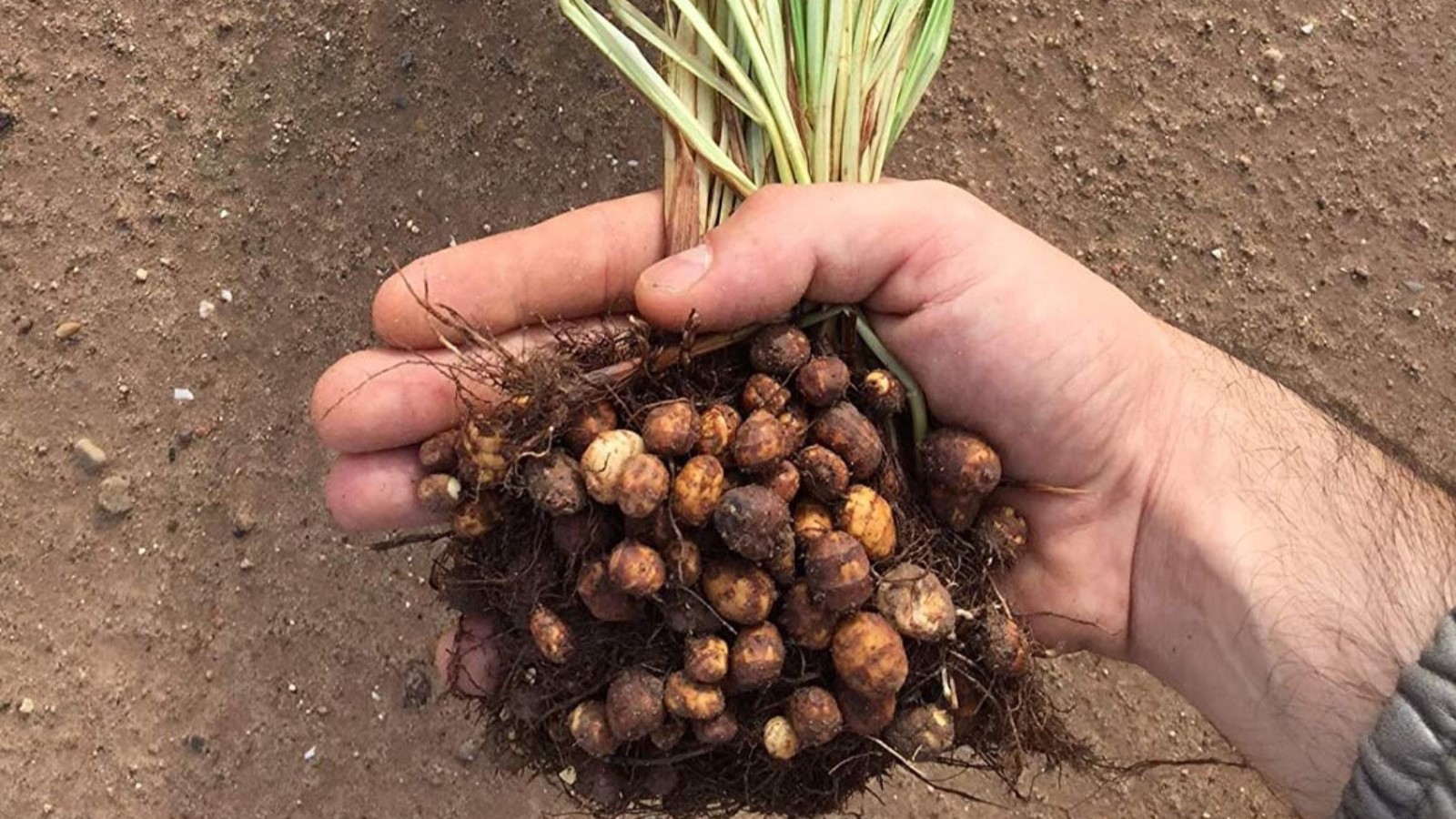
Tiger nut (Cyperus esculentus), also known as chufa, yellow nutsedge, earth almond, and other local names, is an annual herbaceous plant in the sedge family (Cyperaceae), genus Cyperus. The edible part is the underground tuber, which is oval or round in shape, with a yellow-brown skin and a white interior. It is rich in oil, starch, sugars, and protein. Native to the Mediterranean coast of Africa, tiger nut is drought-tolerant, resistant to poor soils, highly adaptable, and has a short growth cycle of about 90–120 days, making it suitable for sandy soils. At present, it has been cultivated on a commercial scale in Xinjiang, Inner Mongolia, Henan, Shandong, and Hebei in China, and is considered a highly promising cash crop. Recent research and market development show that tiger nut can be used not only for plant-based beverages but also for fermented drinks, vegetable oil, plant-based dairy alternatives, and brewing adjuncts, with varying levels of consumer recognition in Europe, Africa, and Latin America.
Core Products and Processing Routes
From a processing perspective, the greatest value of tiger nut lies not in a single finished food, but in its potential for product diversification. It can be processed into plant-based beverages, further fermented into functional drinks, pressed into tiger nut oil, reprocessed into plant-based dairy alternatives such as yogurt and ice cream, and used as a specialty adjunct in brewing and saccharification. Tiger nut is gradually evolving from a traditional crop into a multi-category industrial raw material.
Plant-Based Beverage Production Line
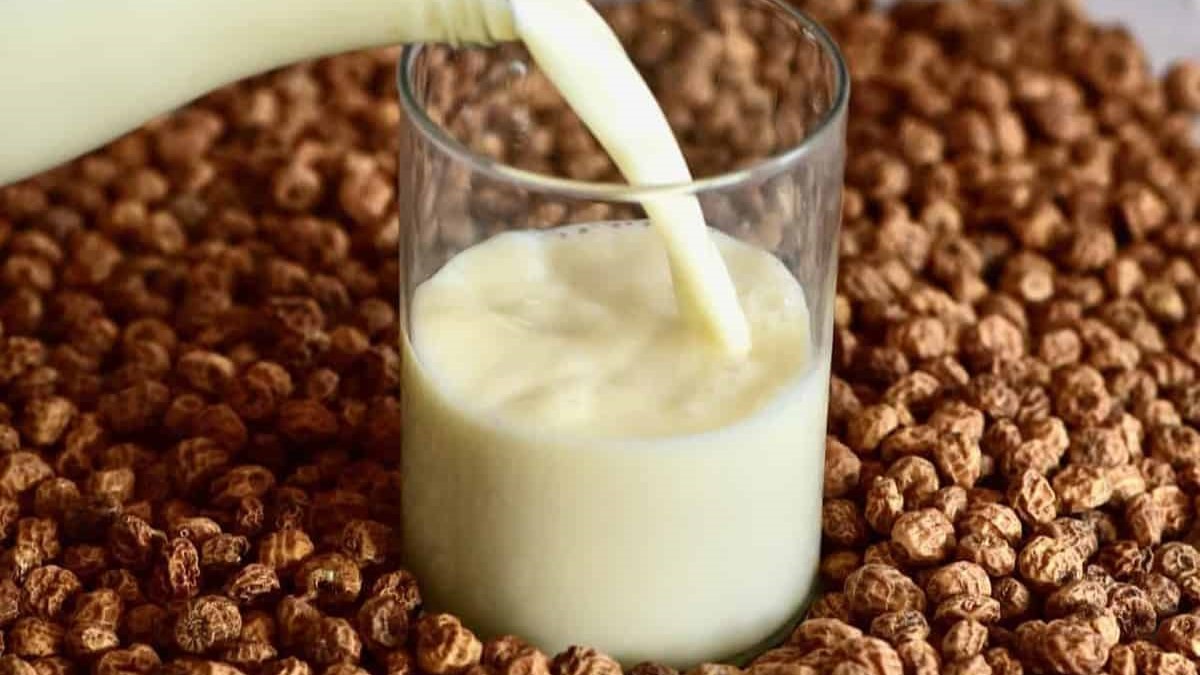
Typical products: horchata de chufa/tiger nut milk
This is the most mature and representative tiger nut product, with a stable consumer base in Spain and the wider Mediterranean region. It is also being incorporated into the global plant-based beverage market.
Basic process flow:
Cleaning → Soaking → Wet milling → Extraction → Separation → Blending → Homogenization → Sterilization → Filling
In process terms, tiger nut plant-based beverages follow a pre-treatment logic very similar to soy milk and oat milk: the raw material must be cleaned to remove impurities (since tiger nut is grown underground, its dirt content is usually higher than that of cereal grains), then softened by soaking, ground into slurry by wet milling, and subjected to solid-liquid separation.
The pre-treatment section typically includes a cleaning and sorting machine, soaking tank, and colloid mill or wet grinder. Tiger nut skins are relatively hard, so soaking time is generally longer than for soybeans, and the tank capacity should be designed with sufficient allowance. The separation section usually uses centrifugal separation or screening equipment. Because tiger nut slurry contains fine fiber particles, the mesh size and centrifugal speed must be properly matched; otherwise, sedimentation and phase separation may occur. The heat treatment section generally includes a homogenizer plus a UHT or pasteurization system. A homogenization pressure of around 20–40 MPa is recommended, and two-stage homogenization can significantly improve the dispersion stability of fat globules and protein particles. CIP systems are also essential, as cleaning dead zones in plant protein beverage lines are more pronounced than in dairy lines, especially in pipe elbows and tank tops, where 360° rotary spray balls and alkali/acid circulation tanks are recommended.
In industrial production, separation efficiency and sterilization stability directly determine product texture and shelf life, which is why these two factors are central to line design.
Fermented Beverage Production Line
Typical products: tiger nut (cyperus esculentus) wine /tiger nut fermented drink
Using the starch and sugar naturally present in tiger nut, the base material can serve as a substrate for lactic acid bacteria or yeast fermentation, making it suitable for the development of low-alcohol or functional beverages. Typical products include plant-based fermented drinks and functional beverages, which already have a certain application base in Europe and Africa.
Basic process flow:
Base material preparation → Standardization → Sterilization → Cooling → Inoculation → Controlled fermentation → Maturation → Filling
The process route generally involves first converting tiger nut into a base slurry, then standardizing the sugar content and total solids, followed by sterilization, cooling, inoculation with lactic acid bacteria or yeast, controlled fermentation, and finally maturation, cooling, and filling. If the product is positioned as a functional beverage, lightly fermented drink, or low-alcohol beverage, the equipment configuration is very similar to that of a plant-based milk fermentation line, mainly including blending tanks, sterilizers, heat exchangers, fermentation tanks, online pH and temperature monitoring systems, holding tanks, and filling equipment. The fermentation tank is the core of the entire line. The fermentation cycle for tiger nut base material is typically 24–72 hours, and the tank should be equipped with a dimple-jacket cooling system covering both the cone bottom and the straight wall. Temperature control accuracy is recommended to reach ±0.5°C; otherwise, fluctuations may lead to contamination or flavor deviation.
This product category is highly compatible with plant-based milk or fruit-and-vegetable fermented beverage lines, making it suitable for expansion of existing production facilities.
Vegetable Oil Production Line
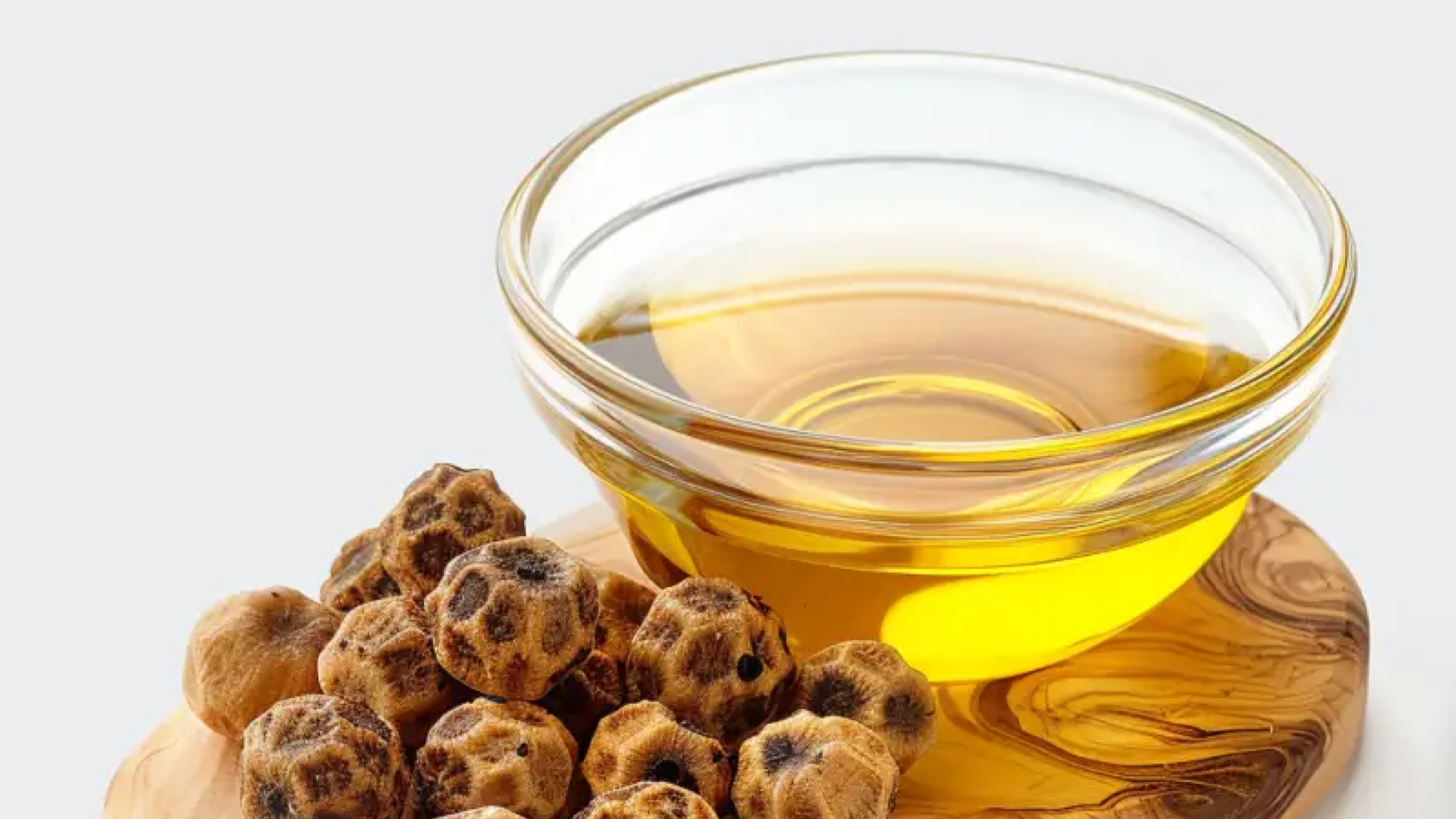
Typical products: tiger nut oil/chufa oil
Tiger nut has a relatively high oil content, which makes it suitable for the development of edible vegetable oil. Tiger nut oil is golden in color, clear and transparent, with a mild nutty aroma. Its fatty acid profile is similar to olive oil, with a high oleic acid content, a high smoke point, and good thermal stability, making it a high-quality edible oil. Relevant studies have focused on its extraction technology and stability, indicating that the product has moved beyond laboratory discussion and into industrial exploration.
Basic process flow:
Raw material cleaning → Crushing → Flaking → Steaming/conditioning → Pressing/Extraction → Crude oil refining → Residue separation → Filtration → Storage → Filling
The basic process typically includes cleaning, drying, and crushing or flaking the raw material, then obtaining crude oil through mechanical pressing or solvent extraction. The crude oil is subsequently clarified through sedimentation, centrifugation, and filtration before storage and filling. The associated equipment includes cleaning machines, dryers, crushers, flaking machines, screw presses, settling tanks, centrifuges, filtration units, oil storage tanks, and filling lines.
Brewing and Fermentation Raw Material Solution
Tiger nut is also suitable for brewing applications because of its high starch content. Defatted tiger nut flour has good brewing potential, and after fermentation, it can produce wort quality close to that of malt-based systems. However, it is more suitable as an adjunct rather than a full replacement for malt. As a brewing adjunct, it can contribute a distinctive flavor profile, but its relatively high fat content must be managed properly during processing.
Basic process flow:
Cleaning → Drying → Grinding → Defatting → Gelatinization/Saccharification → Fermentation → Post-processing
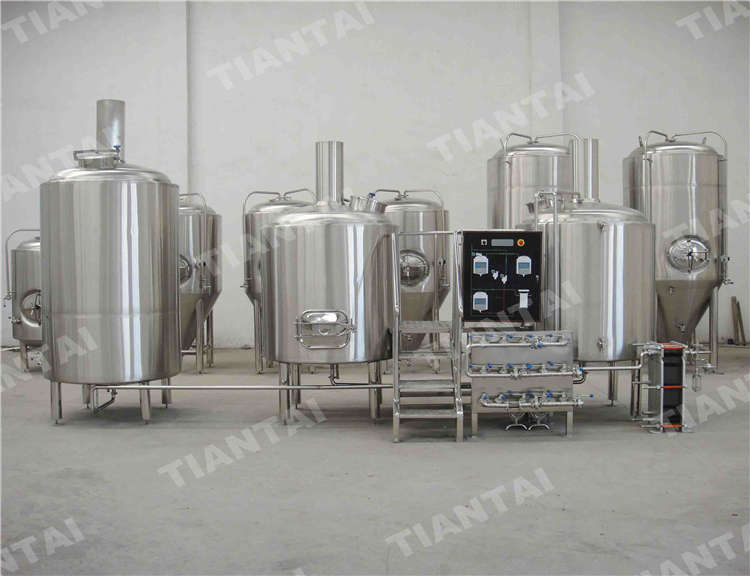
The process involves cleaning, drying, grinding, pre-defatting, and then gelatinization or saccharification, followed by joint saccharification with malt or exogenous enzymes. This is then followed by filtration, boiling, hopping, cooling, fermentation, and post-processing. The key prerequisite is fat reduction, otherwise foam stability, fermentation performance, and product flavor may be negatively affected. The production line equipment generally consists of cleaning machines, dryers, grinders, defatting units, mash kettles, saccharification kettles, filtration tuns, brew kettles, whirlpool tanks, plate heat exchangers, fermentation tanks, bright beer tanks, CIP systems, and filling systems.
In this type of production, front-end defatting and mash/saccharification system design are critical for stable operation.
An Integrated Production Line from Plant-Based Beverages to Fermentation and Brewing
- Strong potential for product diversification
- Compatible with both plant-based and fermentation growth segments
- Suitable for standardized, continuous production
- Easy to integrate with existing beverage or dairy equipment systems
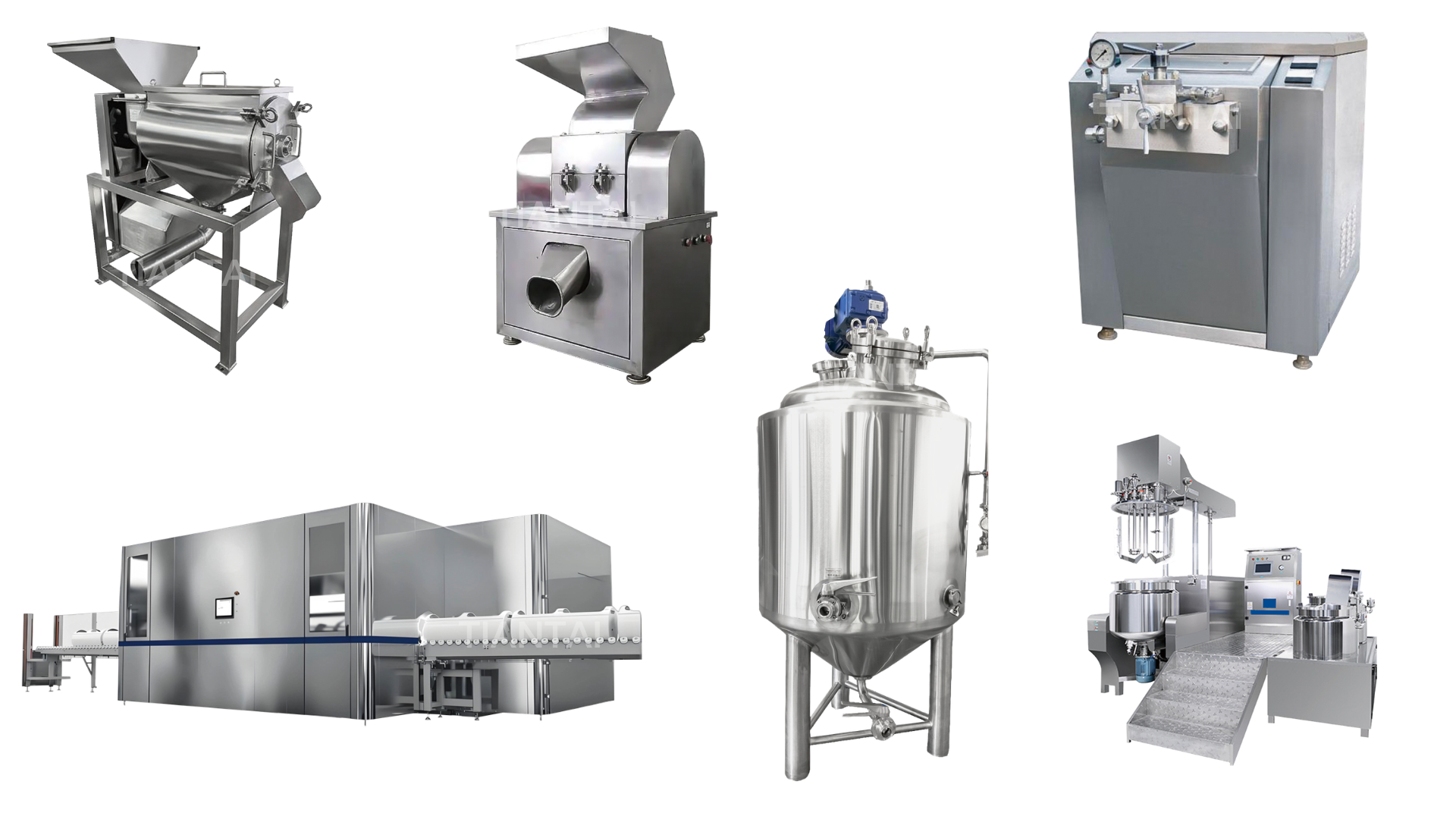
Tiger nut processing is not only about the raw material itself, but also about how to convert it into the corresponding finished product in a stable way. Whether the end product is a plant-based beverage, fermented drink, vegetable oil, plant-based dairy alternative, or brewing adjunct, each product has its own process route and equipment requirements. As a supplier of intelligent liquid food equipment, we focus on how to provide matching solutions for pre-treatment, fermentation, sterilization, separation, and filling according to your target product, so that the raw material can truly enter continuous, scalable production.
If you are planning a tiger nut processing project, we can provide corresponding equipment configuration recommendations and turnkey line solutions based on your target product, capacity requirements, and process route. For plant-based beverages, fermented drinks, or brewing applications, the stability of the front-end process often determines whether the product can be successfully brought into production. Once the product direction is defined, equipment selection becomes much clearer, and project implementation becomes easier to manage and more likely to achieve stable production results.