As the acceptance of fruit wines among younger consumers grows and “low-alcohol beverages” emerge as a favored choice, the market demand for high-quality, standardized wines has surged. This trend has directly accelerated the “transition from artisanal to standardized craftsmanship,” consequently elevating requirements for brewing equipment. Among all brewing apparatus, the scientific selection and parameter matching of stainless steel fermentation tanks critically determine the consistency of fruit wine flavor and the stability of product quality. Neglecting the adaptability of stainless steel fermentation tanks can lead fruit wine producers to experience significant flavor fluctuations, microbial contamination, and reduced shelf life. Data indicate that, due to improper fermentation tank selection, the flavor fluctuation coefficient for fruit wine enterprises can range from 12% to 15%.
In reality, for standardized fruit wine production, the core of selecting stainless steel fermentation tanks lies not in “high-end” features but in “adaptability.”
Production Scale Adaptability
Avoid “Over-Sized for Small Batches” or “Under-Sized for Large Batches”
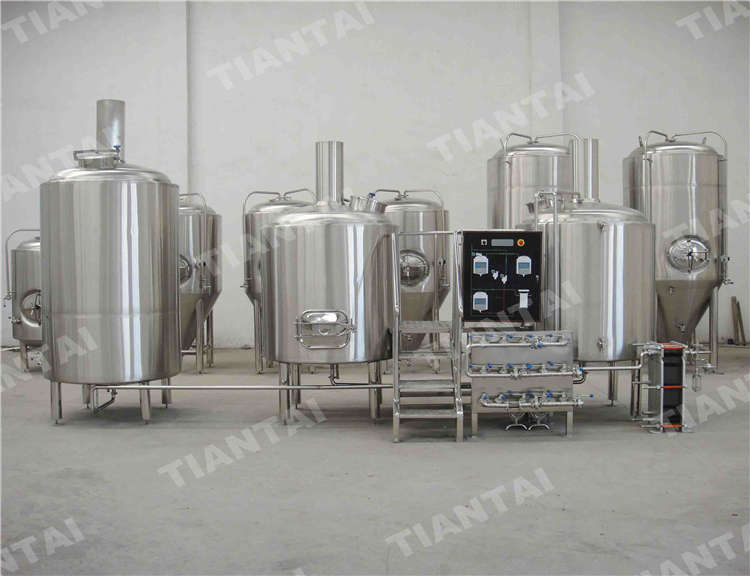
Fruit wine manufacturers of varying scales exhibit significant differences in their requirements for fermentation tank capacity and specifications. Selection necessitates precise alignment with daily processing volumes and production capacity plans to prevent cost wastage or production bottlenecks. Medium and small-sized fruit wine fermentation tanks balance flexibility and cost control, allowing for agile adjustment of fermentation batches based on order volume. Large-scale fruit wine fermentation tanks, integrated with brewery control systems, enable synchronized fermentation and batch control across multiple vessels, thereby helping fruit wine producers enhance fermentation efficiency.
It is important to note that the capacity of the fermentation tank should include a 10%-20% buffer to accommodate foam and expansion during fermentation, preventing overflow of the fermenting must.
Wine Category Adaptation
Targeted Solutions for Fermentation Challenges Across Different Fruits
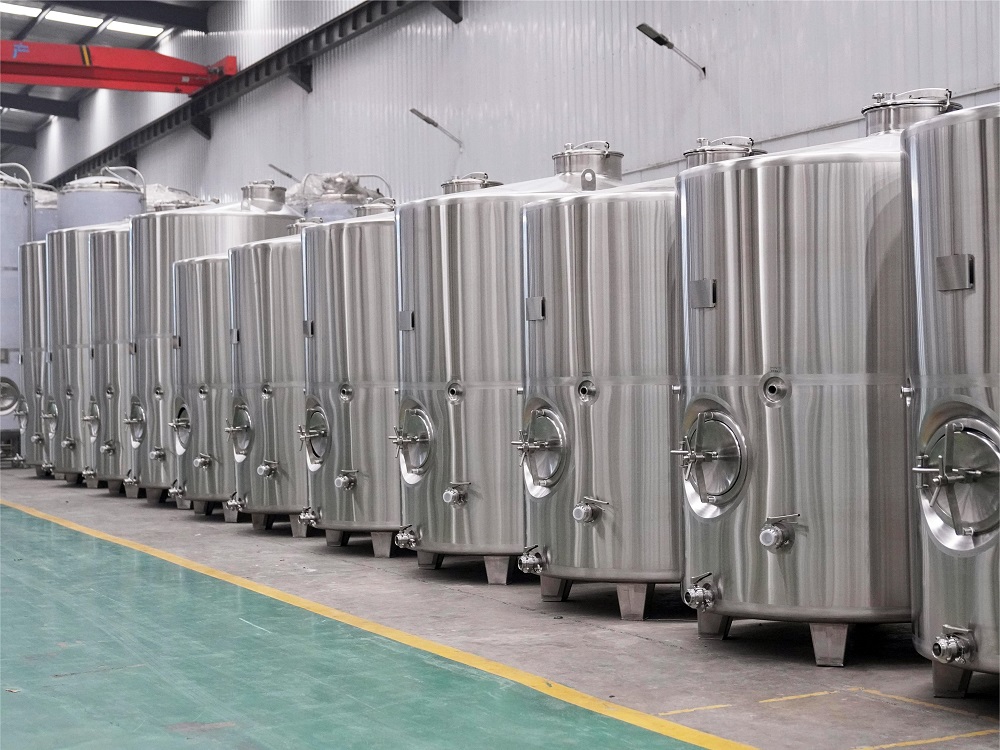
The physiological characteristics of various fruits vary significantly; for example, blueberries are high in acidity, apples are high in sugar, and figs are prone to spoilage. Consequently, the required fermentation processes and equipment differ considerably. When selecting equipment, it is crucial to consider your primary fruit wine category and specifically choose fermentation tank materials and functional configurations accordingly.
- High-Acidity Fruit Wines: Prioritize 316L food-grade stainless steel fermentation tanks. Their molybdenum content provides superior resistance to chloride ion corrosion, effectively preventing tank degradation by high-acid fruit juices and mitigating heavy metal leaching, thereby ensuring wine quality and safety. Additionally, an automatic pH control system is essential for precise acidity management during fermentation, preventing astringency in the fruit wine.
- High-Sugar Fruit Wines: 304 food-grade stainless steel fermentation tanks can be utilized, balancing corrosion resistance with cost-effectiveness. Furthermore, opt for fermentation tanks equipped with agitation systems to prevent sugar solution precipitation, ensure uniform fermentation, and minimize flavor fluctuations.
- Specialty Fruit Wines: Emphasis should be placed on the sealing performance and ease of cleaning of the fermentation tanks. Select hermetically sealed fermentation tanks equipped with CIP (Clean-In-Place) spray balls to enable thorough, in-situ cleaning without dead zones. This prevents microbial contamination and extends the shelf life of the fruit wine.
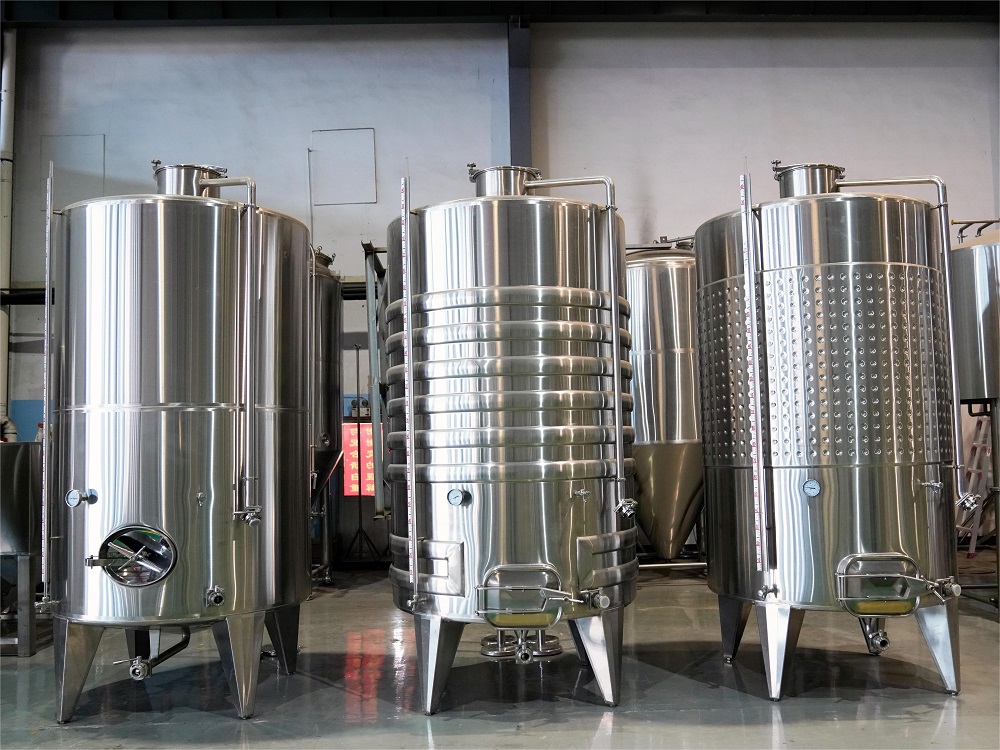
Wine Fermentation Container Guide
Many wine manufacturers fall into common traps when selecting stainless steel fermenters, leading to wasted capital investment, reduced production efficiency, and even compromised product quality.
Pitfall I: Blindly Pursuing Low-Cost Equipment, Neglecting Material and Craftsmanship.
To control costs, some companies opt for non-food-grade stainless steel fermenters. While the initial investment is lower, prolonged use can lead to corrosion and leakage. This not only degrades wine quality but can also result in penalties due to non-compliance, ultimately increasing long-term expenses.
Pitfall II: Overlooking After-Sales Support, Equipment Malfunctions Impacting Production.
Fermenters are long-term assets prone to eventual malfunctions. If the manufacturer’s after-sales service is slow to respond, it can lead to production line downtime and significant losses. During selection, prioritize manufacturers with after-sales response times of ≤24 hours, offering installation, commissioning, operational training, and maintenance services.
Pitfall III: Mismatched Equipment Functionality and Process, Over-Emphasis on Automation.
Some companies blindly select fully automated fermenters, but their small production scale and simple processes render the equipment’s advanced features idle, inflating capital costs. Conversely, some companies choose equipment with insufficient automation, requiring extensive manual monitoring. This increases labor costs and introduces human error, affecting quality consistency.
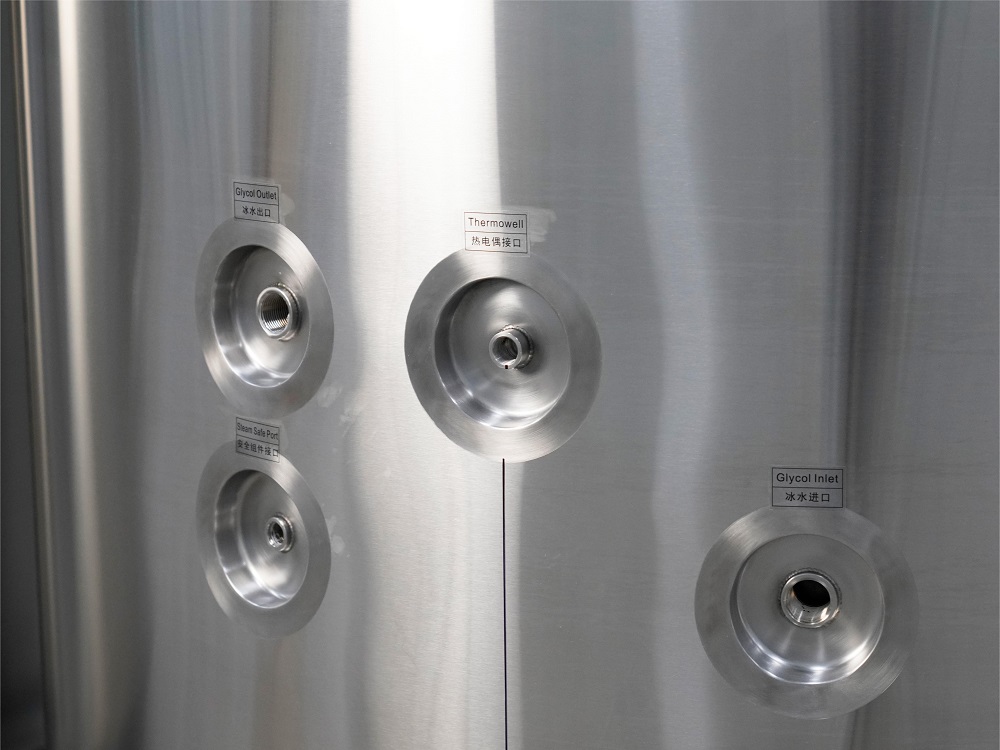
Selecting the right stainless steel fermenter enables fruit wine producers to achieve standardized and scaled production. Tiantai possesses expertise in designing and manufacturing wine fermenters. The company houses specialized departments for R&D, production, quality control, and after-sales service, supported by a technical R&D team led by senior engineers with years of experience in brewing tanks for the beverage industry. This allows for tailored solutions to meet the specific needs of standardized wine production. In terms of design capabilities, Tiantai can customize fermenter capacities and functional configurations based on a wine enterprise’s production scale and product characteristics, ensuring precise temperature control, excellent sealing performance, and ease of cleaning to accommodate diverse requirements.