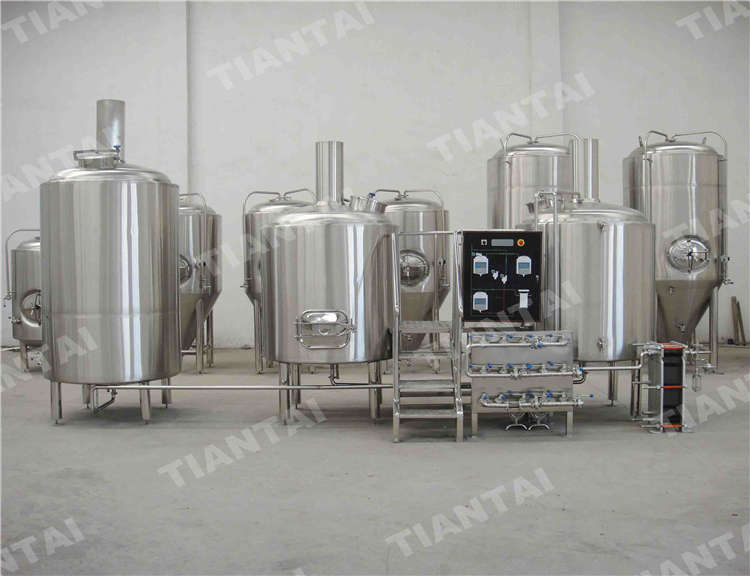
Fermentation is one of the most critical stages in the beer brewing process. It is during this phase that yeast converts sugars into alcohol and carbon dioxide, which plays a vital role in shaping the final product’s quality, flavor, and production efficiency. Among the many types of fermentation vessels available, single-wall tanks and jacketed tanks are two of the most common varieties. Each type has its own unique set of advantages and disadvantages, and the ultimate choice depends primarily on the brewer’s specific needs and the scale of their production operations. Tiantai is here to help you understand the differences between these two types of fermentation tanks and provide guidance to assist you in making an informed decision.
What is a Single-Wall Fermentation Tank?
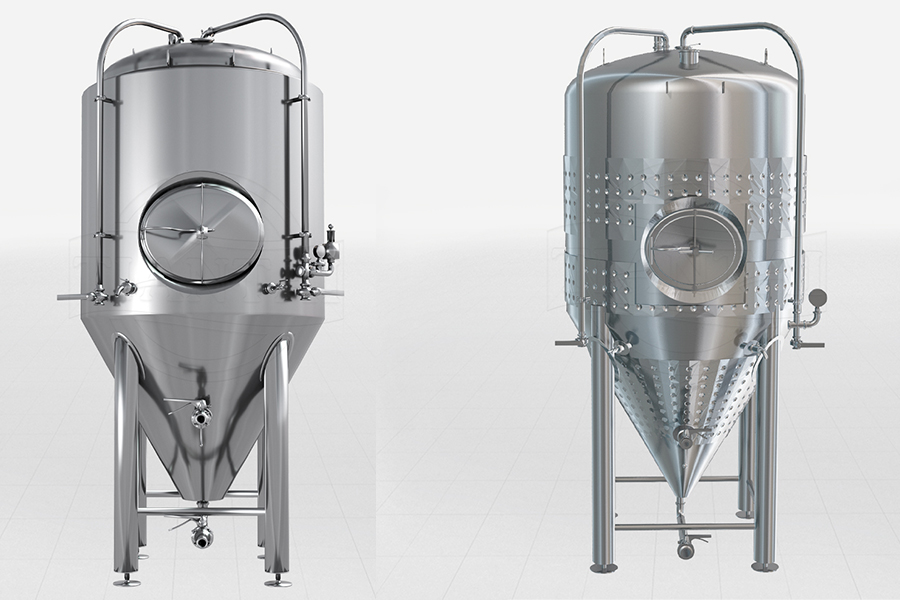
A single-wall fermentation tank consists of a single layer of stainless steel that forms the outer shell of the vessel. This type of tank features a simple, minimalist design. Due to its straightforward structure and lower cost, it is commonly used in small-scale breweries or for homebrewing purposes.
Key Features:
Material: Constructed from stainless steel, offering durability, ease of cleaning, and corrosion resistance.
Thermal Insulation: These tanks do not incorporate insulating layers, meaning that the internal temperature regulation relies entirely on the ambient temperature of the brewing environment.
Cost: Compared to jacketed fermentation tanks, single-wall tanks are typically more economically affordable due to the absence of advanced features like integrated temperature control systems.
Advantages:
Lower Initial Cost: Due to the simpler design, which does not require additional insulation or cooling systems, single-wall tanks are more affordable. This makes them an ideal choice for small-scale brewers or homebrewing enthusiasts on a budget.
Simplicity: The design is intuitive and easy to maintain. With fewer components, the likelihood of mechanical failure is reduced, making single-wall tanks practical for beginners or brewers who prefer a straightforward system.
Suitability for Small-Scale Brewing: These tanks are well-suited for small-batch brewing, particularly in environments where the ambient temperature remains relatively stable with minimal fluctuation.
Limitations:
Lack of Temperature Control: The absence of insulation or a cooling system makes single-wall tanks highly susceptible to fluctuations in ambient temperature, which can compromise fermentation quality. Often, brewers must rely on external solutions,such as air conditioning or dedicated fermentation rooms,to maintain the appropriate fermentation temperature.
Slower Fermentation Rates: Unstable temperatures can cause yeast activity to fluctuate, leading to slower or uneven fermentation, which in turn results in unpredictable product quality.
What is a Jacketed Fermenter?
A jacketed fermenter features a double-wall design, wherein the inner fermentation chamber is surrounded by an outer jacket. The space between the inner and outer walls is typically filled with a cooling medium (such as glycol or water), allowing brewers to exercise precise temperature control throughout the fermentation process.
Key Features:
Double-Wall Design: The fermentation chamber is encased in an outer jacket that contains cooling or heating media, facilitating temperature regulation.
Temperature Control: The jacketed design allows for precise temperature management via external refrigeration or heating systems, ensuring a more stable and controllable fermentation environment.
Material: Like single-wall fermenters, jacketed fermenters are typically constructed from stainless steel for durability and corrosion resistance.
Advantages:
Precise Temperature Control: The primary advantage of a jacketed fermenter is its ability to maintain a stable and controlled temperature. This is crucial for optimizing yeast activity and ensuring consistency throughout the fermentation process. Brewers can adjust the temperature to meet the specific requirements of different beer styles, ensuring a higher level of control over the final product’s flavor and quality.
Faster and More Stable Fermentation: Precise temperature control allows jacketed fermenters to speed up the fermentation process while improving consistency.
Versatility: Jacketed fermenters are ideal for brewing a variety of beer styles. Whether brewing Lagers, which require cold fermentation, or Ales, which thrive at slightly warmer temperatures, jacketed fermenters offer the flexibility to meet the specific process requirements for each beer style.
Limitations:
Higher Initial Cost: Due to their more complex design and the addition of extra components, jacketed fermenters typically have a higher upfront cost compared to single-wall fermenters.
Increased Maintenance: The internal cooling system within a jacketed fermenter requires regular maintenance to ensure proper operation. If the cooling system fails, it can disrupt the fermentation process and negatively affect beer quality.
How to Choose Between a Single-Wall and a Jacketed Fermenter?
Choosing the right fermenter involves assessing several factors, including your brewing scale, budgetary constraints, and the types of beer you intend to brew. Below are some guidelines to help you decide which option is best suited for your brewery:
Brewing Scale
Small-Scale Brewing: For homebrewers or small-scale craft breweries with limited production, a single-wall fermenter is typically sufficient. These fermenters offer excellent value for money and perform well in environments where ambient temperatures are stable and manageable.
Large-Scale Brewing: For larger breweries producing high volumes of beer or requiring greater consistency in product quality, a jacketed fermenter is the superior choice. The ability to precisely control temperature is vital for large-scale brewing processes, ensuring greater efficiency and more predictable results.
Temperature Control Requirements
If your brewing environment maintains a relatively constant, cool temperature, a single-wall fermenter may be adequate. However, if you operate in an environment with significant temperature fluctuations, a jacketed fermenter offers superior temperature regulation, ensuring a more stable and consistent fermentation process.
Budgetary Considerations
Limited Budget: If cost is a primary concern, a single-wall fermenter provides a highly cost-effective solution. For users who do not need advanced temperature control, this is an excellent choice.
Larger Budget: If you have a more substantial budget and require precise control over fermentation to enhance beer quality, a jacketed fermenter is a wise investment. Despite the higher initial costs, the benefits of faster, more stable fermentation and improved product quality make this a valuable investment.
Beer StylesSingle-Style Brewing:
If your brewery focuses on a limited range of beer styles that ferment well at ambient temperatures, then a single-wall fermenter is sufficient for your needs.
Diverse Styles: If you brew a wide variety of beer styles, such as Lagers and Ales—each requiring different fermentation temperatures—a jacketed fermenter offers the flexibility needed to accommodate various brewing processes.
By considering the factors outlined above, you can make a more informed decision about which fermentation tank is best for your brewery. Tiantai is here to assist you in selecting the right fermenter based on your specific requirements. If you have any questions or need further assistance, please don’t hesitate to contact us.