The growing popularity of craft beer in India has laid a solid foundation for a thriving microbrewery industry. With evolving consumer preferences and a growing demand for quality, diverse beer experiences, more and more entrepreneurs are entering the market to start microbrewery businesses. If you dream of brewing your own beer and serving it fresh to your customers, understanding the current state of the industry is the first step to a successful business.
What is a Craft Brewery?
A microbrewery is a micro brewery with a production volume far lower than that of large commercial breweries. Unlike pursuing large-scale production and low costs, microbrewery focuses more on quality, unique flavors, and craftsmanship. Many microbrewery also have in-house tasting rooms where customers can enjoy freshly brewed beer in a relaxed and comfortable atmosphere.
In India, beer culture has gone far beyond the ordinary lagers commonly found in bars and parties. Today, consumers increasingly favor craft beers such as IPA, stouts, and wheat beers, appreciating their complex flavors and unique characteristics.
This shift in consumer behavior is also reflected in market growth. The Indian beer market is projected to reach $17.64 billion in revenue by 2029, with a total annual growth rate of approximately 22.1% over five years and a compound annual growth rate of approximately 4.1%.
Typically, Indian microbreweries produce less than 1,000 hectoliters annually, primarily targeting consumers who value flavor, creativity, and brewing techniques rather than mass-market brands. To succeed in this industry, aspiring brewers must understand brewing processes, fermentation techniques, ingredient sourcing, and regulatory compliance.
Why Start a Microbrewery in India?
The Indian beer market is undergoing a significant transformation, primarily driven by urban millennials and Gen Z consumers actively seeking premium and experiential drinking options. As a result, craft beer is rapidly gaining popularity in cities like Bangalore, Delhi, Mumbai, and Pune.
Here are some key reasons to start a microbrewery in India:
Growing Demand: Craft beer consumption is surging in cities like Bangalore, Delhi, Mumbai, and Pune, with consumers increasingly willing to try new flavors and brewing styles.
Cultural Shift: Today’s consumers are looking for more than just beverages; they crave memorable dining and social experiences. micro breweries perfectly blend craft beer with lifestyle and hospitality.
Huge Profit Potential: With the right branding, product quality, and marketing strategies, micro breweries can build a loyal customer base and generate substantial long-term revenue.
Industry reports further confirm this trend. According to IMARC, the Indian craft beer market is projected to grow at a CAGR of 23.20% between 2024 and 2032, reflecting the growing demand for high-quality, small-batch beers.
A Guide to Starting a Successful Craft Brewery in India
Conduct Market Research
Before starting a craft brewery, conducting comprehensive market research is crucial. Analyze local beer consumption patterns, research competitors, understand pricing models, and identify current market trends. Consumer preferences for beer styles can vary by region. For example, wheat beers are generally more popular in urban markets, while strong ales are favored by niche groups. Understanding your target market will help you effectively position your brewery and develop products that meet customer preferences.
Obtain Licenses and Permits
Obtaining the necessary licenses is one of the most important steps in setting up a craft brewery in India. Requirements vary from state to state, so understanding local regulations is essential.
Key licenses and registrations typically include:
Craft Beer Production License
Food Safety Standards Authority of India (FSSAI) Registration
Goods and Services Tax (GST) Registration for Tax Compliance
State-Specific GST and Operating Licenses
Since alcohol regulations can be complex, working with a legal or food service advisor can streamline the licensing process and ensure compliance.
Understanding Investment and Cost Structure
Starting a micro brewery requires significant initial investment. Costs depend on factors such as location, production scale, and brand positioning, and the total investment can vary depending on the brewery’s size and concept.
Typical investment areas include:
Brewing equipment and fermentation systems
Licenses and permits
Rent and interior decoration
Staffing and operating expenses
Marketing and branding activities
Choosing the Right Location
Location is crucial to the success of a micro brewery. Ideally, the brewery should be located in an area with high foot traffic and a customer base that appreciates craft beer culture.
Important factors to consider include:
A clean water supply
Compliance with zoning and licensing regulations
Proximity to business centers or IT parks
Sufficient brewing, storage, and dining space. Cities like Bangalore, Pune, Gurgaon, and Hyderabad are mature craft beer markets; however, secondary cities are emerging as potential markets for craft brewery development in India.
Investing in High-Quality Brewing Equipment
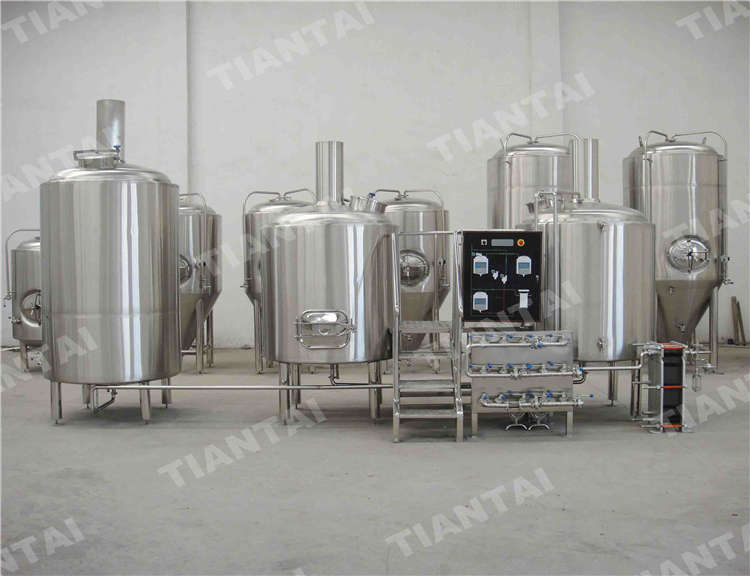
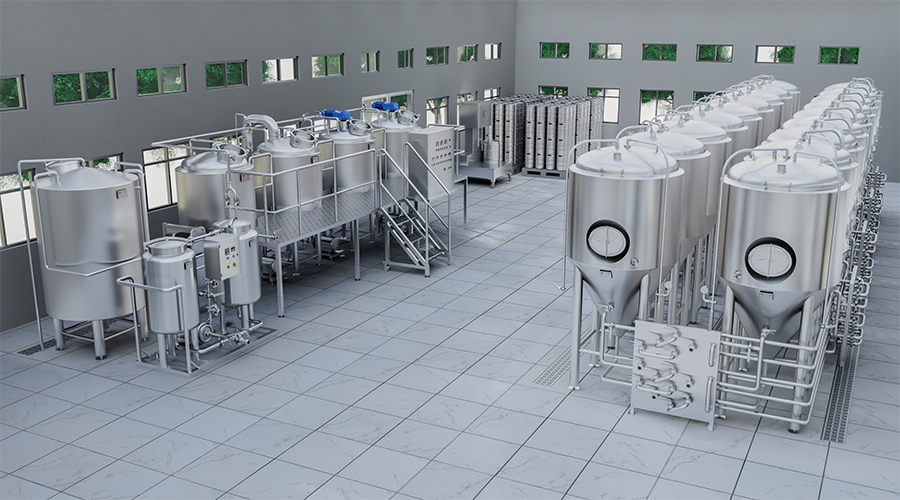
A well-equipped brewery is key to producing consistently high-quality beer. Basic brewing equipment typically includes: Brewhouse equipment, Fermentation equipment, Cooling equipment, Filtration equipment, and Bottling equipment.
Investing in reliable machinery helps reduce maintenance costs, minimize downtime, and support scalable production while meeting food safety standards.
Develop a Unique Beer Recipe and Menu
Developing unique beer flavors helps your brewery stand out in a competitive market. Adapting recipes to local tastes and introducing innovative flavors—such as mango IPA or chili wheat beer—can attract customers seeking new experiences.
Working with experienced brewers helps refine recipes and maintain the quality of different beer styles, including IPA, lager, stout, and ale. A well-designed beer and food menu, along with pairing suggestions and seasonal specials, can further enhance the customer experience and encourage repeat business.
Assemble the Right Team
A successful craft brewery relies on a highly skilled and knowledgeable team. Key roles include:
A brewer or master brewer responsible for beer production
Trained service staff capable of guiding customers through different beer styles
Marketing professionals capable of effectively promoting the brand
A strong team helps maintain product quality while providing an engaging customer experience.
Emphasize Marketing and Brand Building
Building a strong brand image is crucial for attracting and retaining customers. Effective marketing strategies include:
Social Media Marketing: Sharing behind-the-scenes glimpses, the brewing process, and upcoming beers to attract customers and build brand authenticity.
Events and Tastings: Organizing beer tasting events and participating in local food festivals to introduce your product to customers and increase brand awareness.
Membership Programs: Offering rewards, discounts, or exclusive experiences to encourage repeat business and enhance customer loyalty.
Starting a Craft Brewery,the Indian market offers tremendous opportunities for entrepreneurs passionate about craft beer. Successfully entering this booming market is possible through thorough market research, obtaining the appropriate licenses, acquiring quality equipment, developing innovative products, and conducting effective brand promotion. If you’re ready to turn your brewing dreams into reality, now is the perfect time to start a micro brewery in India. Contact Tiantai for customized solutions.