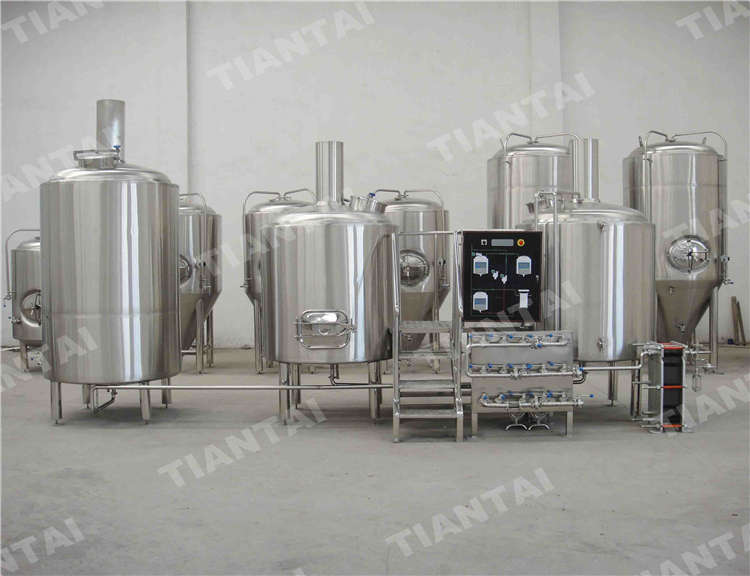
Compressed air is convenient, but producing it is not cheap. Every time a compressor runs, it consumes electricity, and unnecessary air consumption directly increases operating costs.
As discussed in our previous article on brewery compressed air systems, compressed air is used throughout beer production, from pneumatic valve control to packaging equipment. However, the actual air demand of a brewery is often higher than necessary because of leaks, excessive pressure, inefficient equipment, and poor operating habits.
For breweries looking to reduce utility costs, improving the existing compressed air system is often a worthwhile place to start.
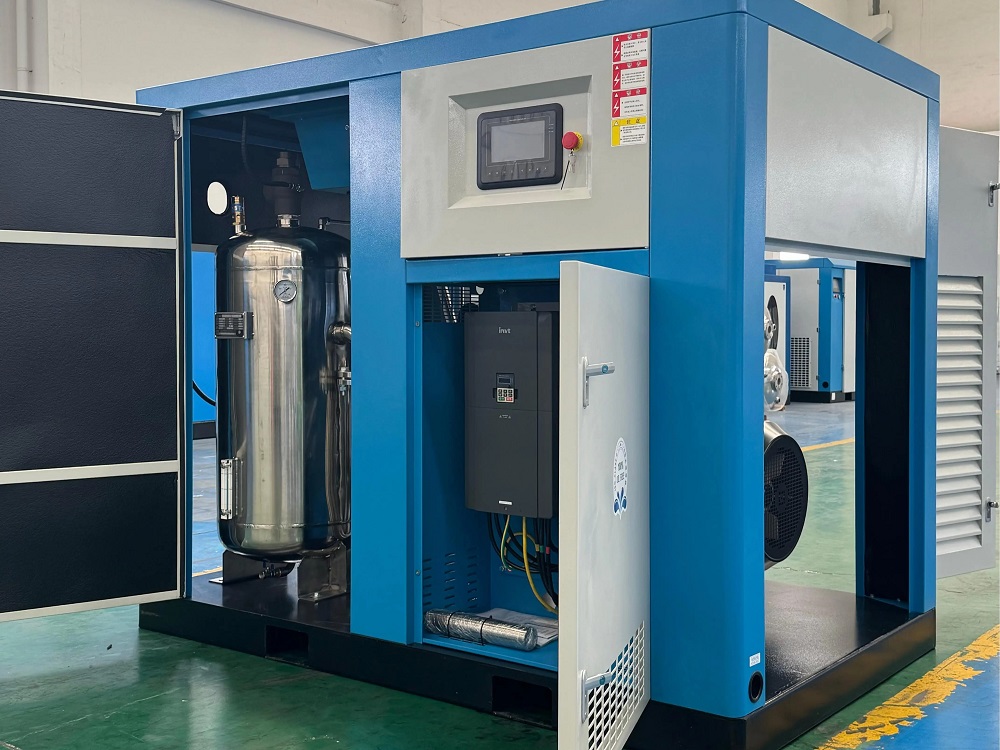
Find and Repair Compressed Air Leaks
Air leakage is one of the most common sources of energy waste in industrial compressed air systems.
Leaks frequently occur around pipe connections, couplings, hoses, valves, seals, and drainage points. Individually, a small leak may seem insignificant, but multiple leaks across a production facility can create substantial air losses.
The problem goes beyond electricity consumption. As leakage increases, system pressure may fall, making pneumatic equipment less reliable. Operators may then increase compressor pressure or run additional compressors to compensate.
This creates an unnecessary cycle of higher energy consumption.
A practical leak inspection should cover:
- Pipe joints and connections.
- Flexible hoses and quick couplings.
- Pneumatic valves and actuators.
- Air receiver connections.
- Drain valves and condensate traps.
- Equipment connections in packaging and production areas.
Inspections are often easier when production is stopped because background machinery noise is reduced.
For difficult-to-find leaks, an ultrasonic leak detector can help locate escaping air. Once identified, leaks should be marked, recorded, and repaired.
Regular inspections are more effective than waiting until a noticeable pressure problem develops.
Avoid Generating More Pressure Than Necessary
Higher compressed air pressure requires more electricity.
However, some breweries operate their entire compressed air network at a higher pressure simply because one or two applications require it.
This creates artificial demand: equipment and leaks consume more air than they would under a lower operating pressure.
The solution is to review the requirements of individual air users and determine whether the compressor discharge pressure can be reduced.
Before making adjustments, check the pressure at the most demanding points of use. Consider pressure losses across filters, dryers, piping, valves, and other components.
If one application requires significantly higher pressure than the rest of the brewery, a separate supply arrangement may be more economical than increasing pressure throughout the entire system.
Pressure adjustments should always be gradual and verified under peak production conditions to avoid affecting equipment performance.
Stop Using Compressed Air for Unnecessary Applications
Not every task that can be performed with compressed air should use it.
Some applications consume large amounts of air without providing any real advantage.
For example, using compressed air to blow dust or debris off floors, machinery, and work surfaces is generally wasteful. It can also create safety and hygiene problems by dispersing dust into the surrounding environment.
Using compressed air for cooling is another inefficient practice when a fan, blower, or suitable mechanical cooling arrangement can do the job.
Whenever possible, consider alternatives such as:
- Industrial vacuum cleaners for dust collection.
- Brushes or mechanical cleaning equipment.
- Dedicated fans or blowers for air movement.
- Properly designed material handling systems.
Compressed air should be reserved for applications where its controlled movement, pressure, or pneumatic actuation provides a genuine process advantage.
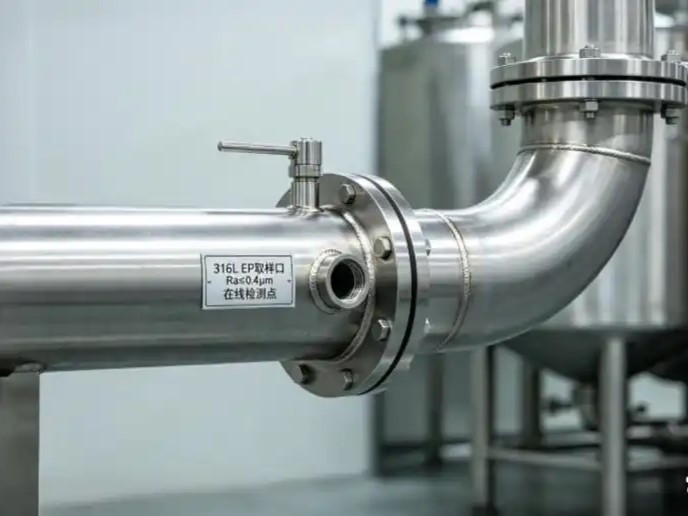
Check Condensate Drainage and Air Treatment Equipment
When air is compressed, moisture in the intake air becomes more concentrated. Air dryers and moisture separators remove water before the compressed air reaches sensitive equipment.
However, condensate drainage systems can become another source of air loss.
Traditional drain valves sometimes remain partially open, allowing compressed air to escape continuously along with collected water.
Automatic condensate drains can help prevent this problem by releasing accumulated water without unnecessarily discharging compressed air.
Breweries should also inspect air dryers, filters, and moisture separators regularly.
Blocked filters and poorly maintained treatment equipment can create additional pressure losses. This may force the compressor to operate at a higher discharge pressure to maintain sufficient pressure at the end users.
Proper drainage and routine air treatment maintenance help protect downstream pneumatic equipment while keeping energy losses under control.
Match Compressor Operation to Actual Demand
A brewery’s compressed air demand changes throughout the production day.
Packaging equipment may operate intermittently, while pneumatic valves and other control equipment may require a more consistent air supply.
If several compressors operate at the same time without proper sequencing, some units may spend considerable time running inefficiently at partial load.
A better approach is to coordinate compressor operation according to actual demand.
Depending on the system, improvements may include:
- Automatic sequencing of multiple compressors.
- Shutting down unnecessary compressors during low-demand periods.
- Using suitable capacity control to match air supply with consumption.
- Installing an appropriately sized air receiver to handle short-term demand peaks.
- Isolating production areas that are not operating.
For example, compressed air supplies to packaging equipment may be isolated when a packaging line is not in use, provided that other equipment in the same area does not require air.
During weekends and planned production shutdowns, compressor operation should also be reviewed. If only instrument air or a small number of control devices require supply, running the entire compressed air plant may be unnecessary.
Carry Out a Complete Compressed Air System Audit
Improving compressed air efficiency requires looking at the entire system rather than replacing individual components without understanding the underlying problems.
A practical assessment should cover five areas:
Air generation: Check compressor capacity, electricity consumption, operating hours, and load conditions.
Air treatment: Inspect dryers, filters, separators, and condensate drainage equipment.
Air distribution: Review pipe dimensions, pressure losses, connections, and the condition of the distribution network.
Air control: Check pressure settings, compressor sequencing, and the management of peak demand.
End-use applications: Identify unnecessary air consumption, inefficient applications, and equipment that operates when production is stopped.
Where possible, record airflow, pressure, and compressor electricity consumption before making changes.
After improvements, compare the new operating data with the original measurements. This helps determine whether the changes have reduced energy consumption without affecting production.
Conclusion
Compressed air savings do not always require purchasing a new compressor. In many breweries, a considerable amount of electricity can be wasted through leaking connections, excessive working pressure, unnecessary applications, and poor compressor control.
Identifying these problems and improving the way compressed air is generated, distributed, and used can help reduce operating costs and improve production reliability.
For breweries planning a new facility, they should also consider these issues during initial utility system design. A properly sized compressor, suitable air treatment, well-designed piping, and accessible maintenance points provide a much better starting point for efficient long-term operation.
Whether building a new brewery or improving an existing production facility, compressed air management should be treated as an important part of overall brewery energy management.
Compressed Air Efficiency in Brewery Equipment Planning
Compressed air efficiency should be considered not only during daily operation but also when selecting and configuring brewery equipment.
For breweries planning production expansion or upgrading existing facilities, reviewing pneumatic equipment requirements can help identify unnecessary air consumption and avoid installing oversized compressed air systems.
Tiantai, a brewery equipment manufacturer and turnkey brewery project delivery provider, supplies integrated brewing solutions covering brewhouses, fermentation systems, CIP equipment, and packaging lines.
When planning a new brewery or expanding production capacity, compressed air demand and supporting utility arrangements should be evaluated alongside the main process equipment. This helps create a more coordinated production layout and provides a better foundation for long-term operating efficiency.
Contact Tiantai to discuss your brewery project requirements and equipment configuration.