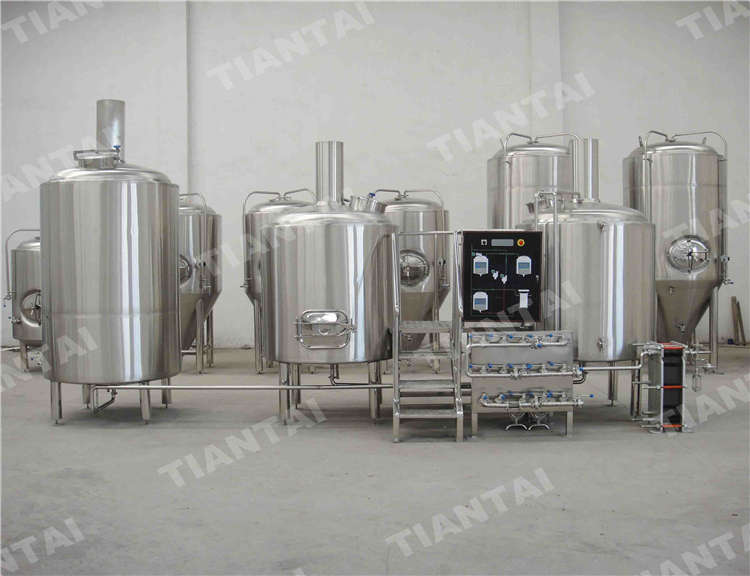
When discussing craft beer quality, most brewers first think of premium malt, brewing-grade water, carefully selected yeast and hops. Raw materials are undoubtedly critical, yet fermentation stands out as another core process defining final beer quality. The accuracy of fermentation temperature control largely relies on the engineering and fabrication quality of the fermenter itself.
Temperature Gradients Inside the Fermenter
A conical fermenter features a wide upper cylinder tapering down to a conical bottom. This geometry facilitates gas exchange and improves fermentation homogeneity. However, fermentation is an exothermic reaction. Yeast metabolism generates substantial heat, creating uneven thermal distribution within the vessel. Noticeable temperature differences exist between the tank wall and the core liquid, as well as between the top headspace and the conical bottom.
Relying on only one temperature probe and a single cooling circuit to represent the whole-tank condition creates a common risk: the temperature at the measured point may be on target while other zones run too warm. This inconsistency disrupts the stable formation of flavor compounds.
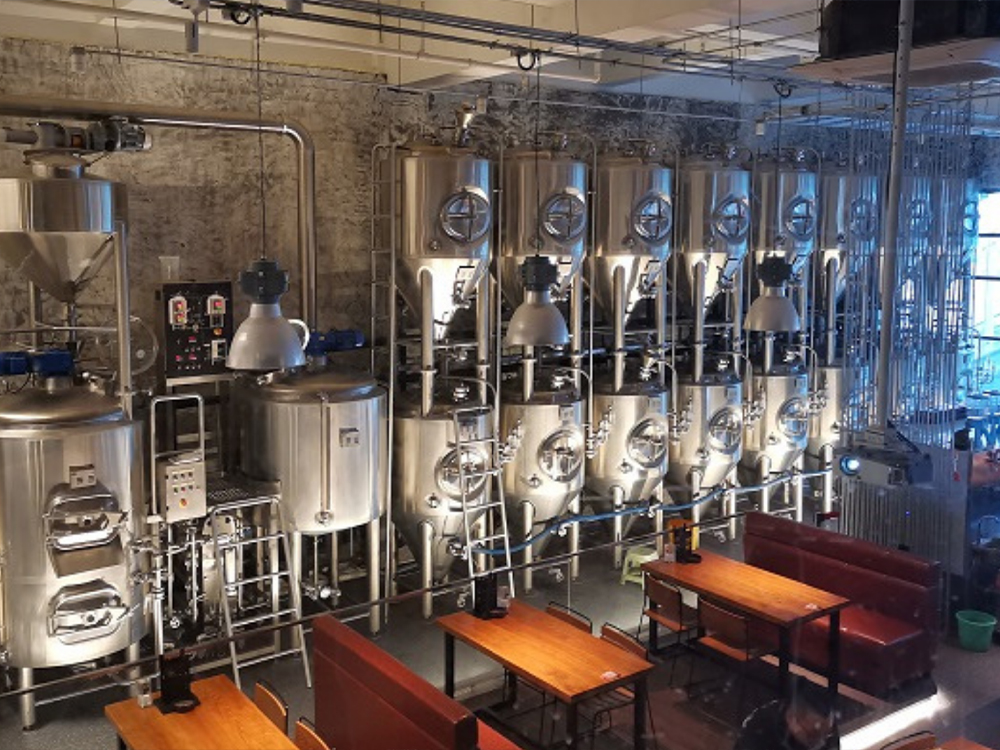
That is why modern fermenters adopt multi-point temperature sensing and zoned cooling. Sensors mounted at different elevations collect real-time temperature data. Signals are processed by the PLC system with dedicated control algorithms to modulate solenoid valves for individual cooling zones, delivering zoned, high-precision temperature regulation.
Temperature Control System of the Fermenter
Sensor Layout
In standard configurations, temperature sensors A, B and C are installed at distinct vertical positions on the conical fermenter. Sensor locations are carefully selected to accurately reflect the actual thermal condition of each liquid layer. Some designs incorporate redundant sensors at the same elevation to enhance measurement reliability.
Cooling Jacket Design
The fermenter is equipped with 2 to 3 independent cooling jackets, each regulated by a separate solenoid valve. If one zone deviates from the setpoint, only the corresponding cooling section activates, rather than cooling the entire tank uniformly. This is the core principle of refined temperature management.
Temperature sensors feed precise analog signals to input modules. The controller compares measured values against set parameters, executes internal calculations and outputs commands to electric or pneumatic control valves. Cooling medium flow is adjusted by valve stroke to maintain tight temperature control.
PLC Control
PLC-based control delivers proven advantages: superior control accuracy and stability, higher production efficiency, consistent product quality, cost-effectiveness and robust long-term performance.
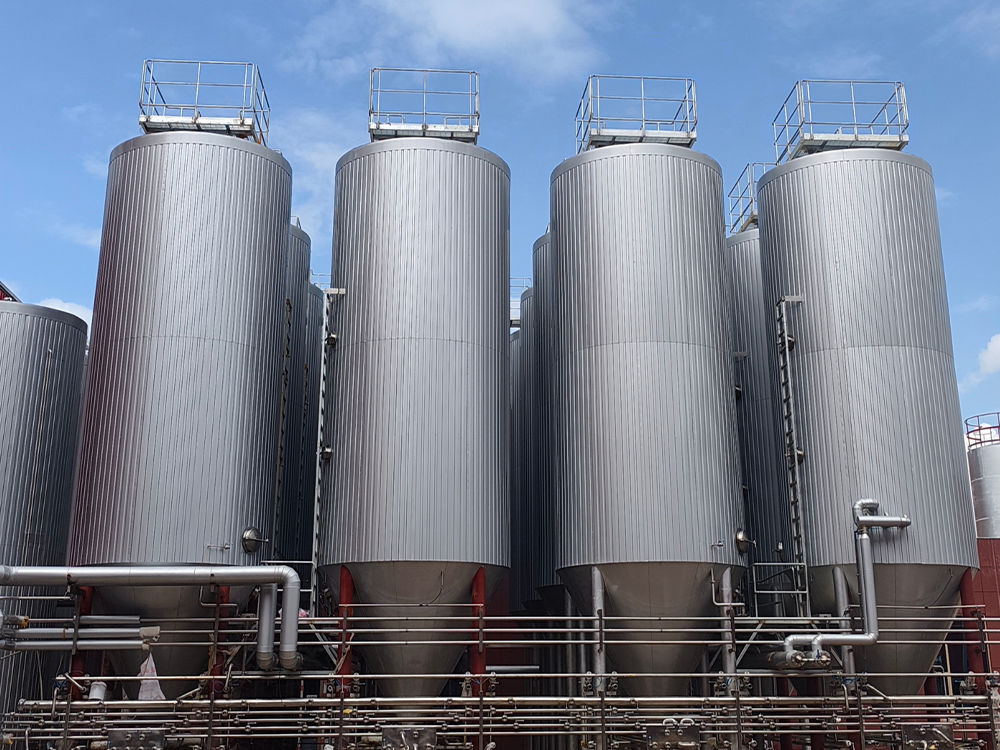
Beyond Temperature Control: Energy Efficiency and Intelligent Brewing
Leading brewing equipment manufacturers keep advancing fermenter design on top of basic temperature regulation in three key directions:
Heat transfer optimization: Optimized jacket and cooling coil layout for faster response of zoned cooling and reduced energy consumption.
Intelligent control: Shifting from experience-based fuzzy regulation to data-driven precise process control.
Sustainable construction and energy saving: Maintaining control precision while lowering power consumption and environmental impact.
These innovations prove that a fermenter is far more than a stainless steel vessel. It is a sophisticated intelligent control unit.
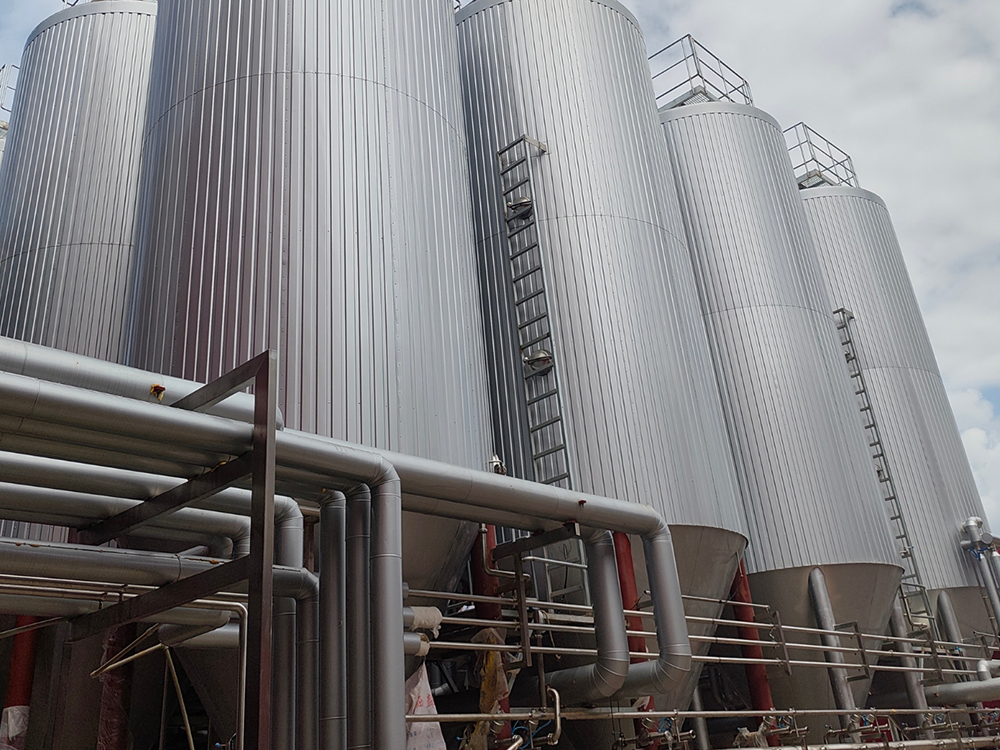
As an equipment manufacturer, we do not merely supply stainless steel tanks. We deliver a complete thermal control system engineered to protect beer flavor through meticulous design details. Every parameter and on-site commissioning we perform is a tribute to the professionalism of master brewers. For further information about brewery systems, feel free to contact Tiantai.