A brewery refrigeration system may continue operating normally while consuming much more electricity than necessary. The reasons are not always obvious. Inefficient compressor operation, poor fan control, and unsuitable equipment combinations can all increase energy costs without causing an immediate production problem.
For breweries operating large refrigeration plants, improving efficiency often requires more than routine maintenance. Monitoring equipment performance and adjusting how individual components work together can make a significant difference.
The following examples illustrate several practical improvements that breweries have implemented to reduce refrigeration energy consumption.
Using Refrigeration Monitoring to Identify Hidden Problems
A large brewery producing approximately one million hectoliters of beer annually developed a refrigeration fault diagnosis system with assistance from engineering specialists.
The system monitored key operating data, calculated refrigeration performance indicators such as COP, and analyzed equipment conditions. It also helped operators select appropriate combinations of compressors and cooling equipment according to current cooling demand and ambient temperature.
Instead of operating the same equipment combination continuously, operators could make decisions based on actual system conditions.
The reported results were significant: electricity consumption decreased by 29.5%, and the brewery recovered its investment within eight months.
This case demonstrates the value of using operating data to identify inefficiencies. Monitoring pressure, temperature, power consumption, and equipment load can help operators detect problems that are difficult to identify through routine inspections alone.

Check Whether the Compressor Matches Actual Operating Conditions
Compressors are among the largest electricity consumers in an industrial refrigeration plant. However, their efficiency depends not only on rated capacity but also on how well their design matches actual operating conditions.
In one brewery, an assessment of existing ammonia compressors identified several inefficiencies:
- Incorrect internal volume ratio (Vi): The compressor’s built-in compression ratio did not match the plant’s typical operating conditions, resulting in unnecessary compression work.
- Poor part-load performance: Conventional slide valve control reduced compressor capacity but still required considerable power consumption.
- Discharge pressure limitations: Operating pressure restrictions related to lubrication and oil separation affected the system’s ability to operate efficiently.
- Motor efficiency: Older compressor motors offered lower efficiency than newer premium-efficiency alternatives.
The proposed improvement was to install a more suitable primary compressor package, with an appropriate internal volume ratio, improved capacity control, and a higher-efficiency motor.
Variable-frequency drive (VFD) control was also considered to improve part-load operation.
The important lesson is that compressor selection should reflect actual refrigeration demand and operating pressure, rather than relying only on horsepower or nominal cooling capacity. Any changes to compressor speed or discharge pressure must also remain within the manufacturer’s operating limits.
Reduce Unnecessary Evaporator Fan Operation
Evaporator fans circulate air through cooling coils to maintain temperatures in refrigerated areas. However, continuous high-speed operation is not always necessary.
In another brewery, many evaporator fans were running at full speed except during defrost cycles. Although some units had two-speed motors, most were not configured for automatic speed adjustment.
The proposed solution was to connect the remaining evaporator coils to the plant PLC system and introduce automatic fan cycling or two-speed control.
Additional temperature sensors could help the control system determine when full airflow was required and when reduced fan operation was sufficient.
This approach can reduce fan electricity consumption while also limiting the heat generated by fan motors inside refrigerated spaces.
Fan control must still maintain suitable air circulation and temperature uniformity. The operating strategy should therefore be matched to the evaporator design and storage requirements.
Improve Condenser Fan and Pump Coordination
Evaporative condensers remove heat from the refrigeration system using both water circulation and airflow. Their performance depends on how effectively fans and pumps work together.
One brewery had four evaporative condensers, but only one used variable-speed fan control. The combination of fixed-speed fan cycling and VFD operation made the overall control strategy difficult to coordinate.
The existing sequence also started fans before water pumps, resulting in periods of dry condenser operation and inefficient heat rejection.
The proposed improvements included:
- Installing VFDs on the remaining condenser fans.
- Coordinating fan speeds with water pump operation.
- Improving the starting and stopping sequence to support proper wet operation.
- Adjusting condenser capacity according to actual heat rejection demand.
- Using ambient wet-bulb temperature as a reference for condenser control.
A coordinated strategy allows condenser fans and pumps to respond more appropriately to changing operating conditions.
It is also important to balance condenser electricity consumption against compressor power. Running fans faster may reduce condensing pressure, but excessive fan operation can offset some of the resulting compressor energy savings.
The objective is to reduce the total power consumption of the refrigeration plant, not simply to run individual components at their lowest or highest settings.
A Better Approach to Brewery Refrigeration System Design
These examples show that refrigeration efficiency depends on the interaction between compressors, evaporators, condensers, pumps, fans, and control systems.
For existing breweries, reviewing operating data and identifying inefficient equipment combinations can help prioritize improvements. Depending on the condition of the plant, adjustments to compressor control, fan operation, or condenser sequencing may provide benefits without replacing the entire refrigeration system.
For new brewery projects, these requirements should be considered during the initial equipment planning stage.
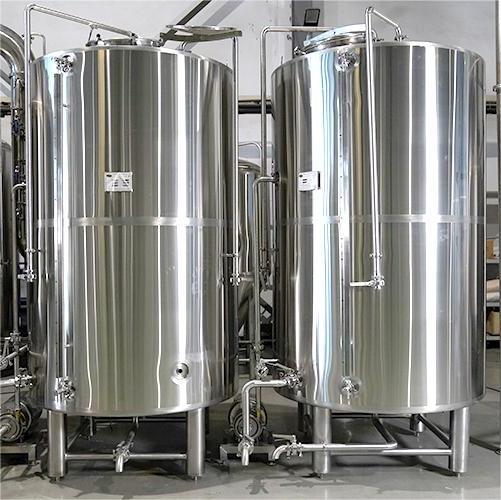
Tiantai provides brewery equipment manufacturing and turnkey brewery project delivery. When planning a brewery, refrigeration requirements should be coordinated with the brewhouse, fermentation tanks, cold water supply, and other supporting utilities.
Considering equipment compatibility, cooling demand, and control arrangements from the beginning helps establish a refrigeration system that supports stable production and manageable operating costs.