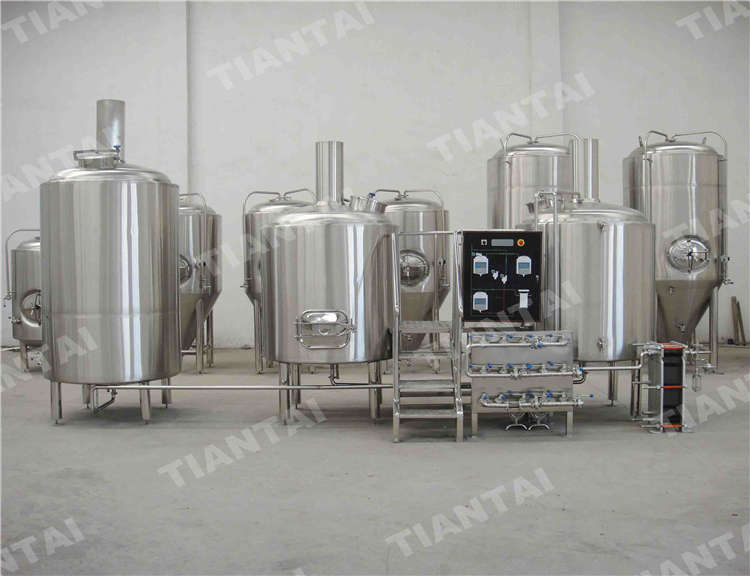
Flavored craft beer refers to malt-driven craft beverages blended with tea, fresh fruit and vegetable extracts, coffee and a wide range of natural flavor additives. It has become the fastest-expanding category within the broader craft beer sector. While its market penetration is set to expand significantly through 2029, its proportion of total craft beer retail turnover is forecast to nearly double, climbing from 18% up to 36%.
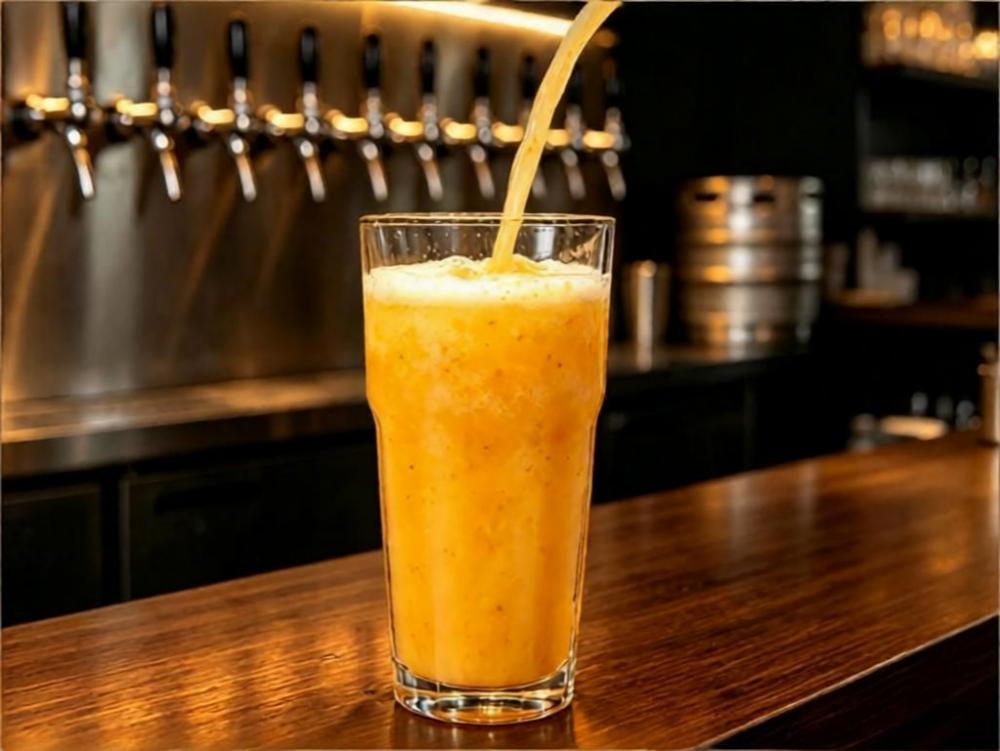
Even so, the sector is still characterized by severe market fragmentation. This creates a valuable strategic opportunity for breweries equipped with large-scale mass manufacturing infrastructure and mature proprietary technologies capable of resolving core production hurdles unique to fruit-infused beer. Such manufacturers are well-positioned to capture first-mover edge and cultivate distinctive, hard-to-replicate market competitiveness.
(I) Pre-Treatment of Fruit Raw Materials
Fruit beer is produced by incorporating fruit into the mashing and fermentation workflows, where the fruit participates in subsequent fermentation. Fresh fruit undergoes a full pre-treatment workflow including washing, sorting, juicing and sterilization. For high-fiber fruits such as mango, pineapple and passion fruit, homogenization of fruit pulp fibers directly determines the consistent mouthfeel and suspension stability of the finished product.
The industry-standard practice for high-fiber fruit puree involves adding pectinase for enzymatic hydrolysis at 40–50°C for 30–60 minutes. This breaks down pectin to boost juice yield and reduce excessive haze. Immediately after enzymatic treatment, the mixture must be heated to 80°C to deactivate enzymes, preventing interference with downstream fermentation.
(II) Flavor Stability & Aroma Retention
Fruity flavor compounds are inherently volatile and prone to oxidation, with severe losses of heat-sensitive components during brewing. Complicating matters further, polyphenols exert dual pro-oxidant and antioxidant effects within beer matrices: they shield aromatic compounds from oxidation on one hand, yet catalyze oxidative degradation of higher alcohols and unsaturated fatty acids on the other, generating carbonyl compounds that trigger flavor deterioration.
Additionally, the addition of fruit juice alters the beer’s chemical composition, making flavor stability far harder to regulate than conventional all-malt beer. Therefore, targeted adjustment of the type and concentration of key chemical components, selection of optimized yeast strains and refined brewing process parameters are critical steps to guarantee consistent flavor across production batches.
(III) Long Shelf-Life Preservation & Microbiological Control
Fruit juice creates an ideal nutrient medium for spoilage microbes. Formal production standards impose strict technical specifications covering raw materials, sensory attributes, physicochemical indicators, microbial limits and mycotoxin thresholds for fruit craft beer.
Highly perishable fruits such as strawberries and peaches must undergo pasteurization prior to dosing, followed by rapid cooling to fermentation temperature to avoid aromatic loss. After blending fruit puree with wort, pH and sugar content testing is mandatory to adjust fermentation parameters—fruits typically lower pH, which requires verification of yeast acid tolerance.
Failure to control any single process stage may lead to secondary fermentation, overpressurized packaging or irreversible flavor degradation during distribution.
(IV) Batch Consistency & Scale-Up Mass Production
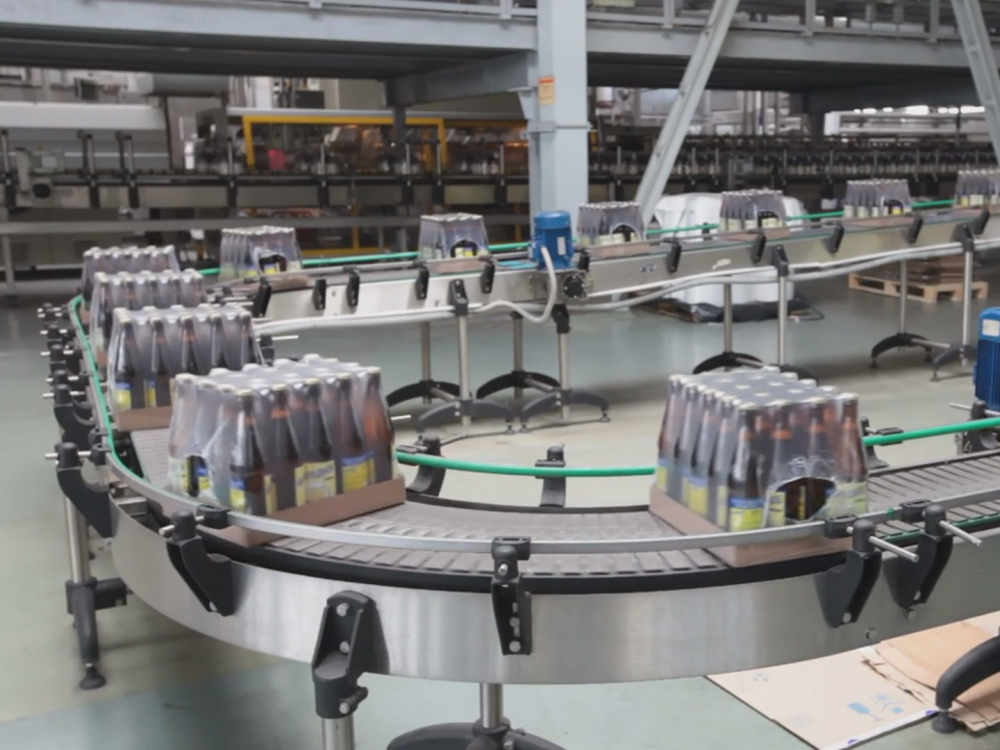
Raw material variability stemming from fruit varieties, ripeness levels and harvest seasons, combined with non-linear chemical reactions during fermentation, creates major production hurdles. Breweries that launch fruit beer production without dedicated fruit pre-treatment equipment and flavor dosing systems frequently encounter issues including pulp sedimentation and stratification, microbial spoilage, oxidative deterioration and excessive flavor deviation between batches. These problems not only reduce yield rates but also render products non-compliant with food distribution inspection standards, forming a fundamental bottleneck restricting mass production and nationwide distribution.
Addressing the above process challenges first requires a robust technical hardware foundation. A brewery equipment manufacturer’s independent R&D capability, mastery of core process parameters and proven track record delivering large-scale industrial projects directly dictate the success or failure of a production line.
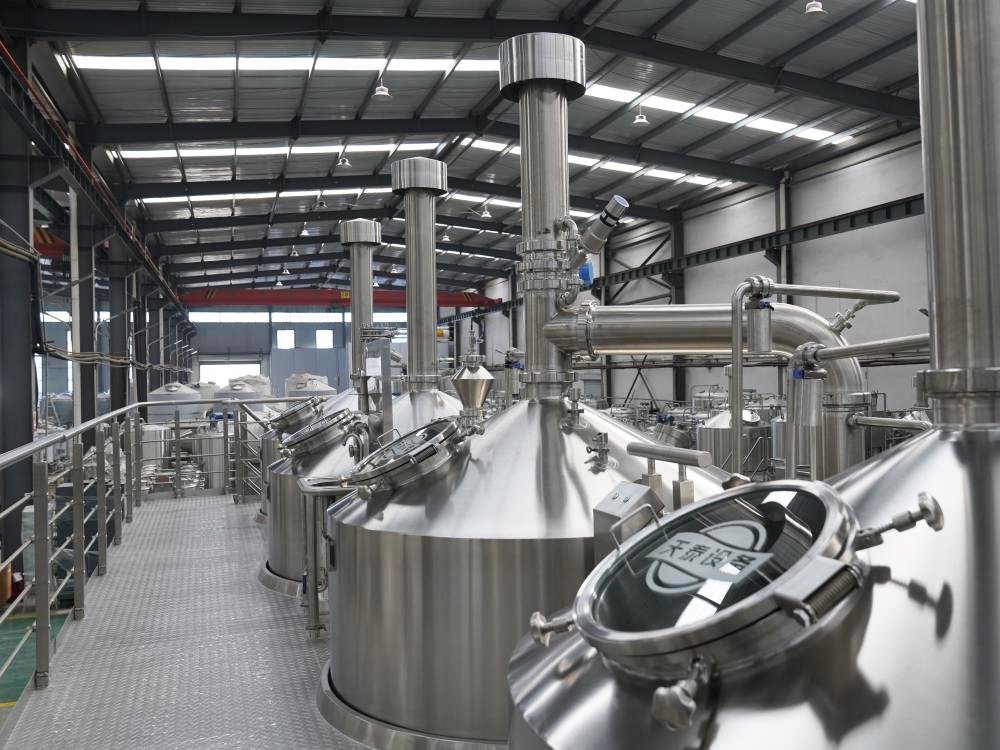
As an original professional brewery equipment manufacturer and full turnkey project service provider, Tiantai specializes in customized projects for medium and large breweries. We reject generic standardized equipment packages, and deliver tailored process layouts and equipment configurations aligned with clients’ factory site conditions, output targets and investment budgets, supporting mass production capacities ranging from 1,000 tons to 10,000 tons annually.
In precision equipment manufacturing, we adhere to industrial-grade brewing production standards. All core production equipment adopts food-grade 304/316L stainless steel, distinguishing our products from thin-gauge inferior alternatives on the market. Tanks are manufactured with fully automated laser seamless welding and internal & external mirror polishing, meeting continuous mass production requirements in terms of wall thickness, pressure resistance and corrosion resistance.
All mashing, fermentation, CIP cleaning and other brewing equipment is independently designed and manufactured in-house, with no third-party OEM markup. Our equipment outperforms industry benchmarks in machining precision, sealing performance, temperature control accuracy and microbial inhibition, substantially mitigating process risks such as sedimentation, oxidation and microbial overgrowth in fruit beer production.
We deliver full EPC (Engineering, Procurement, Construction) turnkey solutions for three mainstream project types: existing brewery retrofits, standalone new craft beer production lines and ground-up greenfield brewery construction. Unlike scattered component suppliers, we provide one-stop integrated services covering factory process planning, custom equipment fabrication, precise pipeline layout, automation system commissioning and standardized workshop renovation.
To resolve the industry-wide pain point of “equipment sales without after-sales support”, our long-term service framework includes extended industrial-grade warranty coverage for all core equipment. We also offer full-lifecycle technical support including original manufacturer process optimization upgrades, exclusive spare parts supply, modular line expansion and process fault troubleshooting for the entire service life of the production line.
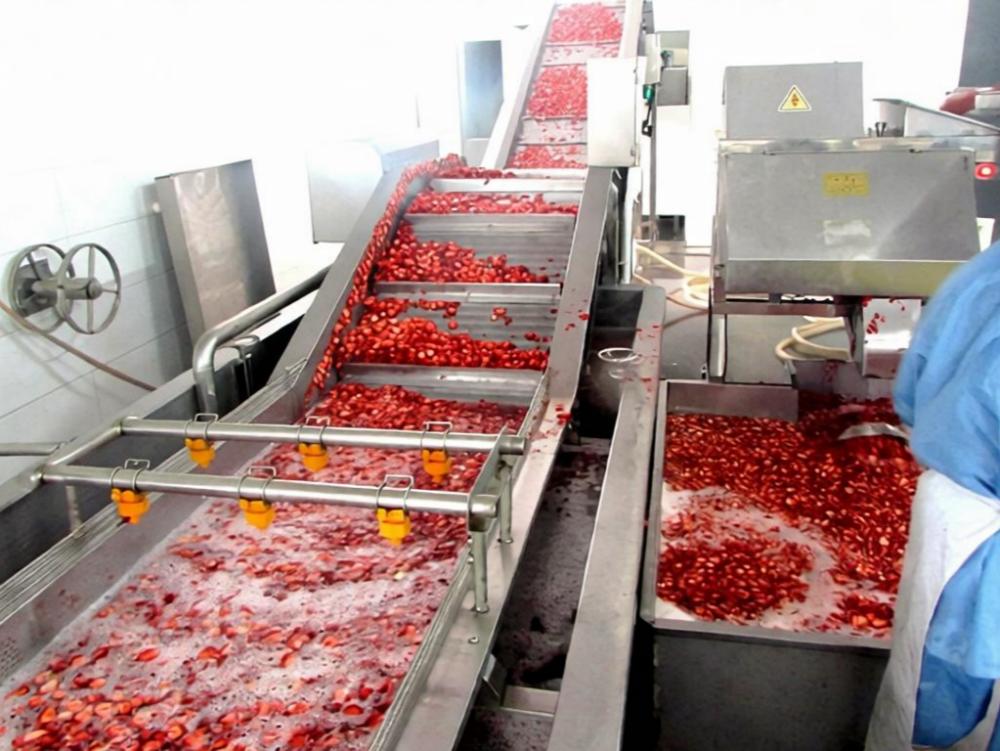
For established breweries seeking to enter the fruit puree and fruit craft beer market, a shared production line capable of manufacturing both all-malt and fruit-flavored craft beer represents the optimal solution to avoid redundant capital expenditure and idle production capacity. Launching a new production line requires customized system solutions tailored to factory conditions, output targets and investment scale—not simply a random assembly of generic machinery.