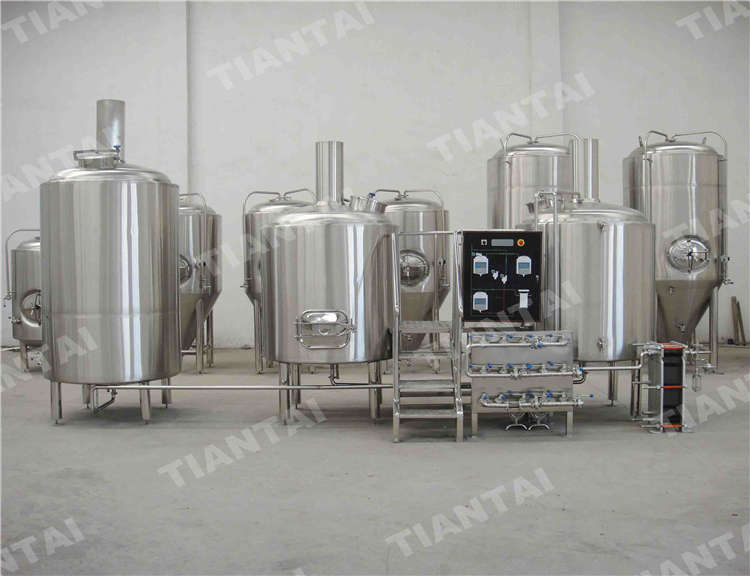
Beer brewing is a water-intensive production process. Wastewater is generated during mashing, wort filtration, fermentation, equipment cleaning, filling, and packaging. This wastewater may contain sugars, proteins, yeast, beer residues, suspended solids, and cleaning agents. If discharged without proper treatment, it can negatively affect the aquatic environment.
A well-designed brewery wastewater treatment system helps breweries comply with local environmental regulations, reduce wastewater treatment costs, and improve water resource efficiency. Whether operating a small craft brewery or a large commercial brewery, the appropriate treatment solution should be selected based on production capacity, wastewater quality, wastewater volume, and applicable discharge standards.
Main Sources of Brewery Wastewater
Brewery wastewater mainly comes from brewing operations, equipment cleaning, cooling systems, and auxiliary facilities. Different sources produce wastewater with different characteristics.
Brewing Process Wastewater
This wastewater is mainly generated during mashing, wort filtration, and fermentation. It may contain residual wort, sugars, proteins, and yeast, which can increase chemical oxygen demand (COD) and five-day biochemical oxygen demand (BOD₅).
CIP Cleaning and Equipment Rinsing Wastewater
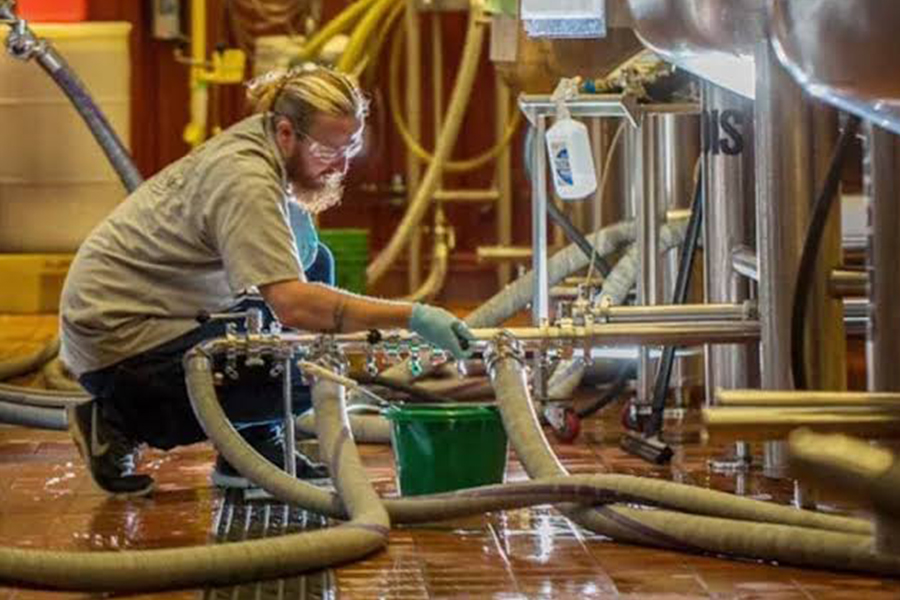
Wastewater from cleaning brewhouse equipment, fermentation tanks, beer storage tanks, pipelines, and filling equipment may contain organic residues, acidic or alkaline cleaning agents, and other chemicals. Its pH and pollutant concentrations can vary depending on the cleaning procedures used.
Cooling and Auxiliary System Discharges
These include cooling system drainage, cooling tower blowdown, and wastewater from other auxiliary equipment. Uncontaminated cooling water may be recovered and reused where conditions permit, while other discharges should be managed according to their water quality.
Filtration, Packaging, and Domestic Wastewater
Backwashing of filtration equipment, bottle and can washing, and rinsing of filling equipment may generate wastewater containing yeast, residual beer, and suspended solids. Wastewater from sanitary facilities, floor cleaning, and boiler blowdown may also require appropriate management.
Classifying and collecting wastewater separately at the source helps reduce the pollutant load entering the drainage system and lowers the burden on downstream treatment processes.
Why Does Brewery Wastewater Require Specialized Treatment?
Brewery wastewater is characterized by relatively high organic matter content and significant fluctuations in water quality. The main treatment challenges include the following:
High organic matter concentration: Wort, sugars, residual beer, and yeast increase COD and BOD₅. If discharged without proper treatment, this wastewater may deplete dissolved oxygen in receiving water bodies.
High suspended solids content: Spent grain, hop residues, and yeast can increase suspended solids concentrations and affect subsequent treatment performance.
Fluctuations in pH and temperature: Acidic and alkaline wastewater from CIP cleaning, as well as hot rinsing water, may affect the stability of biological treatment systems.
Variable wastewater volumes: Discharges from mashing, filtration, filling, and equipment cleaning occur at different times, resulting in fluctuations in flow rate and pollutant concentration.
Therefore, a brewery wastewater treatment system should provide adequate flow and water quality equalization. The treatment process must be selected according to actual wastewater characteristics and discharge requirements.
Common Brewery Wastewater Treatment Processes
Brewery wastewater is generally treated using a combination of physical, chemical, and biological processes. The specific treatment configuration depends on influent water quality, treatment capacity, available space, and the intended discharge or reuse requirements.
Pretreatment: Removing Solids and Equalizing Wastewater Quality
Pretreatment removes large solid particles, reduces suspended solids, and balances wastewater flow and quality. Common equipment and measures include bar screens, screening equipment, sedimentation tanks, dissolved air flotation (DAF) systems, equalization tanks, and pH adjustment systems.
At the production stage, spent grain, waste yeast, and residual wort should be separated and collected whenever possible to prevent high-strength organic waste from entering the wastewater system.
Anaerobic Treatment: Reducing High Organic Loads
For wastewater with a high organic matter concentration, anaerobic treatment technologies such as the upflow anaerobic sludge blanket (UASB) process may be suitable, depending on actual operating conditions.
This process uses microorganisms to break down organic matter, reduce the load on downstream treatment units, and generate biogas that may be recovered for energy use under suitable conditions.
However, the effluent from anaerobic treatment usually requires further treatment to meet the applicable discharge or water reuse standards.
Aerobic Treatment: Further Removing Organic Pollutants
Aerobic treatment uses microorganisms to further break down organic matter in wastewater, reducing COD and BOD₅. Common processes include the activated sludge process, biological contact oxidation, and sequencing batch reactors (SBR).
The selection of an aerobic treatment process should take into account treatment efficiency, land requirements, energy consumption, maintenance needs, and sludge management.
Advanced Treatment: Meeting Discharge or Reuse Requirements
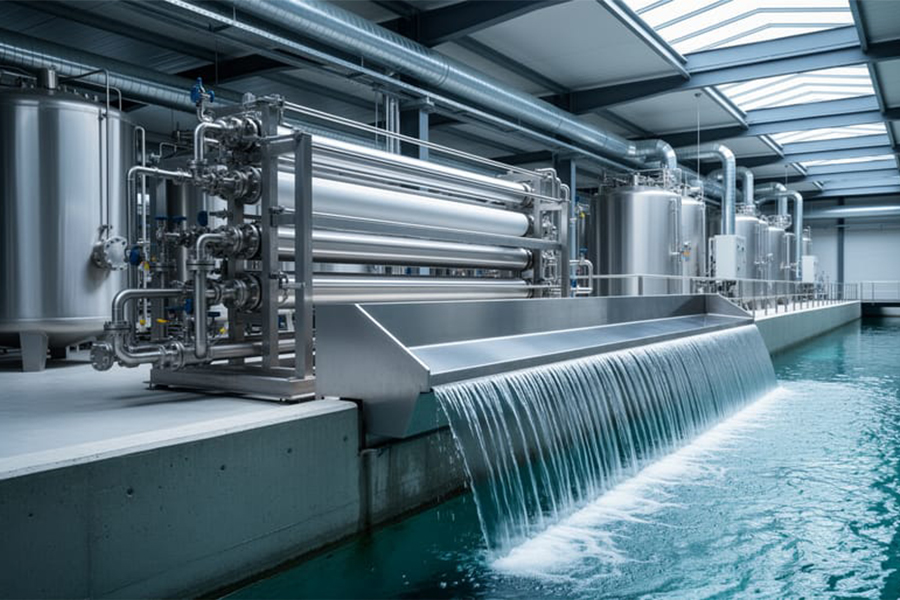
If the effluent from biological treatment does not meet the required water quality standards, additional treatment may be necessary. Depending on the intended application, options include filtration, membrane treatment, activated carbon treatment, and disinfection.
The final configuration depends on local discharge regulations and the intended use of the reclaimed water.
Sludge and Solid Residue Management
Sludge, scum, and other solid residues generated during wastewater treatment should be collected, dewatered, and disposed of in compliance with applicable regulations, according to their characteristics.
Improving source separation can also reduce the amount of solid waste entering the wastewater system, helping lower treatment costs.
How to Choose the Right Brewery Wastewater Treatment Solution
Depending on discharge conditions, production capacity, and investment budget, breweries can consider the following three options.
Pretreatment Followed by Discharge to the Municipal Sewer
If local regulations permit connection to the municipal sewer and the wastewater meets the applicable discharge acceptance requirements, pretreatment measures such as solids separation, pH adjustment, and flow equalization may be sufficient before discharge.
This option generally requires a lower initial investment. However, breweries should confirm local sewer acceptance standards, wastewater treatment fees, and other applicable management requirements.
Installing an On-Site Wastewater Treatment System
Breweries with large wastewater volumes, stricter discharge requirements, or limited access to suitable municipal sewer infrastructure may need to install an independent on-site wastewater treatment system.
Depending on wastewater characteristics and treatment objectives, the system may combine pretreatment, anaerobic treatment, aerobic treatment, and advanced treatment units.
This option requires careful consideration of equipment investment, energy consumption, maintenance, sludge disposal, and other long-term operating costs.
Wastewater Segregation, Recovery, and Reuse
Effective water management can reduce freshwater consumption and wastewater discharge. Common measures include:
Hot water recovery from cooling: Collect hot water generated during wort cooling for use in subsequent production processes.
CIP rinse water reuse: Reuse suitable final-rinse water for preliminary rinsing during subsequent cleaning cycles.
Cooling water recycling: Recirculate cooling water when its quality meets the requirements of the intended application.
Recovery of production by-products: Collect spent yeast, spent grain, and residual beer separately to reduce the amount of organic matter entering the drainage system.
Water reuse systems must be designed according to water quality, process requirements, and hygiene standards. Untreated wastewater must not be used directly in processes where it may come into contact with the product.
How to Reduce Wastewater Generation in a Brewery
In addition to installing a wastewater treatment system, optimizing daily production and water management practices can help reduce water consumption and wastewater treatment loads.
Optimize CIP Cleaning Procedures
Set appropriate cleaning sequences, durations, and water volumes according to the equipment and production process. Recover and reuse suitable cleaning water while avoiding unnecessary repeated rinsing.
Reduce Raw Material and Beer Losses
Before cleaning equipment and floors, collect spent grain, yeast, and residual beer wherever possible. This helps prevent high-strength organic materials from entering the wastewater system.
Improve Wastewater Segregation
Separate high-strength organic wastewater, relatively clean cooling water, and wastewater containing cleaning chemicals where practical. This makes recovery and targeted treatment easier and more efficient.
Strengthen Water Monitoring and Equipment Maintenance
Regularly record water consumption and wastewater discharge volumes across production processes. Inspect pipelines, valves, and equipment for leaks, and promptly address abnormal water consumption.
By implementing these measures, breweries can improve water resource efficiency, reduce wastewater treatment loads, and lower long-term operating costs.
Brewery wastewater treatment requires comprehensive planning based on production capacity, wastewater characteristics, discharge standards, and operating costs. A typical treatment system includes pretreatment and biological treatment, with additional advanced treatment units installed where necessary.
At the same time, optimizing CIP cleaning procedures, reducing raw material and beer losses, segregating wastewater streams, and recovering suitable water resources can further reduce wastewater generation and treatment loads.
By integrating wastewater treatment with daily production management, breweries can better meet environmental requirements, improve water resource efficiency, and achieve more economical, environmentally responsible, and sustainable production.