Mastering Commercial Brewery Fermentation (Part 3)

As breweries increase production capacity, fermentation becomes not only a biological process but also an engineering challenge.

Through fermentation projects ranging from craft breweries to large commercial brewing systems, Tiantai has found that maintaining consistent beer quality depends on understanding the interaction between vessel design, hydrostatic pressure, cooling strategy, and process control.

Building on the previous articles, this chapter explores how convection, hydrostatic pressure, and transfer timing influence fermentation homogeneity and flavor development inside modern cylindroconical fermenters.

11

Convection, Hydrostatic Pressure, and Fermentation Homogeneity

One of the most distinctive characteristics of cylindroconical fermenters is their ability to maintain remarkably uniform fermentation conditions despite their considerable height. Commercial fermentation vessels may exceed ten meters in liquid depth, yet differences in temperature, attenuation, and yeast concentration throughout the tank are often far smaller than expected.

This apparent uniformity is the result of continuous interaction between convection, hydrostatic pressure, carbon dioxide evolution, and heat transfer.

As fermentation progresses, yeast metabolism generates heat throughout the liquid column. Simultaneously, carbon dioxide bubbles rise toward the beer surface, carrying surrounding liquid upward. Meanwhile, glycol cooling removes heat from the vessel wall, producing localized temperature differences that increase liquid density. Together, these forces establish a continuous circulation loop that redistributes both yeast cells and dissolved compounds throughout the 発酵槽.

Unlike mechanical agitation, this circulation remains gentle enough to avoid damaging yeast while still preventing significant stratification inside the vessel.

For brewers, the practical consequence is improved process consistency.

Provided that cooling is properly controlled, different regions of the fermenter generally exhibit very similar extract concentration, yeast activity, dissolved carbon dioxide levels, and fermentation temperature. Instead of developing isolated pockets of faster or slower fermentation, the vessel behaves as a single, integrated biological system.

This homogeneity becomes increasingly important as 発酵槽 volume increases.

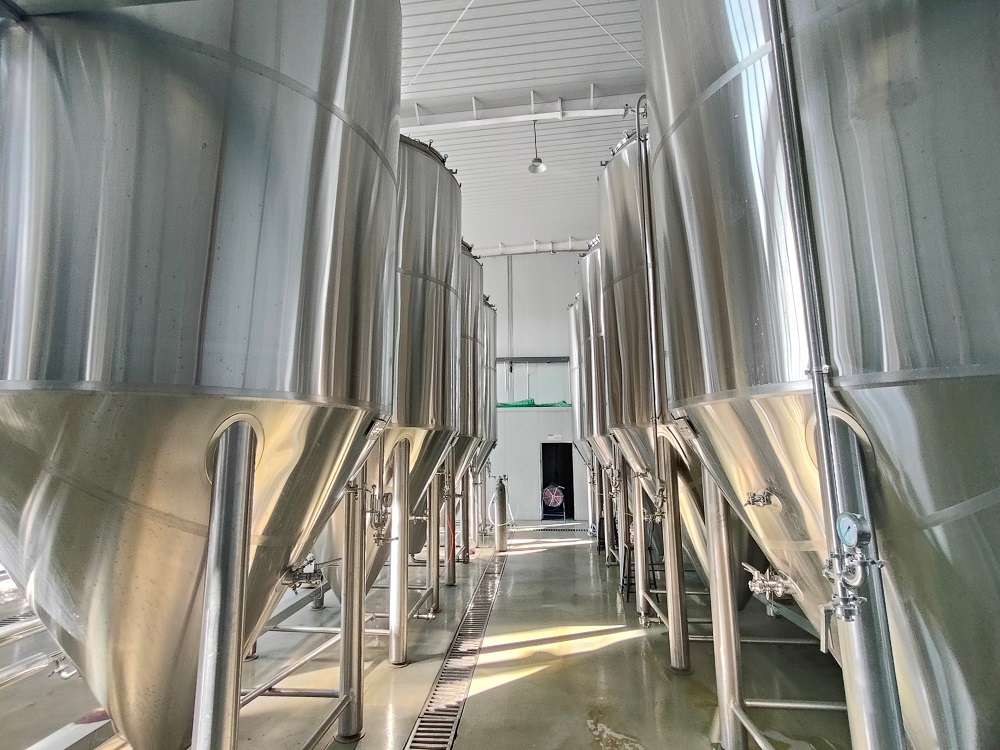
Large production breweries often rely on vessels exceeding several hundred hectoliters. Without adequate internal circulation, even relatively small temperature differences could produce measurable variations in fermentation rate, leading to inconsistent flavor development within the same batch. Natural convection effectively minimizes these variations without requiring mechanical mixing equipment.

However, convection should not be viewed as universally beneficial.

As 発酵器 become taller, hydrostatic pressure at the bottom of the vessel rises proportionally with liquid depth. The increased pressure allows greater quantities of carbon dioxide to remain dissolved in the beer surrounding yeast cells. Elevated dissolved CO₂ influences several aspects of yeast physiology, including cell growth, membrane transport, nutrient uptake, and the formation of secondary fermentation metabolites.

Depending on beer style and fermentation schedule, these pressure effects may be advantageous or undesirable.

For example, moderate hydrostatic pressure can suppress excessive ester formation, producing the cleaner flavor profile expected in many lager beers. Conversely, breweries producing expressive Belgian ales or highly aromatic specialty beers may deliberately employ lower filling heights or different fermentation strategies to preserve ester production and yeast-derived aroma compounds.

IMG20230226152720

Hydrostatic pressure also affects the behavior of hop-derived bitter substances. Compared with traditional open fermenters, cylindroconical vessels generally retain a higher proportion of iso-alpha acids throughout fermentation because reduced carbon dioxide stripping limits their removal. As a result, bitterness perception may differ slightly even when identical hopping schedules are used.

Recognizing these interactions has changed the way modern breweries specify fermentation equipment.

Rather than selecting tanks solely according to production capacity, breweries increasingly evaluate the relationship between vessel height, diameter, expected hydrostatic pressure, cooling performance, and target beer styles. The height-to-diameter ratio influences far more than floor space utilization; it directly affects internal circulation, pressure distribution, heat removal, yeast suspension, and ultimately the sensory characteristics of the finished beer.

For equipment manufacturers, this requires balancing several competing design priorities.

A taller vessel increases production capacity without expanding the building footprint, yet excessive height may increase hydrostatic pressure beyond the optimum range for certain fermentation profiles. Conversely, a wider vessel reduces pressure but requires additional floor area and different cooling arrangements.

Consequently, 発酵槽 geometry should never be standardized across every brewery project.

Experienced engineering teams instead evaluate production scale, fermentation temperature, yeast strain, expected beer styles, and available cellar space before determining the most appropriate vessel dimensions. TIANTAI follows this engineering philosophy by customizing 発酵槽 proportions according to the operational objectives of each brewery rather than relying exclusively on standard catalog sizes.

Ultimately, maintaining homogeneous fermentation conditions depends not on a single design feature but on the successful integration of vessel geometry, cooling control, process scheduling, and yeast management. When these elements are properly balanced, breweries achieve more consistent attenuation, improved flavor reproducibility, and greater stability across successive production batches.


Beer Transfer and Maturation: Timing Determines Flavor Stability

Fermentation does not end when the target degree of attenuation is reached.

Although the majority of fermentable sugars may already have been converted into alcohol and carbon dioxide, yeast continues performing numerous biochemical reactions that significantly influence the final flavor profile of the beer. The timing of transferring beer from the 発酵槽, therefore, represents one of the most important operational decisions during cellar management.

In many breweries, green beer is transferred while a small proportion of fermentable extract remains. Allowing a limited amount of fermentation to continue after cooling serves several purposes. Residual yeast activity consumes dissolved oxygen introduced during transfer, continues reducing vicinal diketones such as diacetyl, and generates additional carbon dioxide that helps maintain homogeneous conditions throughout maturation.

This approach also allows yeast to remain metabolically active during the initial cooling phase. As beer temperature gradually decreases from fermentation temperature toward maturation temperature, yeast remains capable of completing several flavor-cleanup reactions before entering dormancy. Premature cooling may suppress these reactions, extending conditioning time and increasing the likelihood that undesirable flavor compounds remain above sensory threshold levels.

An alternative strategy delays transfer until sedimentation is substantially complete. Under this approach, beer remains inside the cylindroconical fermenter for an additional period while cooling encourages further yeast flocculation and settlement. The resulting beer contains significantly lower suspended yeast concentrations before entering the maturation vessel.

This method offers several operational advantages. Lower yeast carryover reduces sediment accumulation during lagering, improves filtration efficiency, and simplifies clarification. In breweries employing centrifuges or membrane filtration systems, consistent yeast loading also contributes to more predictable downstream processing performance.

However, delayed transfer requires careful attention to yeast distribution within the 発酵槽.

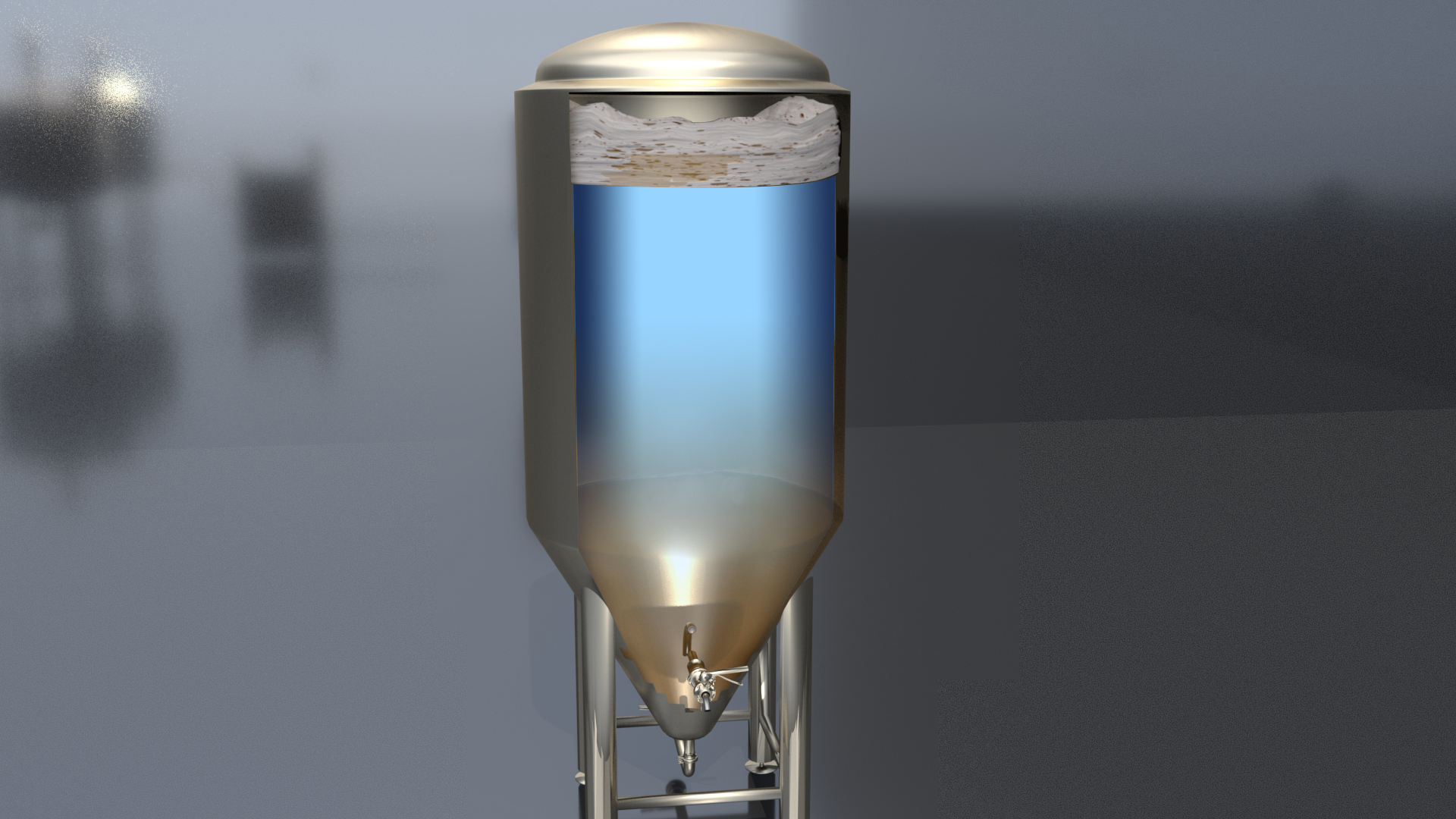
As sedimentation progresses, yeast concentration gradually becomes non-uniform throughout the liquid column. Beer withdrawn from the upper portion of the vessel may contain only a fraction of the yeast present near the cone, potentially resulting in inconsistent maturation if transfer occurs without adequate mixing.

krausen

For this reason, many breweries blend beer during transfer or introduce actively fermenting Kräusen beer before maturation.

Kräusening, although traditionally associated with natural carbonation, also redistributes viable yeast throughout the beer while providing fresh fermentable extract. Besides supporting carbonation, the technique encourages additional flavor maturation and contributes to the rounded mouthfeel characteristic of many traditional lager beers.

Regardless of the transfer strategy employed, consistency depends on accurate process monitoring rather than fixed production schedules.

Measurements of apparent attenuation, yeast viability, dissolved oxygen, temperature, pressure, and diacetyl concentration collectively provide a far more reliable indication of transfer readiness than fermentation time alone. Two batches brewed from identical recipes may nevertheless require different transfer schedules due to variations in yeast vitality, pitching rate, raw material composition, or fermentation temperature.

Modern brewery automation increasingly reflects this philosophy.

Instead of relying solely on operator experience, many commercial breweries integrate continuous temperature monitoring, pressure measurement, automated cooling control, and digital fermentation records into a unified process management system. These data allow brewers to evaluate fermentation progress objectively while reducing batch-to-batch variability.

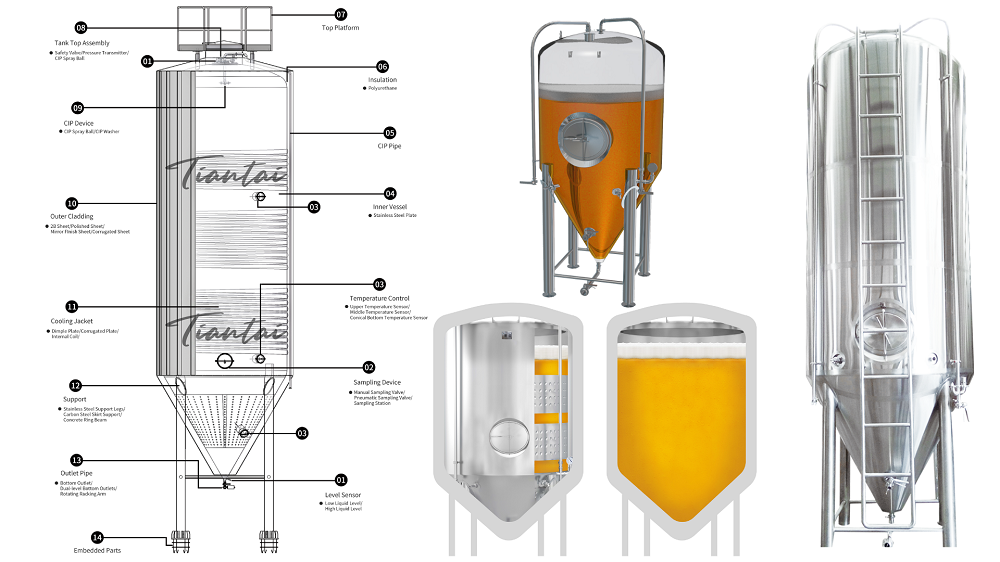
Fermenter design supports these process decisions as well. Sanitary sampling valves positioned at representative locations enable accurate microbiological and analytical testing throughout fermentation. Precision thermowells provide reliable temperature measurements, while pressure-rated vessels allow breweries to perform fermentation and maturation within the same tank whenever production strategy permits. Integrated CIP systems further ensure that each fermentation cycle begins under consistently hygienic conditions, minimizing microbiological risk without extending production downtime.

For breweries pursuing consistent beer quality over hundreds of annual production cycles, the transfer process should therefore be viewed not as a simple movement of beer between tanks, but as the final stage of active fermentation management. Decisions made during this period continue to influence flavor stability, clarification efficiency, yeast performance, and overall production economics long after primary fermentation appears to have finished.


Modern breweries increasingly rely on process data rather than fixed production schedules to determine transfer timing.

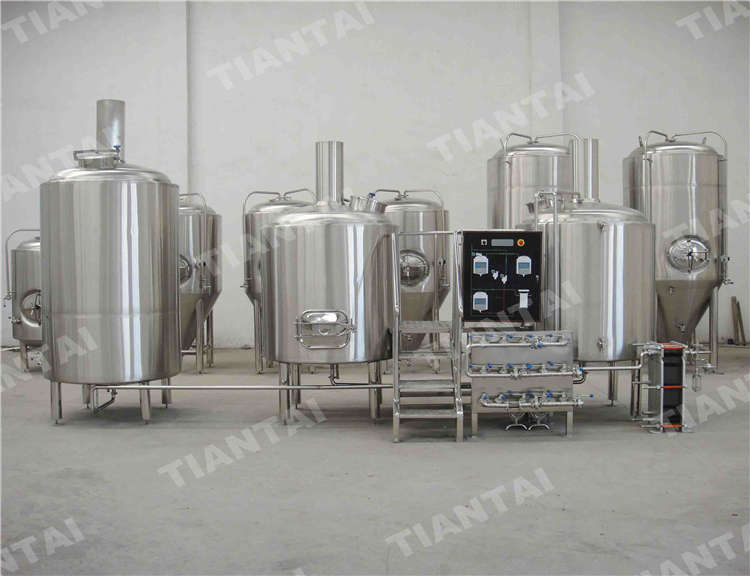
To support this approach, TIANTAI integrates sanitary sampling systems, precision temperature monitoring, pressure-rated 発酵容器, automated glycol control, and fully integrated CIP solutions into complete brewery projects. These engineering features help brewers maintain consistent fermentation performance while reducing batch-to-batch variation.

The final article in this series focuses on one of the smallest—but often overlooked—operations inside the fermentation cellar: cold break management. We will also summarize how fermentation engineering contributes to long-term brewery performance and production efficiency.

トップに戻る