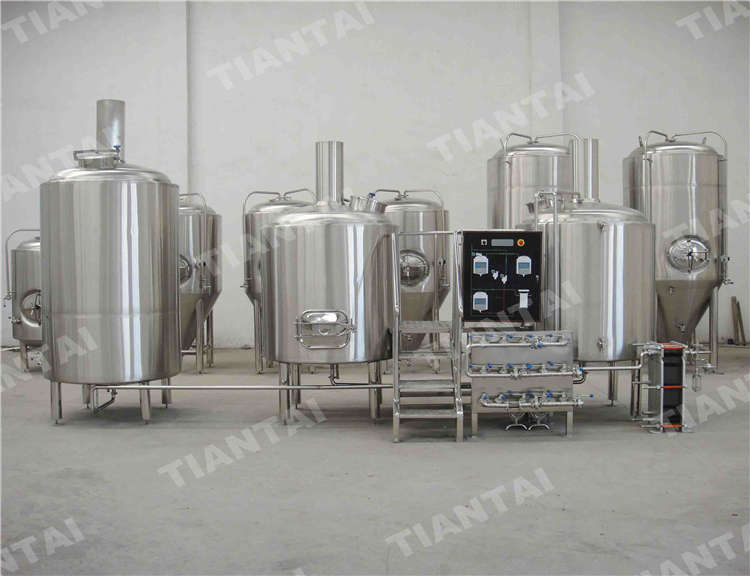
La fermentación moderna es una de las etapas más determinantes en la producción comercial de cerveza. Si bien la levadura es la que, en última instancia, determina cómo se transforman los azúcares en alcohol y compuestos aromáticos, el propio recipiente de fermentación desempeña un papel igualmente importante al controlar la temperatura, la disponibilidad de oxígeno, la presión hidrostática y el movimiento de la levadura a lo largo de todo el proceso.
Las fábricas de cerveza modernas rara vez consideran los tanques de fermentación como simples recipientes de almacenamiento. En el entorno actual de la elaboración comercial de cerveza, el fermentador Funciona como un biorreactor diseñado minuciosamente, en el que el metabolismo de la levadura, la transferencia de calor, la presión hidrostática y el control del proceso interactúan para determinar la calidad de la cerveza. Las decisiones que se toman durante esta fase influyen en la atenuación, la formación de ésteres, el estado de la levadura, la estabilidad del sabor, el rendimiento de la filtración e incluso en la consistencia de las futuras generaciones de levadura cosechada.
La adopción generalizada de los depósitos de fermentación cilíndrico-cónicos transformó la elaboración de cerveza durante la segunda mitad del siglo XX. En comparación con los fermentadores abiertos tradicionales y los depósitos de maduración horizontales, fermentadores cilíndrico-cónicos combina la fermentación primaria, la recogida de levadura, la maduración, la carbonatación y, en muchos casos, incluso la fermentación a presión en un único recipiente. Además de reducir la mano de obra y los riesgos de contaminación, este diseño ofrece a los cerveceros un control mucho mayor sobre la cinética de la fermentación y la uniformidad del producto.
Sin embargo, la mera instalación de un fermentador moderno no garantiza resultados uniformes. La geometría del depósito, los procedimientos de llenado, la estrategia de refrigeración, la gestión del oxígeno y el manejo de la levadura interactúan entre sí a lo largo de toda la fermentación. Pequeños cambios en un parámetro suelen influir en varios otros. Por ejemplo, los programas de llenado afectan a las corrientes de convección, lo que altera la suspensión de la levadura, lo que a su vez modifica la tasa de atenuación y el desarrollo del sabor.
Esta serie de cuatro partes analiza los principios de ingeniería que subyacen a la fermentación cilindroconica moderna y explica cómo las fábricas de cerveza pueden optimizar la calidad de la cerveza mediante un mejor diseño de los procesos, en lugar de basarse únicamente en ajustes de la receta.
En este artículo, Tiantai analiza cómo una correcta adición de levadura, la aireación del mosto y la convección natural sientan las bases para una fermentación saludable y una calidad constante de la cerveza.
Adición de levadura y aireación del mosto: cómo garantizar una fermentación adecuada
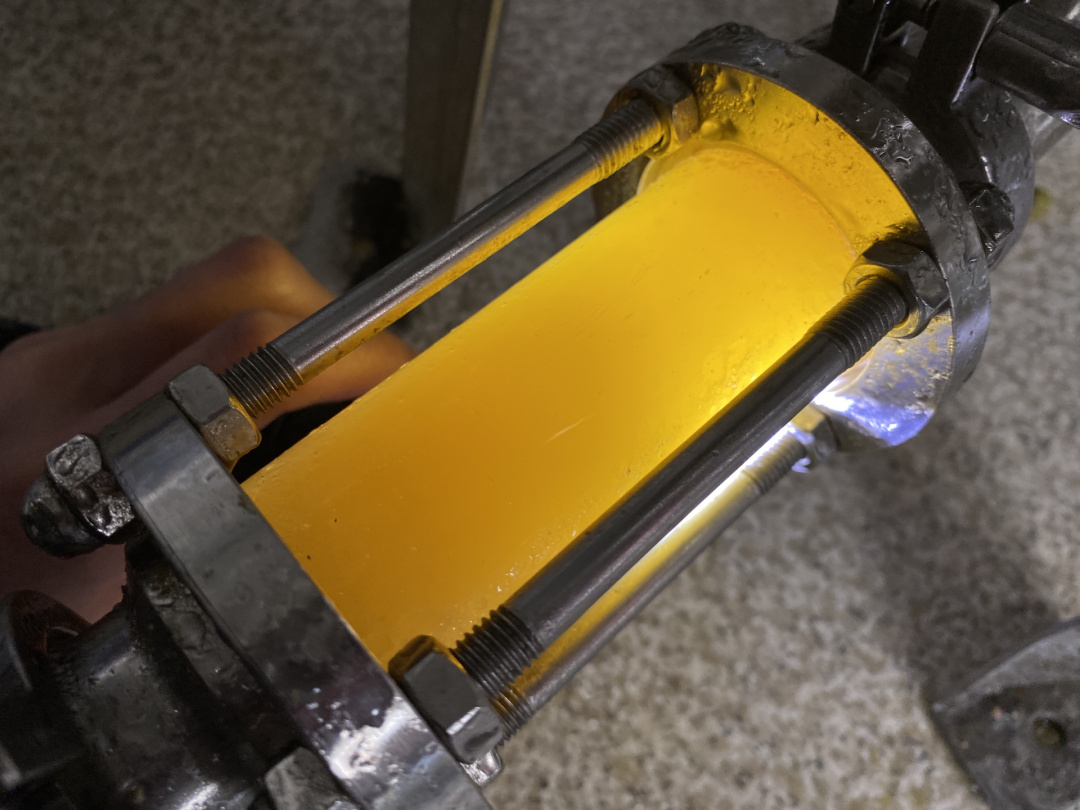
Una fermentación satisfactoria comienza mucho antes de que se aprecie una producción intensa de CO₂. El estado de la levadura durante las primeras horas tras su incorporación determina en gran medida el rendimiento de la fermentación a lo largo de la semana siguiente.
En el caso de la mayoría de las cervezas de graduación estándar, las cervecerías suelen añadir aproximadamente 15 millones de células de levadura por mililitro, calculadas en función del volumen total del fermentador. Los mostos de mayor densidad suelen requerir mayores dosis de levadura y concentraciones más altas de oxígeno disuelto para favorecer la síntesis adicional de esteroles y el desarrollo de la membrana celular. La demanda de oxígeno varía en función de la cepa de levadura, la temperatura de fermentación y el estilo de cerveza, pero los valores en torno a los 8-10 mg/l de oxígeno disuelto se consideran generalmente un punto de partida eficaz para muchas fermentaciones de cerveza lager.
Igualmente importante es el momento en que la levadura entra en el proceso.
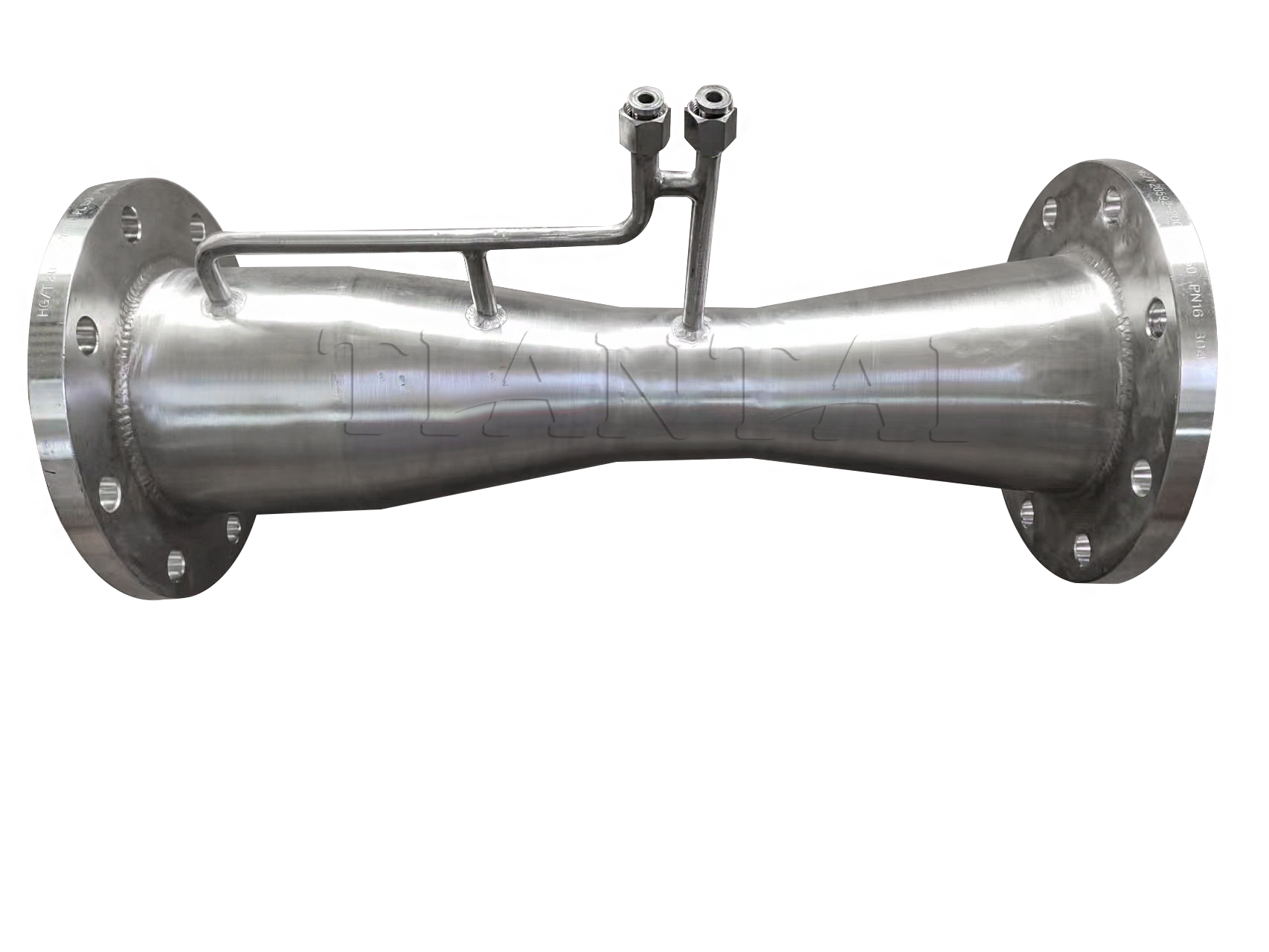
Las cervecerías comerciales suelen oxigenar el mosto enfriado inmediatamente antes del fermentador mediante un sistema de oxigenación en línea. La levadura debe introducirse aguas abajo del punto de inyección de oxígeno, en lugar de aguas arriba. De este modo, se minimiza el estrés mecánico causado por los dispositivos de mezcla turbulenta o los inyectores Venturi, y se permite que las células de levadura se encuentren con un entorno totalmente oxigenado inmediatamente después de la siembra. Preservar la integridad celular durante esta etapa mejora la viabilidad y reduce el estrés fisiológico innecesario antes de que comience la fermentación activa.
Aunque este principio parece sencillo, a menudo surgen complicaciones cuando se llena un fermentador de gran tamaño con varias tandas de elaboración a lo largo de una misma jornada de producción.
Muchas fábricas de cerveza airean deliberadamente solo la primera parte del mosto que entra en el recipiente, dejando sin airear los lotes posteriores. Esta práctica favorece la formación adecuada de dióxido de azufre durante la fermentación, lo que contribuye a la estabilidad del sabor de la cerveza final. Sin embargo, la aireación parcial plantea otro reto que a menudo se subestima.
Contrariamente a lo que se suele pensar, bombear el mosto a un recipiente alto fermentador A caudales elevados, no siempre se consigue una mezcla completa. Dado que el mosto entrante puede presentar ligeras diferencias en cuanto a temperatura, contenido de oxígeno disuelto, concentración de extracto o densidad de levadura, pueden quedar capas parcialmente separadas dentro del recipiente. Sin una circulación suficiente, se producen diferencias localizadas en el interior del fermentador, lo que aumenta la probabilidad de que la fermentación sea desigual y crea condiciones en las que los microorganismos pueden establecerse más fácilmente.
Por este motivo, los cerveceros experimentados prestan especial atención no solo a la dosificación de oxígeno, sino también a la uniformidad con la que el mosto entrante se distribuye por todo el recipiente.
Fermentador El diseño desempeña un papel importante en este sentido. Las superficies internas lisas reducen las zonas en las que pueden acumularse proteínas o microorganismos, mientras que la geometría de la entrada, cuidadosamente diseñada, favorece una circulación suave en lugar de crear vías de flujo concentradas. Fermentadores modernos de acero inoxidable Suelen contar con interiores sanitarios altamente pulidos y soldaduras totalmente pasivadas para eliminar las zonas muertas que dificultan la limpieza y reducen la eficacia de la mezcla.
Estas consideraciones de diseño explican por qué las cervecerías que invierten en la consistencia de la producción a largo plazo evalúan cada vez más los fermentadores no solo por su volumen o presión nominal, sino también por sus características de flujo interno y su ingeniería higiénica. Los tanques de fermentación comerciales de TIANTAI, por ejemplo, se fabrican con interiores sanitarios pulidos y configuraciones de entrada optimizadas que favorecen una distribución uniforme del mosto, al tiempo que mantienen las superficies de proceso totalmente limpiables a lo largo de ciclos de producción repetidos.
En definitiva, una fermentación adecuada va mucho más allá de la simple selección de la cepa de levadura adecuada. La distribución uniforme del oxígeno, los procedimientos controlados de inoculación, el diseño higiénico de los recipientes y las condiciones estables del mosto constituyen, en conjunto, la base sobre la que se sustenta cada una de las etapas posteriores de la fermentación.
Control de la convección en el interior del fermentador
Una vez que comienza la fermentación, el contenido de un depósito cilindroconico está lejos de permanecer inmóvil.
Fermentadores comerciales de gran tamaño generan continuamente una circulación interna impulsada por las diferencias de temperatura, la concentración de dióxido de carbono disuelto y la densidad del líquido. Estas corrientes de convección natural influyen en la suspensión de la levadura, la disponibilidad de nutrientes, la transferencia de calor y, en última instancia, en la cinética de la fermentación.
Muchos cerveceros se imaginan que, durante la fermentación, la levadura simplemente se deposita hacia el cono, mientras que el CO₂ asciende hacia la parte superior del recipiente. En realidad, la dinámica de fluidos es considerablemente más compleja.
A medida que la levadura transforma los azúcares en etanol y dióxido de carbono, innumerables burbujas de CO₂ ascienden a través de la columna de líquido. Su movimiento ascendente genera fuerzas de empuje localizadas, mientras que las diferencias de temperatura provocadas por la fermentación y la refrigeración con glicol establecen simultáneamente gradientes de densidad en el interior del depósito. En conjunto, estos mecanismos producen una circulación continua que hace que el líquido se desplace hacia arriba por algunas zonas del depósito y hacia abajo por otras.
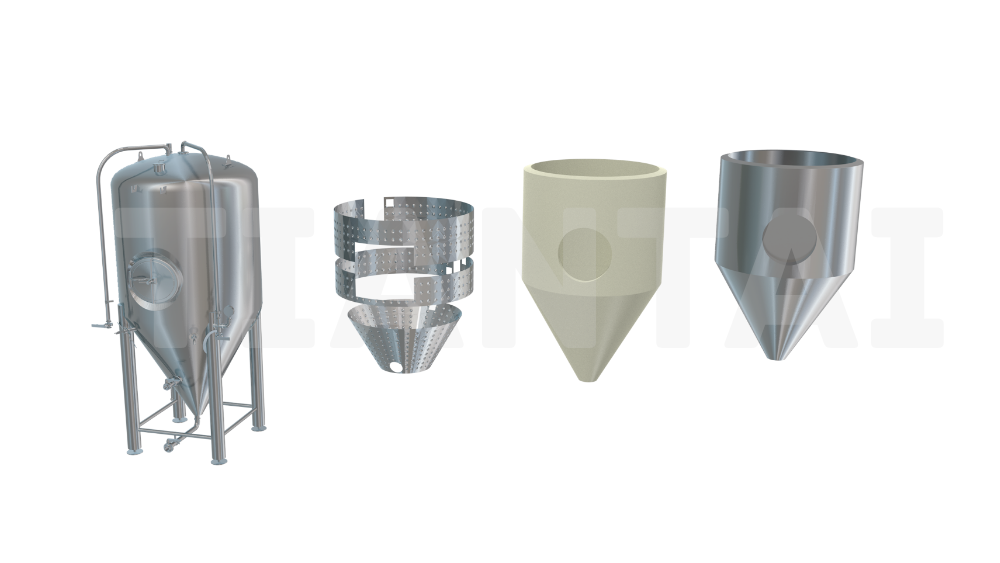
Esta circulación cumple varias funciones esenciales.
En primer lugar, la convección ayuda a distribuir los nutrientes de manera uniforme por todo el mosto en fermentación. En lugar de permitir que las células de levadura permanezcan concentradas cerca del cono, la circulación natural las transporta repetidamente por diferentes zonas del depósito, lo que mejora el contacto entre la levadura y los azúcares fermentables.
En segundo lugar, la convección minimiza la estratificación de la temperatura. Durante la fermentación activa, la levadura genera una cantidad considerable de calor metabólico. Sin una circulación suficiente, podrían formarse puntos calientes localizados, lo que alteraría la velocidad de fermentación y daría lugar a compuestos aromáticos inconsistentes. El movimiento continuo del líquido permite que el calor se disperse de forma más uniforme antes de ser eliminado a través de las camisas de refrigeración.
En tercer lugar, la convección influye en la concentración de dióxido de carbono disuelto en el entorno de las células de levadura. Dado que los niveles elevados de CO₂ afectan al metabolismo de la levadura y a la producción de ésteres, el mantenimiento de condiciones homogéneas en todo el fermentador contribuye directamente a la uniformidad del sabor entre los distintos lotes.
En ocasiones, los cerveceros potencian esta mezcla natural al introducir varios lotes de mosto en el mismo recipiente.
En lugar de utilizar burbujas finas de oxígeno —que se disuelven fácilmente en el mosto—, los operarios pueden inyectar brevemente burbujas gruesas de aire, nitrógeno o dióxido de carbono en la línea de trasvase. Las burbujas grandes ascienden rápidamente a través del líquido y se escapan casi de inmediato, creando una fuerte circulación vertical sin aumentar de forma significativa el oxígeno disuelto. Esta sencilla técnica mejora la homogeneización y evita al mismo tiempo la oxidación no deseada durante la fermentación.
La eficacia de estos patrones de circulación depende en gran medida de la estrategia de refrigeración.
Fermentadores El hecho de estar equipadas con múltiples zonas de refrigeración por glicol independientes permite a los cerveceros controlar la convección a lo largo de toda la fermentación, en lugar de depender de una única superficie de refrigeración. Al activar únicamente la camisa de refrigeración superior durante las primeras fases de la fermentación, se genera una circulación vertical más intensa a medida que el líquido enfriado desciende por el recipiente. En fases posteriores de la fermentación, la activación progresiva de las zonas de refrigeración inferiores reduce la intensidad de la circulación y favorece la floculación y sedimentación de la levadura dentro del cono.
Para las cervecerías que elaboran varios estilos de cerveza, esta flexibilidad resulta especialmente valiosa. Las fermentaciones de cerveza lager con alta atenuación pueden beneficiarse de una suspensión prolongada de la levadura, mientras que las cervezas ale con un marcado sabor a lúpulo suelen requerir perfiles de enfriamiento diferentes para conservar los compuestos aromáticos y, al mismo tiempo, mantener un rendimiento de fermentación estable.
En consecuencia, los fermentadores comerciales modernos incorporan cada vez más camisas de refrigeración controladas de forma independiente, distribuidas tanto a lo largo de la parte cilíndrica como de la sección cónica. Estas zonas de refrigeración no se limitan a actuar como simples equipos de refrigeración, sino que se convierten en herramientas activas de control del proceso que permiten a los cerveceros influir en el comportamiento de la levadura a lo largo de toda la fermentación.
Los fabricantes de equipos también han modificado su filosofía de diseño. En lugar de centrarse únicamente en la capacidad de refrigeración, los principales proveedores de equipos para cervecerías diseñan ahora las camisas de glicol en función de las cargas de fermentación previstas, la relación de aspecto de los depósitos y los tipos de cerveza que se van a elaborar. TIANTAI aplica este enfoque de ingeniería a todos sus sistemas de fermentación comerciales, lo que permite a las cervecerías adaptar el rendimiento de refrigeración a los requisitos específicos de producción, en lugar de recurrir a una configuración única para todos los casos.
Desde esta perspectiva, la convección no es simplemente un fenómeno físico que tiene lugar en el interior del fermentador. Si se gestiona adecuadamente, se convierte en una de las herramientas más eficaces de que dispone el cervecero para mantener unas condiciones de fermentación homogéneas, favorecer un rendimiento constante de la levadura y lograr una calidad de la cerveza reproducible de un lote a otro.
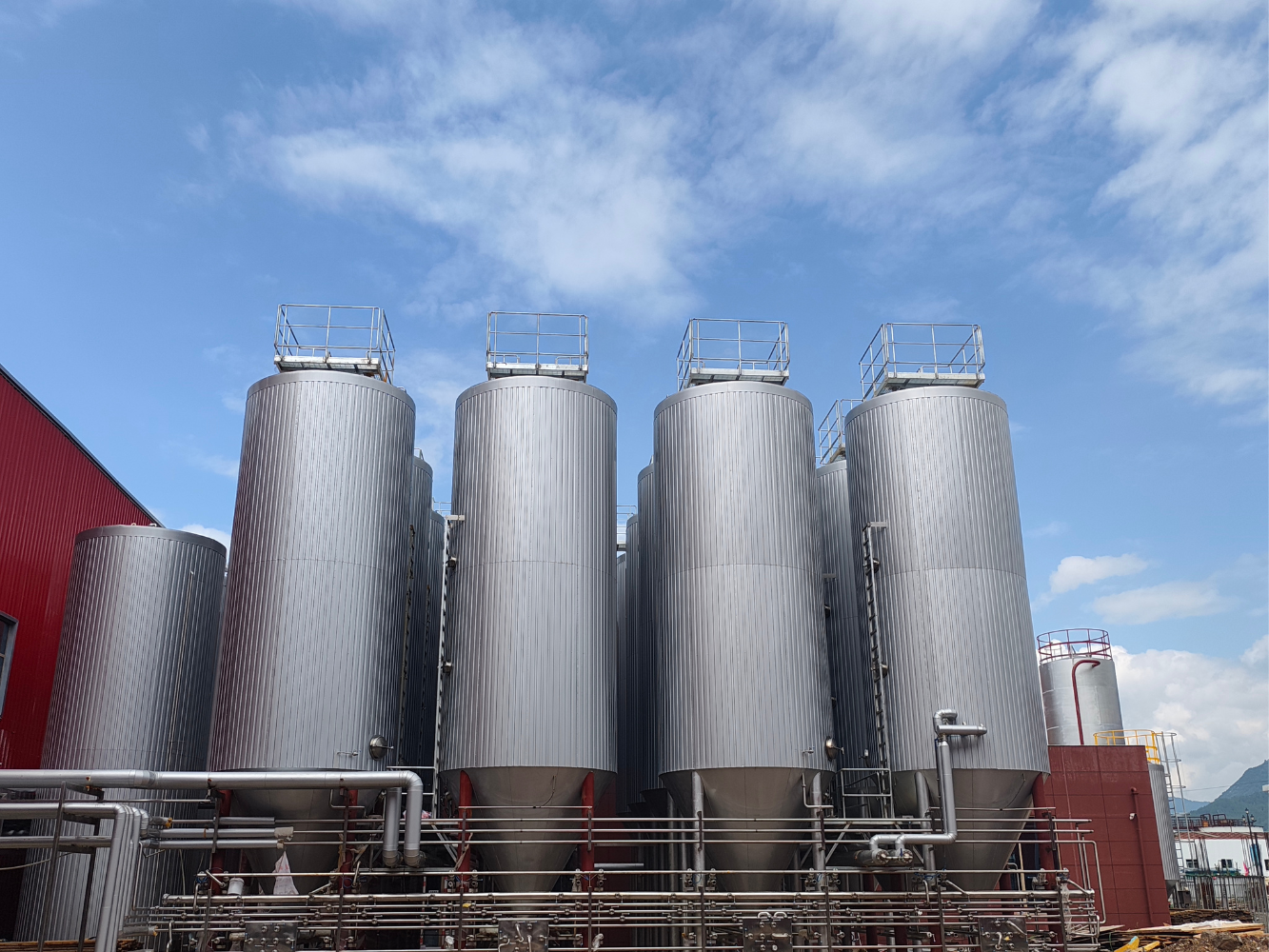
A medida que las fábricas de cerveza siguen buscando una mayor uniformidad en sus productos y una mayor eficiencia en la producción, los equipos de fermentación han pasado de ser simples depósitos de almacenamiento a convertirse en sistemas de proceso diseñados con gran precisión.
Tiantai diseña anuncios publicitarios fermentadores de acero inoxidable con una geometría de entrada optimizada, interiores pulidos a nivel sanitario y zonas de refrigeración por glicol controladas de forma independiente para favorecer una distribución uniforme del mosto y unas condiciones de fermentación estables. En lugar de centrarse únicamente en la fabricación de los depósitos, la empresa colabora con las cervecerías para integrar el diseño de los fermentadores en el proceso global de elaboración de la cerveza, garantizando que el rendimiento de los equipos se ajuste a los objetivos de producción.
En el próximo artículo, analizaremos cómo la geometría del fermentador influye en la sedimentación de la levadura y por qué la estrategia de llenado de los depósitos tiene un impacto mucho mayor en la calidad de la fermentación de lo que muchas cervecerías creen.
Comprender estos principios ayuda a los cerveceros a recuperar una levadura más sana, a mejorar la uniformidad del sabor y a maximizar la eficiencia de la fermentación a lo largo de cada ciclo de producción.