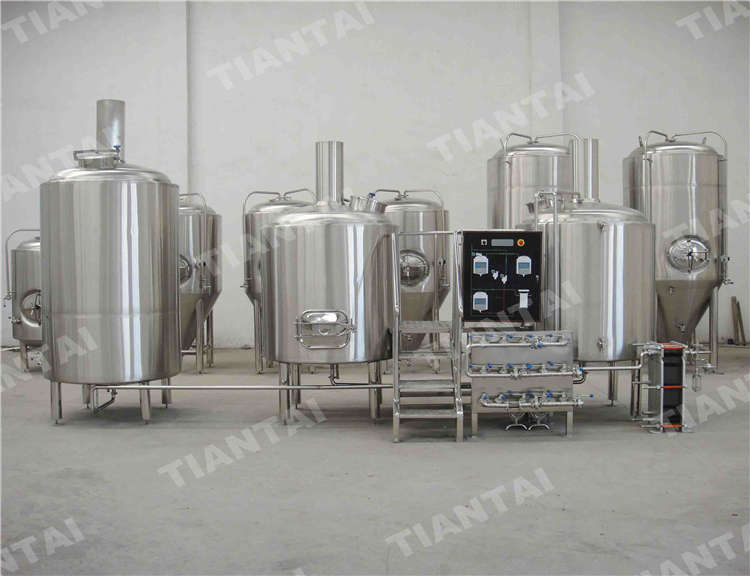
Le système CIP (Clean-In-Place) est un élément essentiel des brasseries artisanales modernes, car il offre un processus de nettoyage entièrement automatisé qui élimine le besoin de démontage. L'utilisation d'un automate programmable (PLC) pour réguler avec précision la température, la concentration, le débit et le temps de circulation des solutions de nettoyage garantit un assainissement et une stérilisation complets des équipements critiques, notamment la cuve de brassage, le fermenteur, la tuyauterie et l'échangeur de chaleur, sans laisser d'angles morts.
Pourquoi une brasserie artisanale devrait-elle s'équiper d'un système de nettoyage CIP ?
Les avantages comprennent l'automatisation complète du processus, la réduction significative des coûts et l'augmentation de l'efficacité. Une fois lancé par une simple commande, le système fonctionne de manière autonome, réduisant la durée du cycle de nettoyage de 2 à 4 heures à seulement 30 à 60 minutes. Il en résulte une réduction de plus de 60% des coûts de main-d'œuvre et une diminution de 40% des temps d'arrêt des équipements, ce qui améliore considérablement le rendement de la chaîne de production.
Les processus de nettoyage standardisés éliminent les risques de qualité en assurant une couverture 100% à l'intérieur des équipements grâce à un flux turbulent et à une technologie de pulvérisation rotative à 360 degrés. Cette approche permet de nettoyer efficacement les angles morts tels que les coudes et les joints d'étanchéité, empêchant ainsi le développement microbien et la contamination des lots, préservant ainsi la qualité et la sécurité de la bière.
En outre, le système favorise les économies d'énergie et la production écologique en contrôlant précisément le volume et le recyclage des solutions de nettoyage, ce qui permet de réduire la consommation d'eau de 30 à 50% et l'utilisation de produits chimiques de 25 à 40%. Certains systèmes intègrent des fonctions de récupération des solutions de nettoyage, ce qui permet de réaliser des économies annuelles de plus de cent mille yuans.
Les systèmes CIP prolongent également la durée de vie des équipements en évitant les dommages causés par les méthodes de nettoyage manuelles, comme les rayures et la corrosion, et en réduisant l'usure et les erreurs d'assemblage. En moyenne, la durée de vie des équipements de brassage est ainsi prolongée de 5 à 8 ans, ce qui réduit les coûts de maintenance et d'exploitation à long terme.
Les principales spécifications techniques des configurations professionnelles de NEP dans les brasseries artisanales sont les suivantes :
- Composants de l'équipement de base :
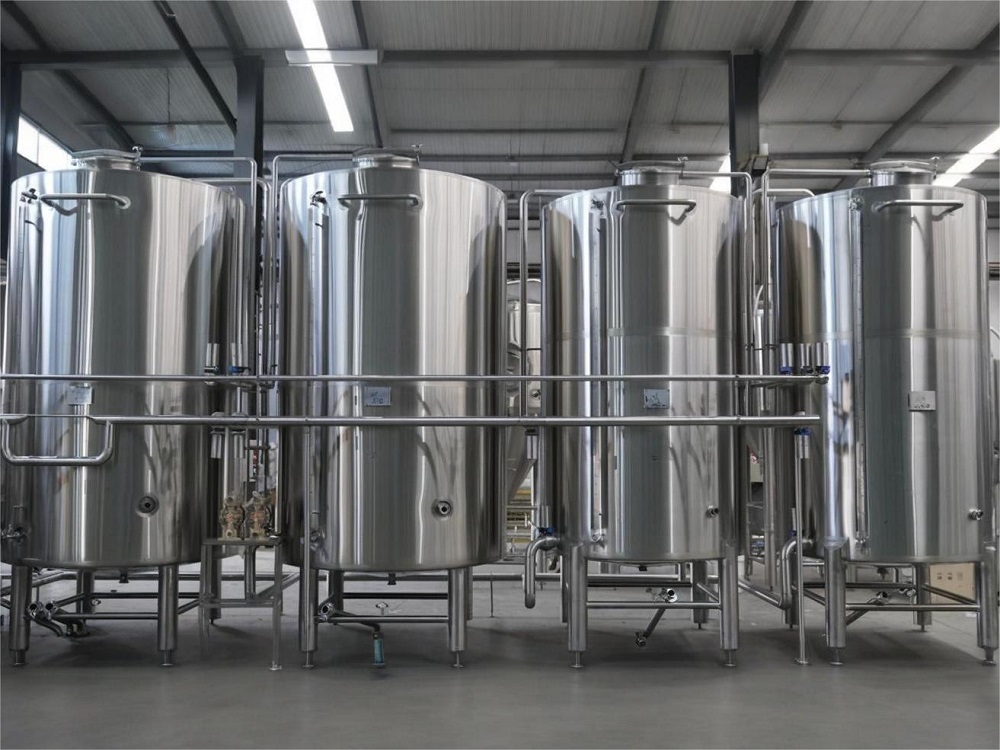
Les unités de stockage comprennent des réservoirs d'eau de récupération, des réservoirs de solution caustique, des réservoirs d'acide, des réservoirs d'agent stérilisant et des réservoirs d'eau stérile, conçus pour répondre aux différentes étapes du nettoyage.
Unités de transport : Pompes de nettoyage à haute pression et rinceuses à pulvérisation rotative.
Systèmes de contrôle : Panneaux de contrôle PLC de qualité industrielle permettant la surveillance à distance, le suivi en temps réel de la concentration, de la température et du débit, ainsi que l'établissement de rapports traçables.
Unités auxiliaires : Chauffages, filtres et dispositifs de dosage des produits chimiques pour assurer un contrôle précis de la température et de la concentration des solutions de nettoyage.
- Solutions de mise en page personnalisées :
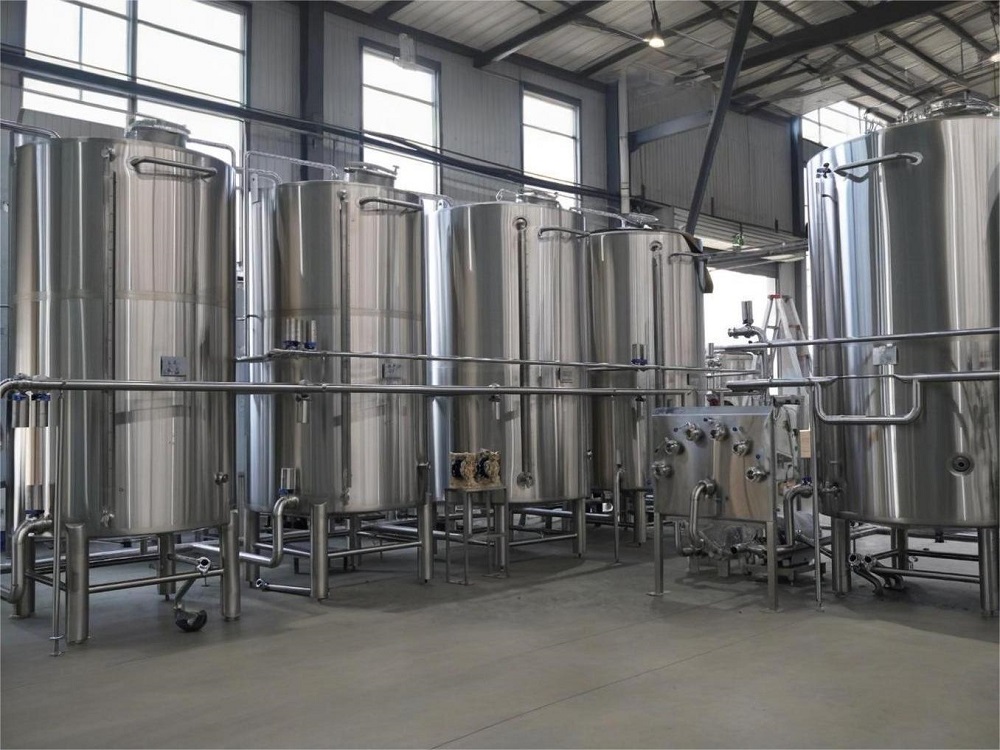
Stations CIP réparties : Unités de nettoyage dédiées alignées sur des sections de brassage spécifiques telles que l'empâtage, la fermentation, la production de saké et l'embouteillage, afin d'éviter toute contamination croisée.
Systèmes de NEP centralisés : Adaptés aux opérations à grande échelle, ils intègrent plusieurs équipements via des réseaux de tuyauterie, ce qui permet de récupérer une solution de nettoyage unifiée et de réduire l'espace et l'investissement initial.
- Maintenance et optimisation :
Étalonnage régulier : Vérification hebdomadaire des concentrations de la solution de nettoyage (quotidienne si les fluctuations sont importantes) et élimination périodique des résidus des réservoirs de stockage toutes les 6 à 8 semaines.
Remplacement des composants : Remplacement régulier des filtres et des joints pour maintenir une pression et un débit de pulvérisation constants.
Mises à niveau technologiques : Modernisation des équipements plus anciens avec des têtes de pulvérisation rotatives pour améliorer l'efficacité du nettoyage sans modifications importantes, ce qui garantit une amélioration rapide des performances.
Valeur d'application du NEP dans les équipements de brasserie artisanale
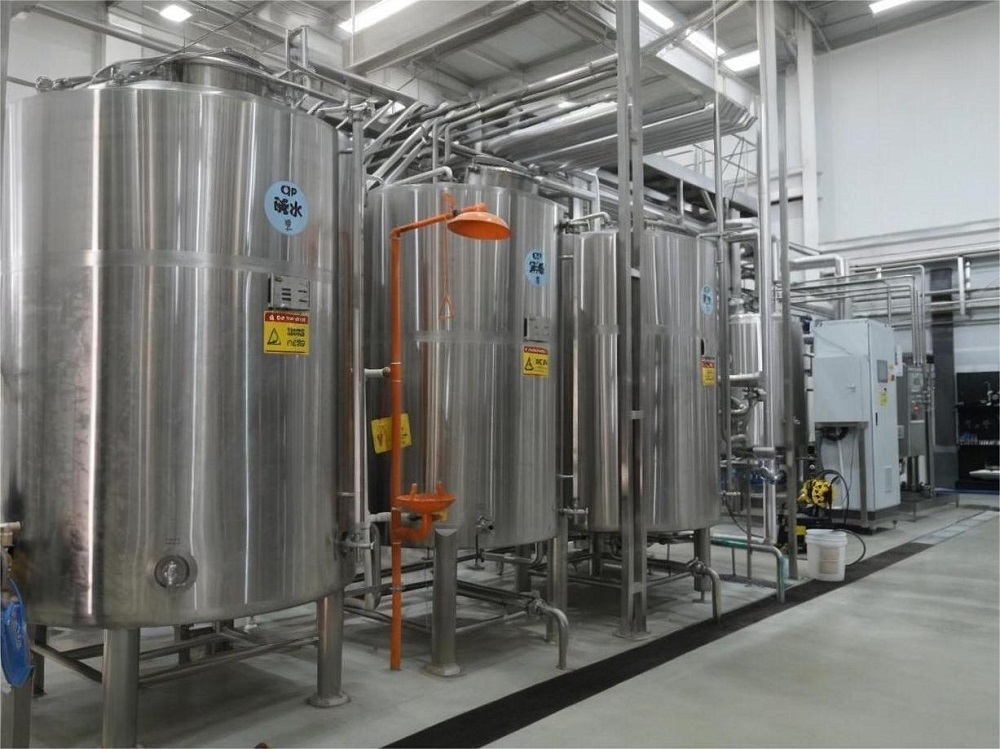
Les brasseries artisanales modernes intègrent les systèmes CIP dans leur planification globale de la production, en réservant des interfaces de nettoyage pour tous les équipements, de l'empâtage au remplissage. Cette intégration permet une transition transparente entre les processus de production et de nettoyage, ce qui élimine fondamentalement les dépendances manuelles en matière de nettoyage. Qu'il s'agisse d'une petite installation de brassage de 500 litres ou d'une ligne de production régionale de 5000 litres, le déploiement d'un système CIP professionnel permet non seulement de respecter les normes de sécurité alimentaire, mais aussi de stabiliser la qualité de la bière, d'améliorer l'efficacité opérationnelle et de réduire les coûts globaux. En tant que tels, les systèmes CIP constituent un pilier technologique essentiel pour le développement évolutif des entreprises brassicoles artisanales.