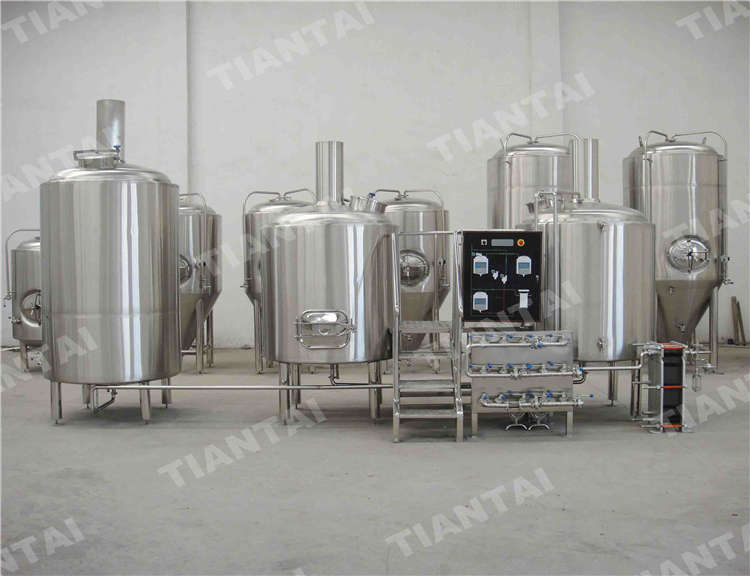
Dans le secteur de la bière artisanale, la canette en aluminium est passée du statut de récipient économique à celui de symbole d'une technologie d'emballage avancée. Cette introduction examine les facteurs qui expliquent sa popularité croissante auprès des brasseurs et décrit le processus de fabrication sophistiqué qui transforme la tôle d'aluminium brute en une canette finie.

Pourquoi choisir les boîtes de conserve ? Quatre avantages essentiels
- Barrière complète contre la lumière : Protection totale contre les UV, cause du “skunking”.”
- Barrière supérieure contre l'oxygène : Le corps de la boîte lui-même est plus imperméable à l'oxygène que le verre.
- Léger et portable : Beaucoup plus léger que le verre, ce qui réduit les frais d'expédition.
- Rentable : Les coûts des matériaux et de la production sont généralement inférieurs à ceux du verre.
Du drap au corps : La ventouse et le repassage
La fabrication des boîtes de conserve commence par un rouleau de tôle d'aluminium. 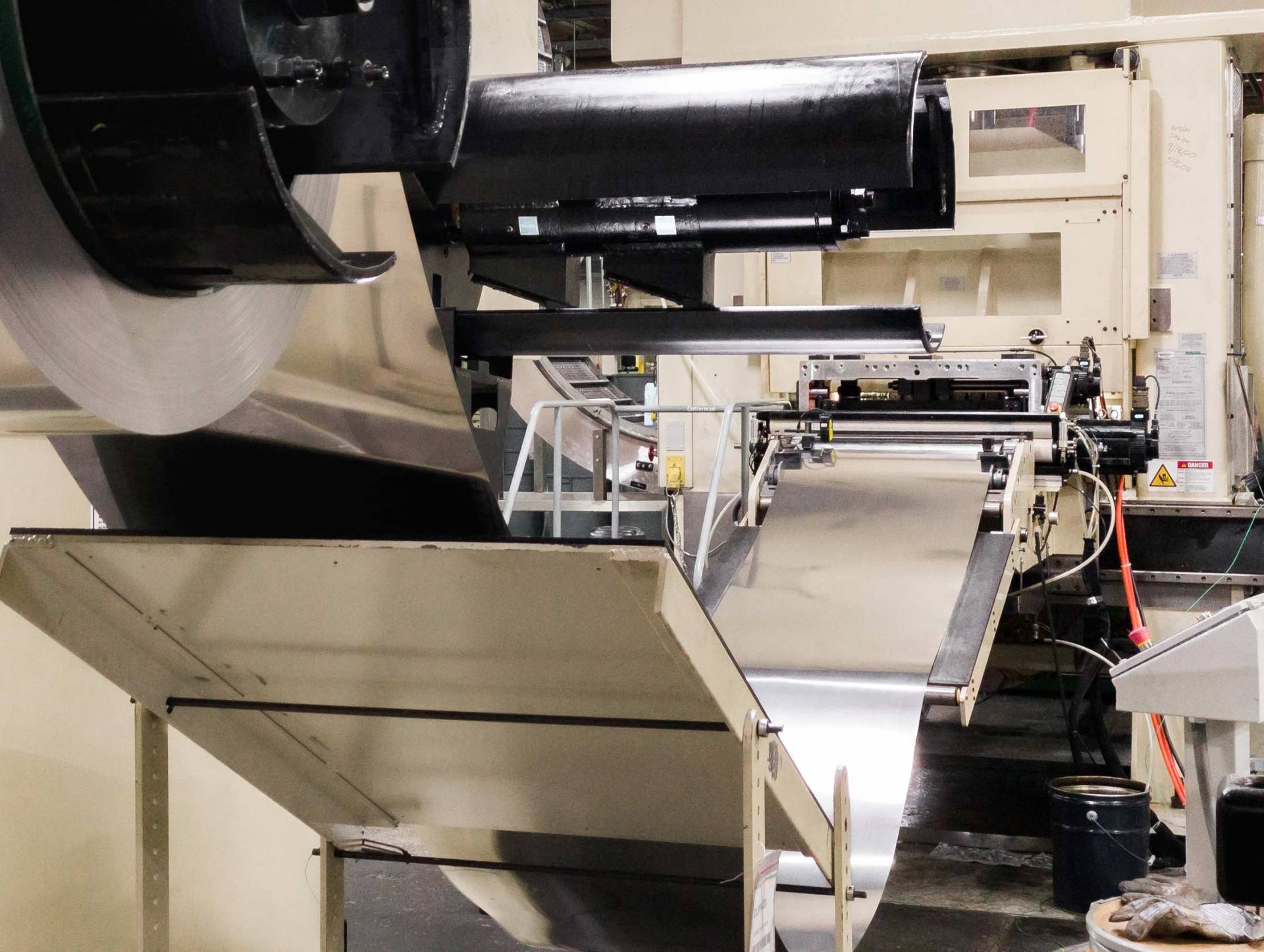 Après avoir été lubrifié, il entre dans une presse à gobelets, qui estampille des cercles d'environ 14 cm de diamètre et les transforme en gobelets épais et courts. Il ne s'agit que des ébauches.
Les gobelets entrent ensuite dans une carrosserie. Là, un plongeur force le gobelet à traverser une série d'anneaux de plus en plus petits dans le cadre d'un processus appelé “repassage”, l'étirant, l'amincissant et l'allongeant pour en faire un corps de boîte à paroi droite avec un fond formé. L'allègement moderne a permis d'optimiser l'épaisseur de la paroi à ~115-120 μm, réduisant ainsi le poids de 80 g à environ 13 g.
Le lavage, la décoration et la doublure vitale
Le corps de la boîte formée est ébarbé et lavé, souvent avec de l'acide fluorhydrique chaud, puis rincé.
La décoration est généralement réalisée par impression rotative, en appliquant différents motifs d'encre à des vitesses supérieures à 1000 CPM, suivie d'une couche de vernis protecteur. Il est également possible d'utiliser des manchons rétractables pré-imprimés, souvent après remplissage.
L'étape la plus critique consiste à pulvériser un revêtement à base d'eau à l'intérieur de la canette. Cette barrière empêche la bière légèrement acide de réagir lentement avec l'aluminium, ce qui pourrait entraîner une corrosion et une défaillance.
La forme finale : Necking & Flanging
Au cours des dernières étapes, la boîte entre dans la machine à découper, où le dessus est progressivement enroulé vers l'intérieur en une douzaine de fois pour former le goulot. Enfin, le flasheur fait tourner la boîte, en sertissant le dessus vers l'extérieur à un angle de 90° pour créer la collerette, cruciale pour le processus de sertissage final.
Face à l'incapacité de la boîte à être évacuée, nos lignes de mise en conserve modulaires peuvent être précisément intégrées à un système de dosage d'azote liquide pour inerter instantanément l'espace de tête de la boîte avant le remplissage, constituant ainsi la première ligne de défense robuste contre l'oxydation de votre bière.