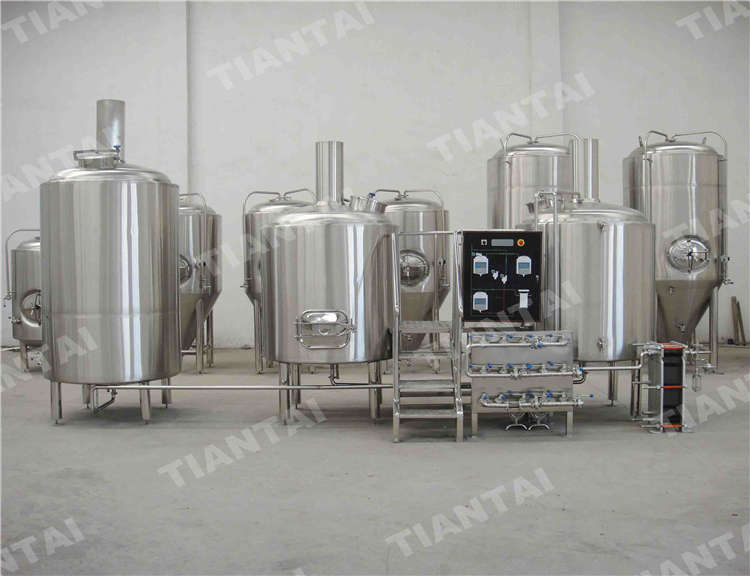
Stainless steel beer kegs are the core of modern draft beer distribution systems. Understanding the material properties, internal structure, and standardized operating procedures of beer is crucial for ensuring quality and preventing safety incidents. We’ll share the core design principles of beer kegs from a manufacturer’s perspective, and how to use them correctly.
The Evolution of Keg Materials
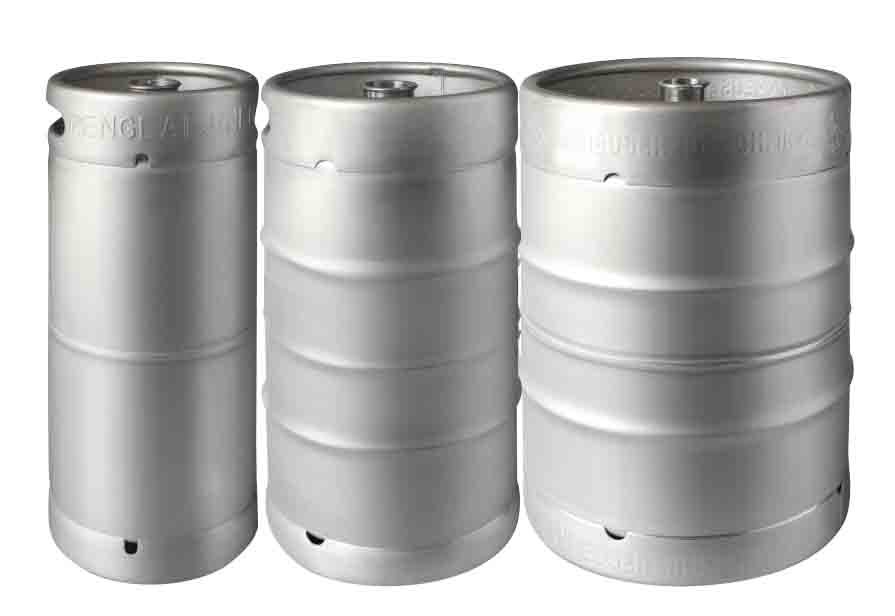
Early kegs were predominantly made from aluminum. While lightweight, its malleability was a critical weakness. Aluminum kegs were prone to deformation and, due to their scrap value, were frequently stolen, making them a rare sight today.
Modern kegs are universally crafted from 304 stainless steel. This material is robust, corrosion-resistant, and provides better protection for beer flavor. The manufacturing process is similar to that of an aluminum can: stainless steel circles are stamped and formed into top and bottom halves, which are then joined via TIG (tungsten inert gas) welding around the middle, resulting in a wall thickness of about 1.5 mm. The neck and chimes are subsequently welded onto to complete the familiar keg shape.
How Temperature Impacts Keg Safety
Even robust stainless steel kegs can fail under extreme temperatures.
- Expansion: When a keg is heated (e.g., left in a car in the sun), the beer inside expands in volume. If there isn’t sufficient headspace (at least 0.8 L to handle warming to 70°C), internal pressure can skyrocket, potentially causing the keg to rupture.
- Freezing: Placing a keg in a freezer is equally hazardous. As the water in beer freezes, it expands. This immense pressure can permanently deform or rupture the keg.
Fortunately, reputable manufacturers pressure-test all kegs before they leave the factory, ensuring a safety margin far beyond standard operating pressures (e.g., our 90 psi test pressure vs. 30 psi operating pressure).
The Core Component: Keg Spear
The spear is the precision valve inserted into the keg’s neck, responsible for gas injection and beer extraction. While global standards vary, every spear consists of four basic parts:
- Body: The connection point between the spear and the keg, often featuring anti-theft locking rings or threads.
- Stem: A long tube reaching near the keg’s bottom, often into a sump, to draw out most of the liquid.
- Seal: Keeps the keg closed until a coupler is attached.
- Spring: Holds the seal in place. Attaching a coupler compresses the spring, moving the seal and opening the pathways.
Conclusion
【From Container to System: Building a Reliable Keg Cycle Foundation】
Just as a qualified keg is the foundation for safe transport and quality, an efficient Keg Recovery and Tracking Management System is key to reducing costs and improving efficiency for a modern brewery. Tiantai offers end-to-end solutions, including smart keg leasing, washing, filling, and logistics tracking, allowing you to focus on brewing, not container loss or logistics.