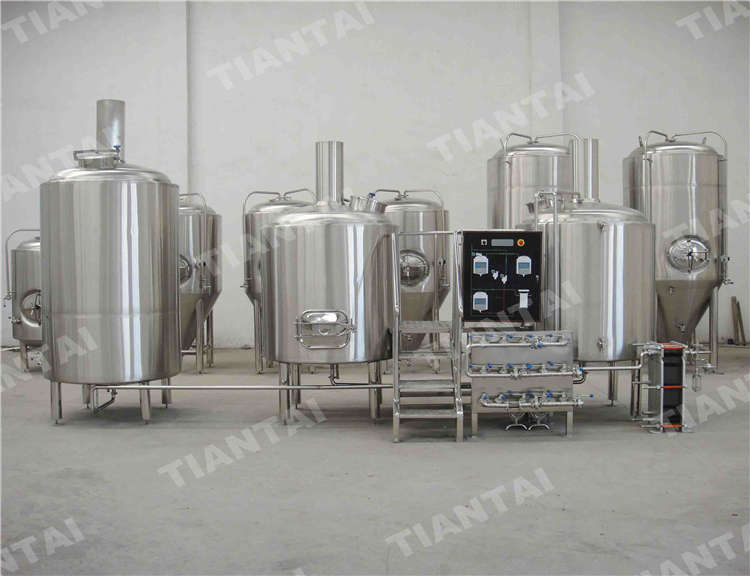
Driven by both consumption upgrading and industrial upgrading, the craft beer market is witnessing a diversified competitive landscape. Small-scale craft breweries (hereinafter referred to as “microbrewery”) and medium-to-large craft breweries (hereinafter referred to as “craft brewery”) have formed a differentiated competitive posture based on their respective resource endowments. The logic behind the construction of their core competitiveness and their market adaptability is worthy of in-depth exploration. Based on industry practice data and market development laws, this article conducts a systematic analysis from three core dimensions: production and operation, marketing strategies, and optimization paths.
I. Production and Operation System
(I) Equipment Configuration and Production Capacity
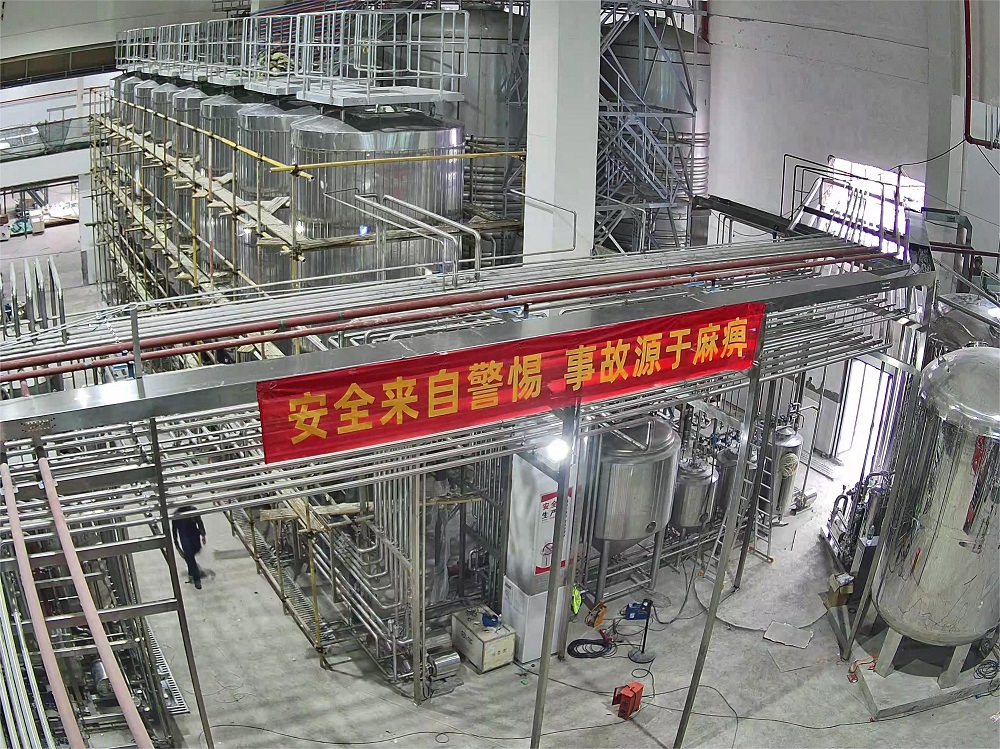
Microbrewery generally adopt small-scale brewing equipment ranging from 500L to 3000L, with their core advantage lying in production flexibility. They can quickly adjust mashing processes and fermentation parameters to achieve small-batch, multi-batch production, which is well-suited to the supply-demand balance of localized niche markets. In contrast, craft brewery adopt continuous production, boasting high brewing efficiency and large output per batch.
(II) Automation Level and Labor Costs
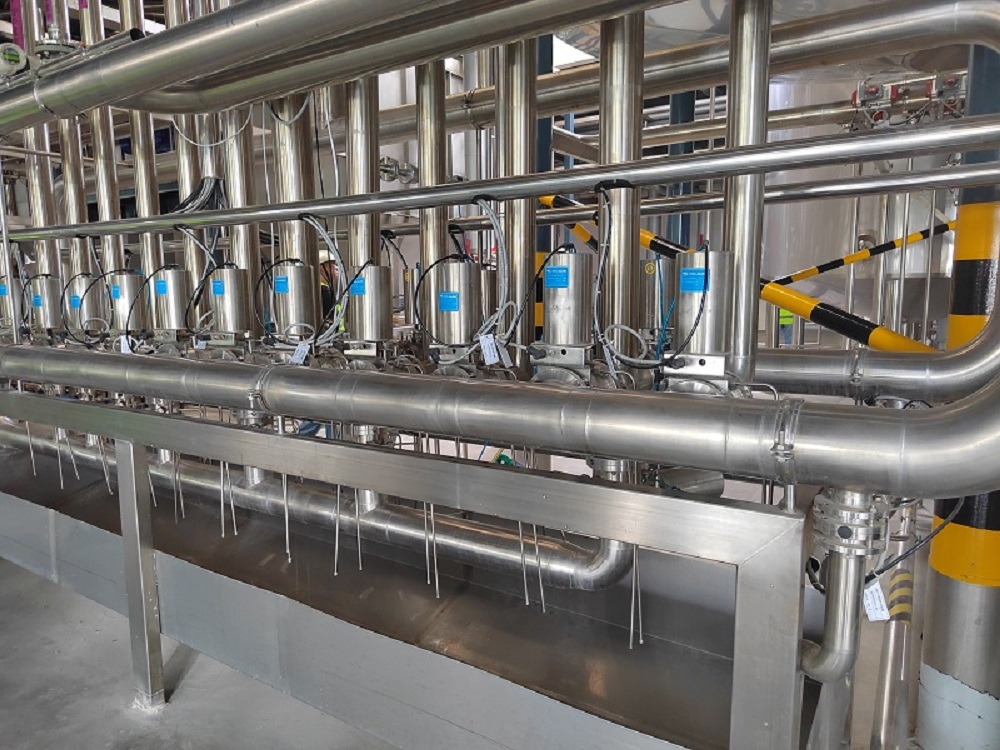
Microbrewery mainly rely on “handcrafted brewing + basic mechanical assistance,” with an automation coverage rate usually below 30%. They are highly dependent on the technical proficiency of brewers, and their core team size is mostly 5-10 people. Craft brewery, however, have an automation coverage rate generally exceeding 70%, and some enterprises have realized full-process intelligent control from raw material processing to finished product filling. Although they need to deploy professional technical teams for equipment maintenance and process R&D (with a core team size of 50-200 people) and their per capita direct costs are 30%-50% higher than those of Microbrewery, the unit cost is amortized through large-scale production, resulting in returns significantly higher than the industry average.
II. Market Strategy and Core Competitiveness
(I) Target Market and Customer Positioning
Microbrewery focus on in-depth localized penetration, targeting community consumers and craft beer enthusiasts as their core customer groups. They strengthen emotional connections through scenario-based services integrating “brewing + experience,” catering to consumers’ demand for personalized and niche products. Craft brewery, on the other hand, aim for regional coverage and national layout. In addition to serving the mass consumer group, they can also connect with catering and supermarket retail channels and provide beer contract brewing services. Relying on brand influence to achieve large-scale sales, their core appeal lies in market share and user base expansion.
(II) Product Strategy and Differentiation Paths
The core competitiveness of Microbrewery lies in their speed and degree of product innovation—they can launch 1-2 limited-edition or seasonal products on average per month. By integrating local ingredients (such as regionally characteristic fruits and spices) to develop unique flavors, they form a “small but exquisite” product matrix, with the number of SKUs usually maintained at 10-20. Craft brewery, however, focus on product stability and the iteration of classic styles. They ensure product consistency across national channels through standardized production. At the same time, some enterprises are equipped with 500L-1000L pilot equipment for niche product R&D and market testing, balancing large-scale output and innovation.
(III) Comparison of Core Competitiveness Dimensions
| Competitive Dimensions | Microbrewery | Medium-to-Large Craft Brewery |
| Core Advantages | Flexible market response, fast innovation iteration, strong community stickiness | Significant economies of scale, strong cost control capabilities, mature brand, and channels |
| Competitive Barriers | Local recognition, flavor uniqueness, and experiential scenarios | Brand premium, supply chain efficiency, channel coverage rate |
| Risk Points | Production capacity constraints, insufficient standardization, and weak risk resistance | Insufficient innovation flexibility, high organizational management costs |
Conclusion
The essence of competition in the craft beer market is a differentiated game between “scale efficiency” and “individualized value.” Microbrewery need to focus on localization, personalization, and scenarioization, and build niche track barriers through in-depth operation and innovation breakthroughs. Craft brewery, on the other hand, must rely on large-scale production, brand momentum, and an omnichannel approach to consolidate their dominant position in the mass market. In the future, the two types of enterprises will not be in a zero-sum game, but will jointly promote industry expansion through complementary competition—Microbrewery injects innovative vitality into the industry, while Craft brewery leads the standardized and large-scale development of the market. With the continuous upgrading of consumer demand and the continuous improvement of the industrial ecology, the craft beer industry will usher in a new development pattern of symbiosis and common prosperity between “large and strong” and “small and exquisite.”