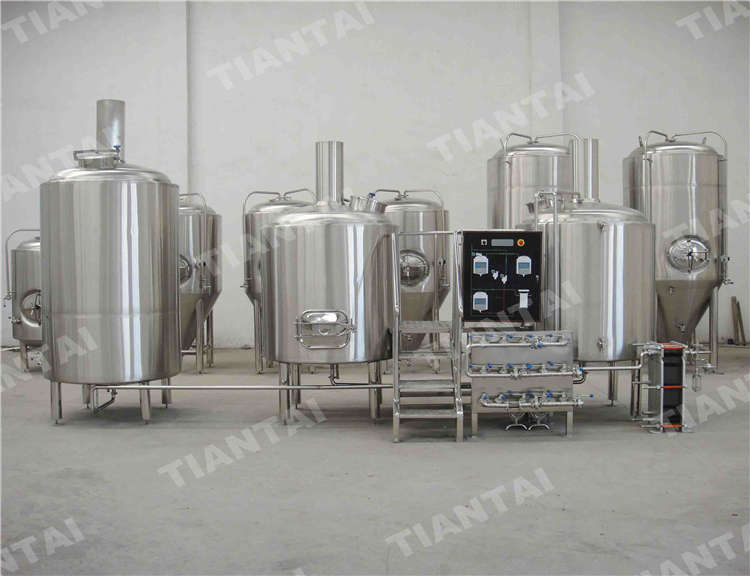
Breweries in hot climates work under tighter thermal margins. Fermentation is an exothermic process, and if temperature rises too high, yeast metabolism can shift and produce undesirable flavors. Beer quality also changes during storage, with warmer conditions accelerating staling and reducing aroma freshness. Industrial beer pasteurization is commonly used to extend shelf life, but heat treatment can negatively affect freshness and flavor, which makes temperature control and preventive maintenance especially important in hot regions.
That is why a brewery maintenance plan in a hot climate should not only cover machinery inspection. It should also cover cooling performance, cleaning effectiveness, yeast handling, electrical continuity, and packaging stability. In practice, the best maintenance program is the one that protects product quality before failures become visible in the tank or in the glass.
Put fermentation temperature control at the center of maintenance
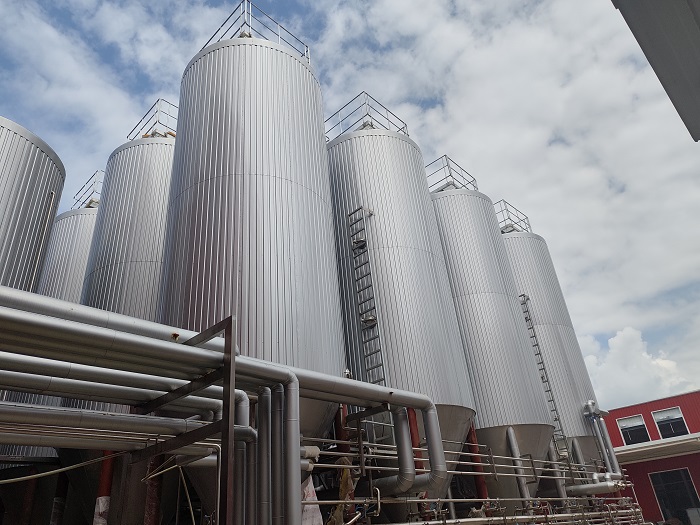
In hot weather, fermentation temperature control is the first system that should be checked every day. Insulation on fermenters, glycol circulation, temperature probes, and automatic alarms all need routine verification because fermentation heat can build quickly and push beer outside the desired flavor range. A small temperature drift can become a batch-quality problem if it is left unchecked.
A practical maintenance routine should include checking glycol supply temperature, cleaning sensor pockets, inspecting insulation jackets, confirming valve operation, and verifying that cooling pumps cycle correctly. Operators should also record temperature trends by tank so that repeated hot spots can be corrected before they affect product consistency.
Treat sanitation as a quality-control system, not just a cleaning task
Beer spoilage microorganisms remain one of the main risks in brewery operations. Recent reviews continue to identify lactic acid bacteria such as Lactobacillus and Pediococcus, along with spoilage yeasts and other microbes, as recurring contamination concerns in beer production. That means CIP systems, hose handling, drain hygiene, and yeast-recovery procedures all belong in the maintenance plan.
For breweries that repitch yeast, the yeast-handling SOP should be especially strict. Published work has shown that cold acid washing can reduce contaminants when carried out under controlled conditions, including low temperature and acidic pH. The exact process must always follow validated brewery procedures, but the maintenance lesson is clear: yeast recovery equipment, dosing accuracy, temperature control, and sanitation discipline all matter.
Inspect cooling, refrigeration, and insulation on a fixed schedule
Storage temperature has a direct effect on beer freshness, aroma retention, and staling rate. A recent review found that beer’s taste, aroma, and colloidal stability continue to change during storage, and that colder storage helps preserve desirable flavor traits for longer. In hot climates, this makes refrigeration performance and insulation integrity core maintenance items rather than optional upgrades.
A brewery should regularly inspect glycol chillers, insulated lines, heat exchangers, tank jackets, compressor condition, and cold-room seals. If one of those components fails, the result is often not an obvious breakdown but a slow quality loss: warmer beer, unstable carbonation, higher dissolved oxygen risk, and shorter shelf life. That is why maintenance logs should track both mechanical faults and quality deviations.
Make power continuity part of the maintenance plan
This is especially important for markets with unstable electricity. In Angola, World Bank data show access to electricity remains limited, and Afrobarometer reports that fewer than half of Angolans enjoy a reliable supply of electricity; the World Bank also tracks economic losses from outages among affected firms. For breweries, that means cooling protection, backup generation, and safe restart procedures are not “extra” items. They are part of routine operational reliability.
For hot-climate breweries, the maintenance checklist should therefore include generator testing, automatic transfer switch checks, fuel management, UPS support for controls, and restart procedures for chillers and pumps after interruptions. A brewery that loses cooling for a few hours in a hot environment can face a much larger quality problem than a brewery in a milder climate.
Keep water, steam, and CIP utilities under control
Water quality is a brewery-wide issue because it affects mashing, rinsing, CIP, and final beer consistency. In hot climates, utility systems also work harder, so pump seals, valves, softeners, filters, and dosing equipment should be checked more often. If the brewery uses steam for heating or sanitation, then boiler water treatment, condensate return, and trap inspection should be included in the same plan.
A simple rule works well here: anything that touches product, cleaning chemistry, or thermal stability deserves preventive maintenance before it becomes a production problem.
Do not ignore packaging and cold-side equipment
Packaging is where many breweries lose product quality after spending good money in the brewhouse. If beer leaves the cellar warm, oxygen pickup rises, carbonation can drift, and flavor stability weakens faster. Since warm storage speeds beer aging, fillers, seamers, kegging lines, and bright-beer tanks should be checked for leaks, wear, and CO2 efficiency on a routine basis.
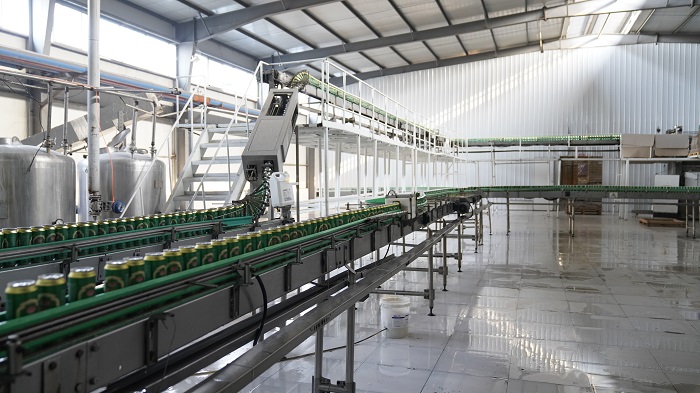
For breweries bottling or canning in hot regions, maintenance should also cover filler sanitation, seal integrity, pre-evacuation settings where applicable, and dissolved oxygen control. A brewery that keeps cold-side equipment stable will usually see better shelf life and fewer customer complaints.
Use a simple preventive maintenance schedule
A workable schedule is more useful than a complicated one. A hot-climate brewery can structure maintenance like this:
- Daily: check tank temperatures, glycol performance, alarms, leaks, and cleaning status.
- Weekly: inspect pumps, valves, hose conditions, filters, and cold-room seals.
- Monthly: verify calibration, electrical panels, compressor condition, CIP dosing, and generator readiness.
- Quarterly: inspect insulation, gaskets, heat exchangers, yeast-handling equipment, and packaging wear parts.
- Annually: service chillers, pressure systems, boilers, instrumentation, and backup power systems.
This schedule is easy to explain to investors, production managers, and technicians, and it supports both product quality and equipment life.
Why this topic matters there
Angola is a strong example of why hot-climate maintenance matters. Power reliability remains a real constraint, and the combination of heat, production growth, and utility instability makes temperature control and backup planning essential. The same logic applies across many equatorial and tropical area where breweries must protect product quality while operating in demanding conditions.
Conclusion
A brewery maintenance plan for hot climates should focus on five things: temperature control, sanitation, cooling reliability, power continuity, and packaging stability. Breweries that manage those five areas consistently will reduce downtime, improve shelf life, and protect brand reputation.
About Tiantai: We build commercial brewing equipment for demanding environments. Our tropical climate systems include oversized cooling capacity, corrosion-resistant materials for coastal installations, and automation platforms designed for markets with variable power quality. From brewhouse to packaging line, we help breweries operate reliably anywhere in the world.