The five key equipment-related concerns of craft brewing investors

According to the 2025 Craft Brewing Industry Investment Research, investors planning to open a craft beer bar or brewery should prioritize the following device selection dimensions, as these are critical factors influencing project success:

I. Capacity Compatibility: How can one avoid “overpaying and wasting funds” or “insufficient production capacity”?

Key Issue: Startups fear “over-investment,” while scaling producers worry that equipment can’t keep up. Small craft breweries often choose high-capacity equipment initially, resulting in over 40% idle rate in the first year, whereas 32% of workshops face missed market opportunities due to inadequate capacity.

Critical Consideration: Precise scenario-based calculations are essential—if the bar’s average daily sales are under 500L, selecting equipment below 500L split units suffices; for regional breweries with monthly sales over 5000L, equipment capacity should accommodate at least 20-30% expansion space to avoid secondary investments in the short term.

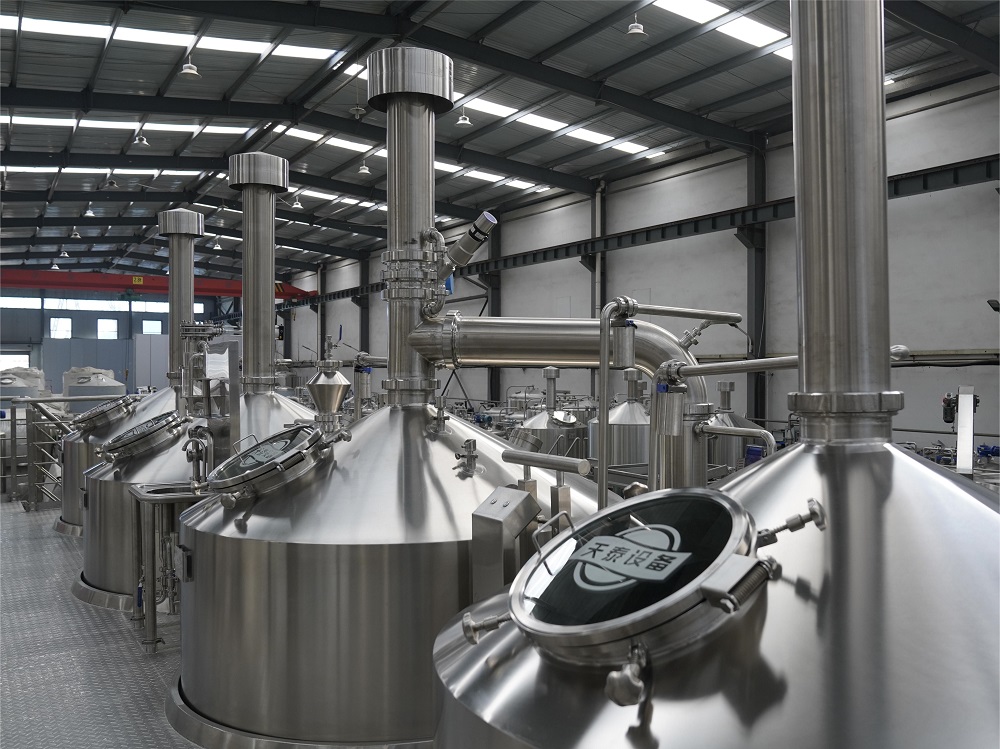
天台ビール設備

II. Cost Control: How to ensure every investment is efficiently utilized?

Key Issue: Limited startup budgets and concerns about paying for unnecessary features; during expansion, fears of equipment obsolescence. Research indicates that fixed-package equipment under the same capacity can be 30-50% more expensive than demand-based configurations. Full replacement during expansion can incur 50% higher costs compared to upgrades.

Critical Consideration: Prioritize modular devices that can be expanded or reduced according to needs (such as automated control systems), avoiding one-time purchase of all-in-one high-end equipment. Also, focus on device compatibility to facilitate future upgrades without redesign.

III. Process Compatibility: Can the equipment support the development of specialty beer varieties?

Key Issue: Desire to differentiate with unique flavors, but worry about equipment limitations. Data shows that 75% of trendy craft bars attract customers through specialty beers (like IPAs, fruit-flavored ciders), which require specific equipment features.

Critical Consideration: Mashing systems need precise temperature control (within ±0.5°C); fermentation tanks must accommodate different processes (e.g., acid-tolerant tanks for sour beers, low-temperature tanks for lagers), with interfaces for flavor modules (such as dry hop installations, oak barrel aging units).

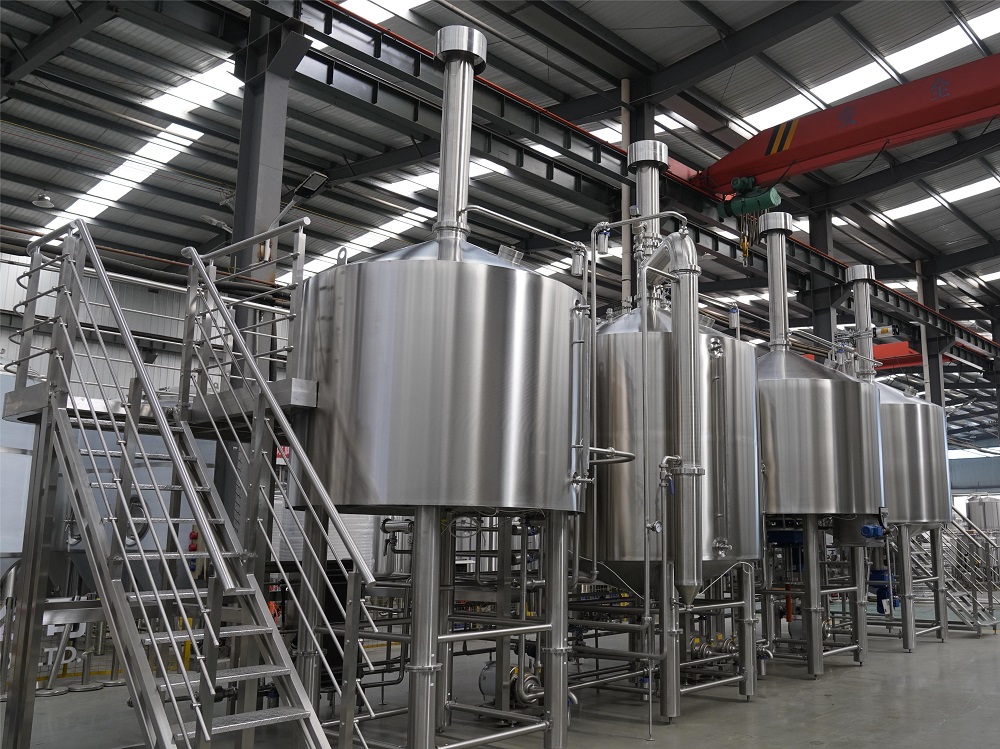
Craft beer brewing equipment-Tiantai

IV. Quality Assurance: Which details influence beer flavor and safety?

Key Issue: Concerns that poor material quality may impact flavor or pose hygiene risks. Industry data indicate that inferior steels can cause metallic off-flavors, while poor sealing and cleaning difficulties increase microbial contamination risks.

Critical Consideration: Contact surfaces must use food-grade 304/316L stainless steel with a mirror-polished finish (≤0.4μm), with no ergonomic blind spots; equipped with CIP automatic cleaning systems to reduce manual error and ensure compliance with food safety standards.

V. After-Sales Support: How to prevent equipment failures from sabotaging operations?

Key Issue: Lack of professional brewing expertise leads to complications during installation and maintenance. Research shows over 30% of craft startup failures are due to improper equipment setup, causing delays of 1-3 months, and outages not repaired within 48 hours can result in daily losses exceeding ten thousand yuan.

Critical Consideration: Choose manufacturers providing comprehensive lifecycle services—including on-site installation, brewing training, lifelong technical support, and 48-hour response repairs—with well-stocked spare parts and recipe support databases.

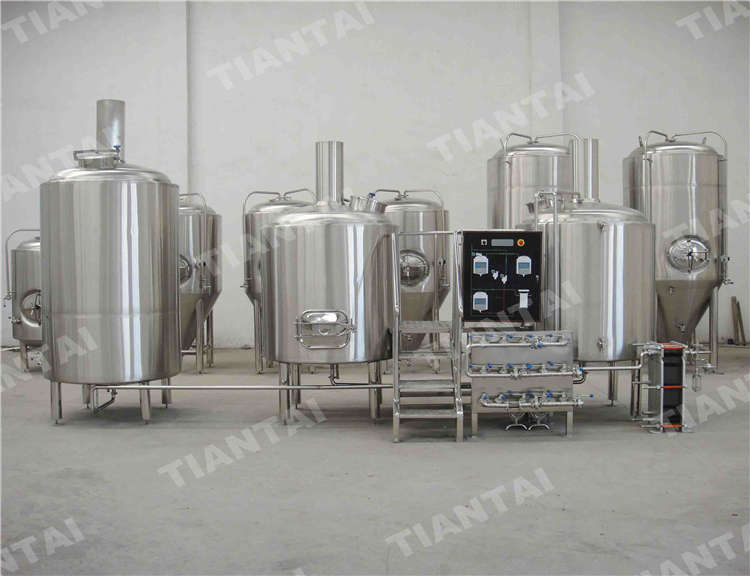
Craft brewery equipment-Tiantai

Choosing the right equipment involves aligning capacity, process requirements, and quality standards with cost management; selecting a manufacturer that understands industry needs, operational demands, and service excellence is equally vital. Whether aiming to establish a boutique craft beer bar or a regional flagship brewery, equipment selection should be based on comprehensive assessments of capacity requirements, production standards, and long-term operational value.

トップに戻る