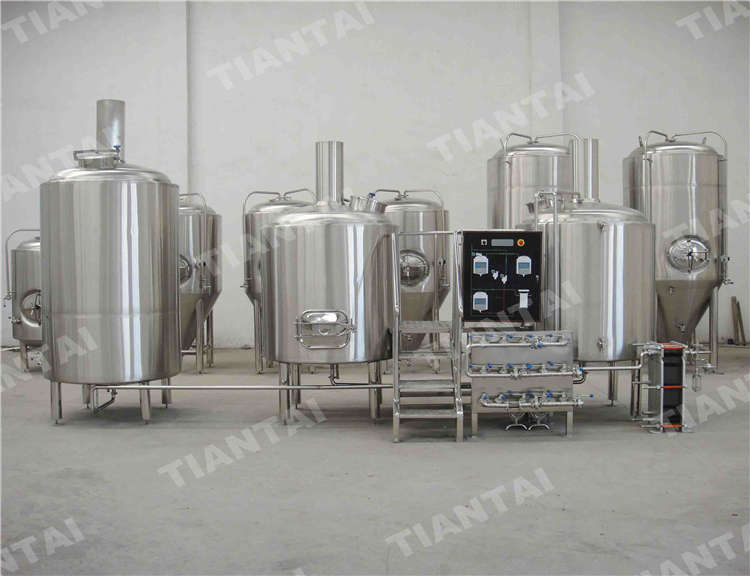
In the craft beer production process, the structural design and operational control of the Mash Tun Agitator dictate the suspension state of malt particles, the uniformity of the temperature field, and enzymatic hydrolysis efficiency, ultimately influencing wort yield, color, and clarity. Only through compatible structural design, precise operation, phased control, and scientific Mash quality testing can stable, efficient, and high-quality Mash Process production be achieved.
I. Mash Tun Agitator
The Mash Tun Agitator is not a simple mixing device but a precision process component that manages mass transfer, heat transfer, oxygen control, scorching prevention, and enzyme protection. Modern brewing equipment has developed a standardized, modular, and specialized design system.
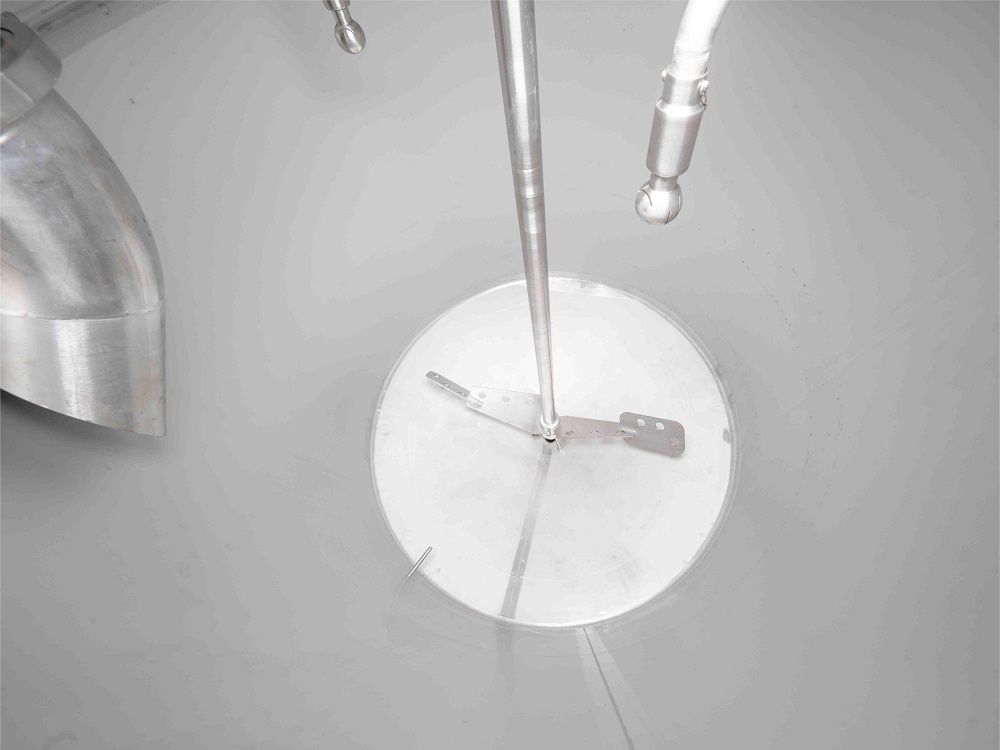
Primary Functions
- Ensures thorough wetting and contact between milled malt and Mash Process water, breaking up dry clumps, eliminating localized concentration differences, and preventing “partially mashed” areas to guarantee mash reaction consistency.
- The bottom jacket heating can create localized high-temperature stagnant zones. Agitation, through forced convection, continuously renews the liquid layer at the heating surface, preventing scorching, burning, and excessive Maillard reactions, thereby preserving the purity of the wort’s flavor.
- Convection facilitates ample contact between alpha-amylase, beta-amylase, proteases, and their substrates, accelerating the degradation of starch and proteins. This enhances raw material utilization and wort yield.
- Provides suitable flow fields and shear forces to maintain uniform suspension of malt particles, preventing settling and stratification. Simultaneously, it avoids excessive shear that could damage malt structure or inactivate enzymes.
Operational Parameters
During actual operation, the Mash Tun Agitator requires precise parameter settings to balance mixing effectiveness, heat transfer efficiency, and the enzymatic reaction environment.
- Speed Control: The linear velocity should generally not exceed 3 m/s. Excessive speed increases shear forces, leading to enzyme inactivation, intensified mash oxygenation, and deeper wort color. Insufficient speed results in inadequate suspension and a tendency for scorching. The specific rotational speed must be adjusted based on the Mash Tun diameter and process requirements.
- Agitation Power: This is typically correlated with Mash Tun volume; for instance, larger Mash Tuns require higher drive power to ensure full-volume convection.
Throughout the beer brewing process, the Mash Tun Agitator operation must adhere to the principles of “enzyme protection, oxygen control, temperature control, and energy conservation,” requiring differentiated management according to the needs of each distinct stage.
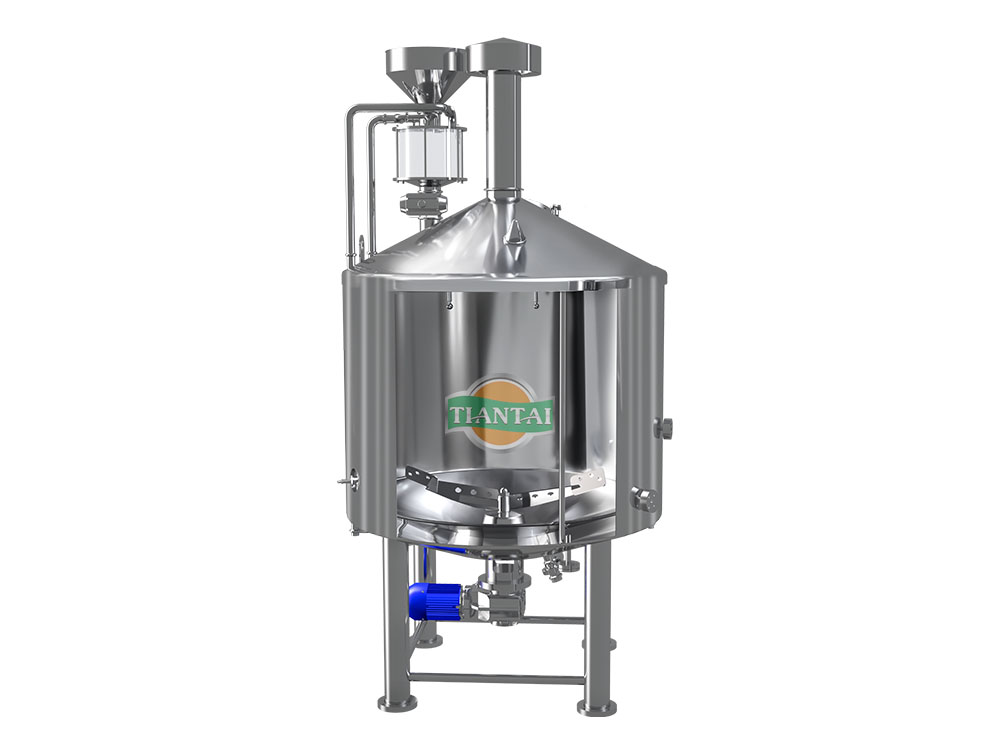
II. Mash Process Operating Standards
Mash Process is not a constant agitation procedure. During the mashing-in phase, the agitator must remain continuously engaged. For the protein rest phase, it is typically recommended to deactivate agitation. While agitation theoretically promotes protein solubilization, its impact on degradation is marginal in actual production. Static operation conserves energy and minimizes mash disturbance and oxygen ingress. Brief, low-speed auxiliary agitation should only be employed if malt modification is poor or significant stratification occurs.
During the mash rest phase, agitation requires a balanced approach. Maintaining a static rest throughout minimizes dissolved oxygen and prevents excessive color development. However, with suboptimal malt quality or a tendency for mash stratification, intermittent low-speed agitation is necessary to ensure homogeneity. Following the mash process, during lautering, agitation must cease to leverage gravity for the preferential pumping of the wort. Conversely, during secondary mash consolidation or when pumping to the lauter tun, low-speed agitation should be activated to prevent particle settling and pipe blockage, ensuring uniform transfer.
In routine maintenance, after CIP cleaning, the agitator shaft seals must be meticulously inspected for leaks. High-speed operation without a load is prohibited to prevent bearing damage. Agitator speed must be adjusted promptly based on mash viscosity to avoid overload or insufficient mixing.
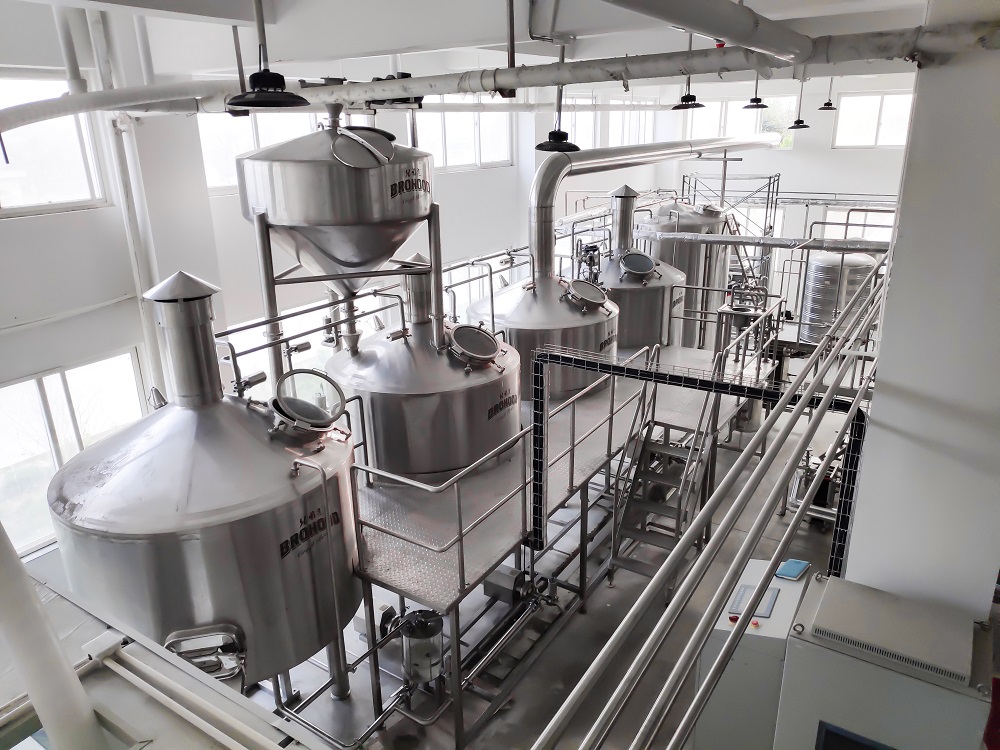
Agitation within the mash tun is not a simple on/off function but a sophisticated control mechanism integrated throughout the mash process. By appropriately designing and operating the mash tun agitator, brewers can effectively manage temperature gradients and enzyme activity during the mash, achieving a mash that meets process specifications. Tiantai offers comprehensive solutions from equipment customization and process commissioning to operational training. For those seeking professional brewing equipment, we welcome inquiries for exclusive technical support and tailored solutions.