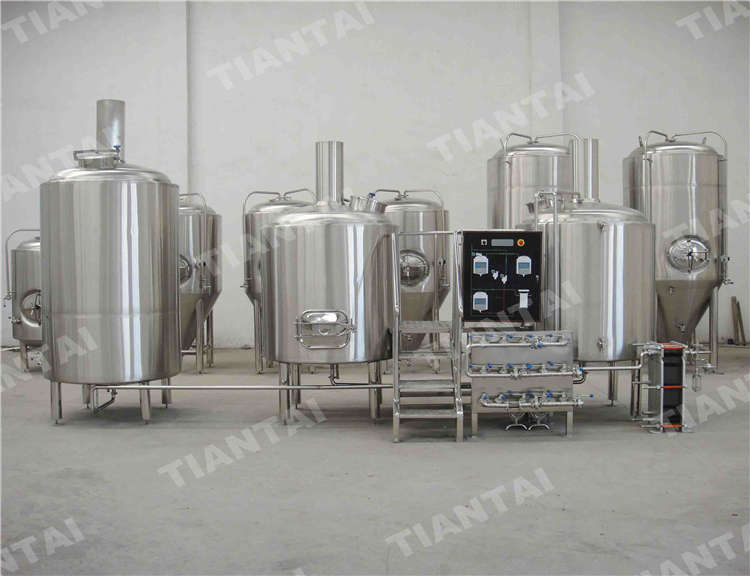
Many craft beer bars attracted large numbers of consumers when they first opened, thanks to their unique positioning and innovative business model, and were bustling with activity. After a brief period of prosperity, they quickly fell into operational difficulties and were forced to close down. This phenomenon is not an isolated case but a common occurrence in the industry, and the underlying issues it reflects deserve our in-depth investigation.
Heavy Rent, Thin Profits
For craft beer bars, rent often constitutes a large portion of operating costs. Under such rent pressure, bar owners need to sell a large volume of drinks just to cover costs. While a glass of IPA may seem to offer a decent gross profit, after deducting high rent, labor costs, and raw material costs, the actual profit is minimal. When a bar is located near office buildings, the consumption time is concentrated in a short period after getting off work, resulting in limited customer traffic; while opening in a residential area, it faces competition from convenience stores offering low-priced beer. As a result, meager profits are insufficient to sustain the bar’s long-term operation.

Equipment and Site Selection Synergy
Site selection is as important to craft beer bars as the foundation of a building, directly determining the future development of the bar. Take a craft beer bar near an office building as an example: while customer traffic is relatively limited due to the concentrated after-work hours, its advantage lies in the spending power and quality-conscious lifestyle of the surrounding office workers. Therefore, small, efficient craft beer brewing equipment is more suitable for these bars. Small equipment has a small footprint, operating efficiently within limited space to meet the bar’s brewing needs within a limited time. Simultaneously, efficient equipment can brew high-quality beer quickly, ensuring customers can enjoy fresh craft beer promptly after getting off work.
As a craft beer equipment manufacturer, we thoroughly understand the bar’s location when communicating with clients, including factors such as the surrounding consumer base, spending power, and competitive environment, to provide the most suitable equipment solution. For unique craft beer bars located in niche, artsy districts, we offer custom-designed equipment to match the bar’s unique style, creating a distinctive consumer experience. Only when equipment and site selection are perfectly synergistic can a solid foundation be laid for the successful operation of a craft beer bar.

Equipment Aids Cost Control
For craft beer bar owners, high rents significantly increase operating costs, severely compressing profit margins.
Faced with this dilemma, Shandong Tiantai Beer Equipment plays a crucial role in cost control. Our equipment design fully considers energy conservation, employing innovative technologies to reduce brewing energy consumption, thereby helping bar owners alleviate cost burdens.
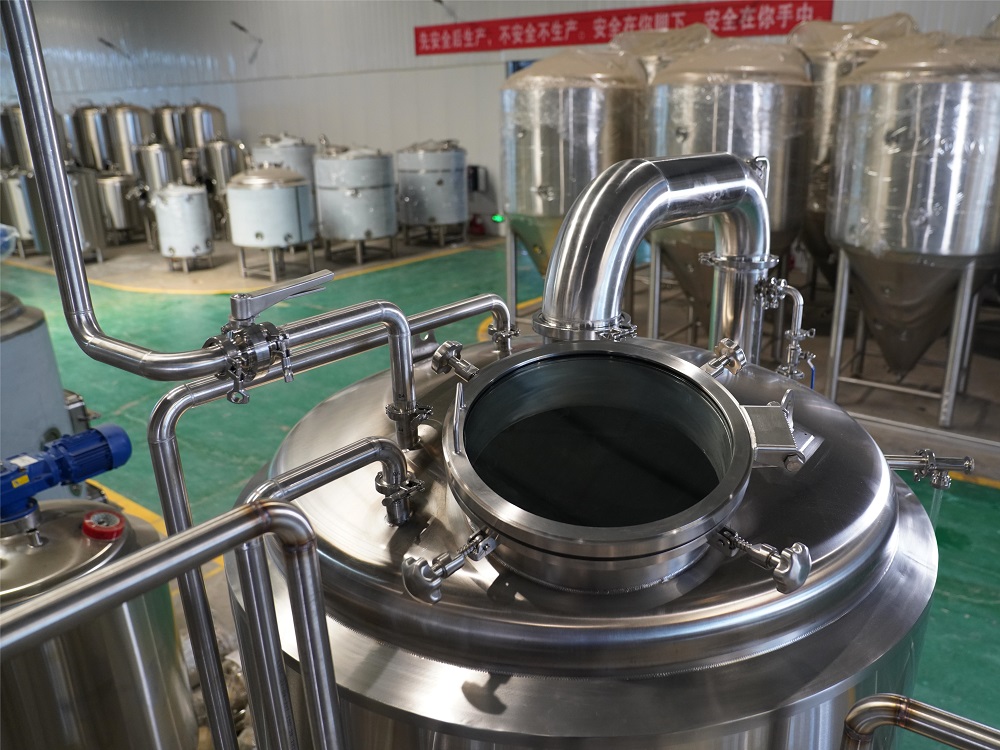
Heat Recovery System Reduces Energy Consumption
Craft beer brewing consumes a significant amount of heat. Tiantai equips its brewing equipment with a heat recovery system, recovering and reusing waste heat generated in these processes. For example, during the wort boiling stage, the waste heat from the steam condensate can be used to preheat cold water, preparing for the next brewing cycle. Experimental data show that equipment using heat recovery technology can reduce steam consumption by 20%-30%, meaning a substantial reduction in energy costs for the bar.
High-efficiency motors and variable frequency technology enable precise control
The pumps, agitators, and other power equipment in equipment utilize high-efficiency motors, combined with a variable frequency control system, allowing for dynamic power adjustment based on production needs. Compared to traditional equipment, craft beer brewing equipment using high-efficiency motors and variable frequency technology can reduce energy consumption by more than 15%, which will save bars a considerable amount of electricity costs in the long run.
Intelligent temperature control and automated management prevent waste
By integrating PLC (Programmable Logic Controller) or Internet of Things (IoT) systems, craft brewing equipment can monitor its operating status in real time and accurately adjust parameters such as temperature and pressure. Precise temperature control during fermentation is crucial for beer quality and also affects energy consumption. Intelligent temperature control systems can precisely maintain the temperature of the fermentation tank within a set range, avoiding over-cooling or overheating caused by excessive temperature fluctuations, thus reducing energy waste. Furthermore, automated management systems can automatically complete various operations according to preset brewing programs, reducing errors and energy waste that may result from manual intervention.
Optimizing the Atmosphere and Enhancing Comfort
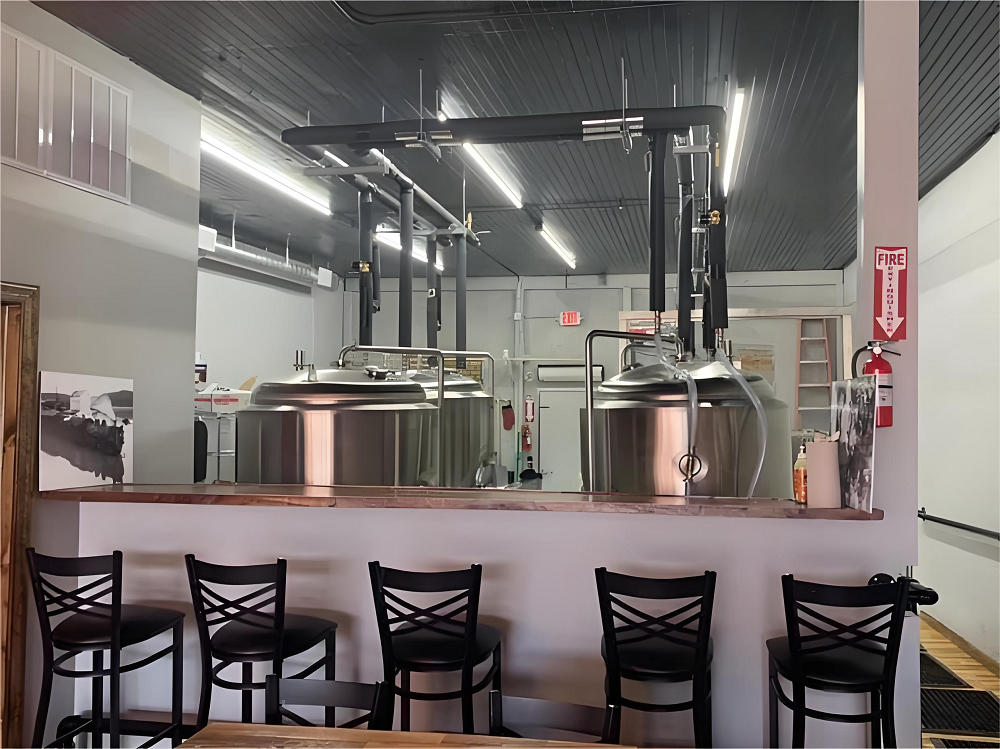
The ambiance of a bar is a crucial factor influencing the customer experience. When designing the layout of craft beer brewing equipment, consider an open layout, showcasing the equipment as part of the bar space. This allows customers to observe the brewing process up close and experience its charm. The equipment’s design should also complement the bar’s style. For example, in an industrial-style bar, choose equipment with sharp lines and a strong metallic feel; in a retro-style bar, pair it with rustic equipment incorporating vintage elements to enhance overall visual harmony.
For craft beer bar owners, they should not only focus on traditional business models, but also fully recognize the importance of craft beer equipment in bar operations. From equipment selection and configuration to using equipment to create unique business strategies, in-depth thinking and careful planning are required. Only in this way can craft beer bars not only become places for consumers to relax, but also become commercial entities with lasting vitality and profitability, and only then can the passion for craft beer be transformed into sustainable business success.