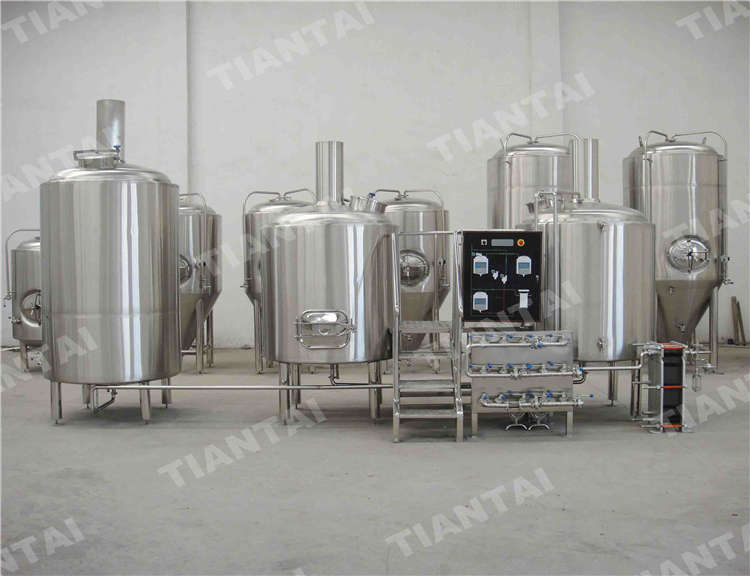
Once empty beer kegs are collected at the brewery, they must undergo a series of standardized recycling procedures before they can be reused for beer bottling. For the brewing process, strict cleaning and kegging standards are core elements in maintaining stable and safe beer quality. This article aims to systematically describe the standardized operations throughout the entire process from keg collection to refilling and analyze its crucial role in beer quality control.
Step 1: External Washing & Initial Inspection
Returned kegs first enter the production line via a conveyor. The initial step is external washing. Kegs are inverted and passed through an external washer, which successively sprays caustic and rinse water, ensuring the exterior is clean.
In highly automated lines, a special station may check that the spear is properly attached before the keg proceeds to the core equipment.
Step 2: Inverted Cleaning & Sanitization
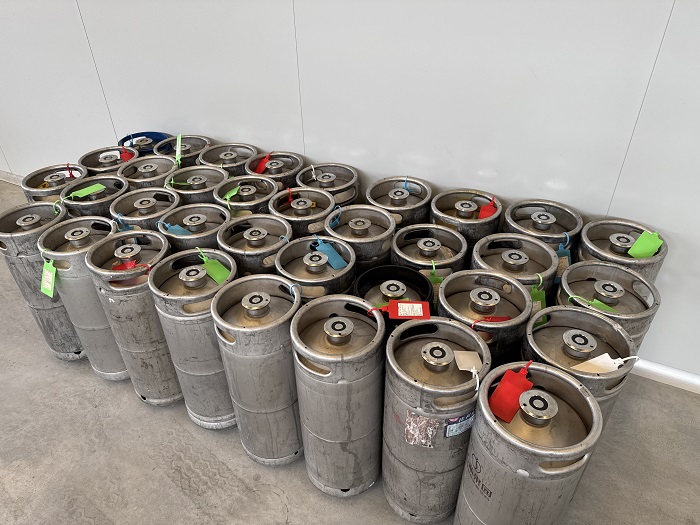
The main cleaning event happens in the Cleaner/Filler. The inverted keg is coupled to the machine, engaging the spear. The process follows a strict cycle:
- Water Rinse: Blasts out residual beer and impurities.
- Air Blow-out: Expels remaining liquid.
- Caustic Wash: Spraying a powerful cleaner. As the keg is upside down, the cleaner rushes down the stem, sprays against the keg bottom, collects at the top, and exits through the gas port, thoroughly scrubbing the interior.
- Water Rinse: Removes all cleaner residue.
- Sanitization: The most critical step, typically done by spraying a chemical sanitizer. Or rinsing with hot water at least 80–85°C, using the heat to kill all microbes.
Step 3: Non-Destructive Bottom-Up Filling
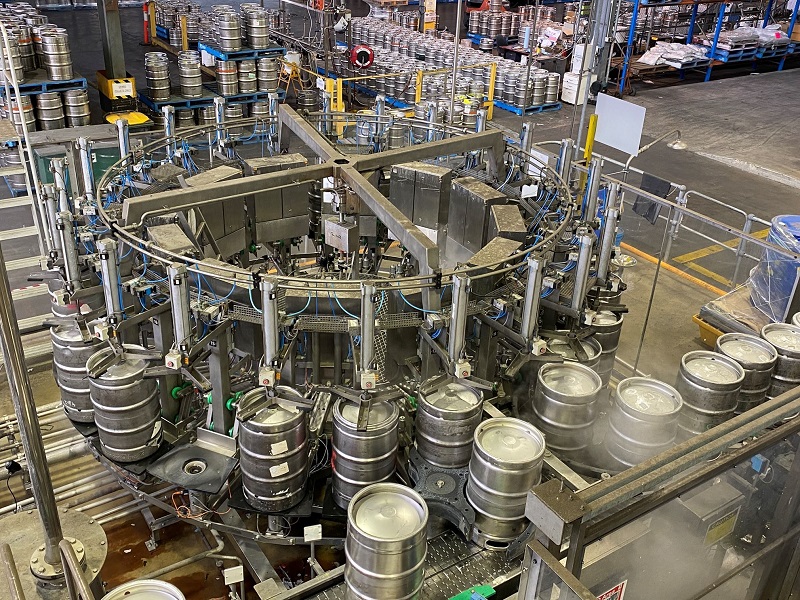
After sanitization, kegs are turned upright for filling. To prevent oxygen contact:
- CO2 Purging: CO2 is injected into the keg, purging all air and oxygen out through the spear top.
- Counter-Pressure Filling: The gas exit is restricted, building pressure inside the keg equal to that in the beer conditioning tank.
- Bottom Fill: At this equilibrium, beer is allowed to flow into the keg down the stem. This gentle, bottom-up fill pushes out the remaining CO2, preventing foam and oxidation. An electronic scale or flow meter ensures precise fill volume.
Once filled, the keg is detached, the spear exterior is cleaned, a label is applied, and a cap is fitted, signaling it’s “Ready for Dispatch” to the cold store and its next destination.
Note: Some fillers operate entirely with the keg inverted, filling through the gas port so beer still fills from the bottom up.
Conclusion
The inverted washing, hot sanitization, CO2 purging, and counter-pressure filling described herein are core to ensuring low dissolved oxygen and lasting freshness. Our Fully Automated Keg Washer & Filler is designed to execute these processes with precision, offering ease of operation and high stability, making it the reliable choice for leading breweries to guarantee quality. Get our professional Keg Washing & Filling Equipment Proposal and Tech Specs >>