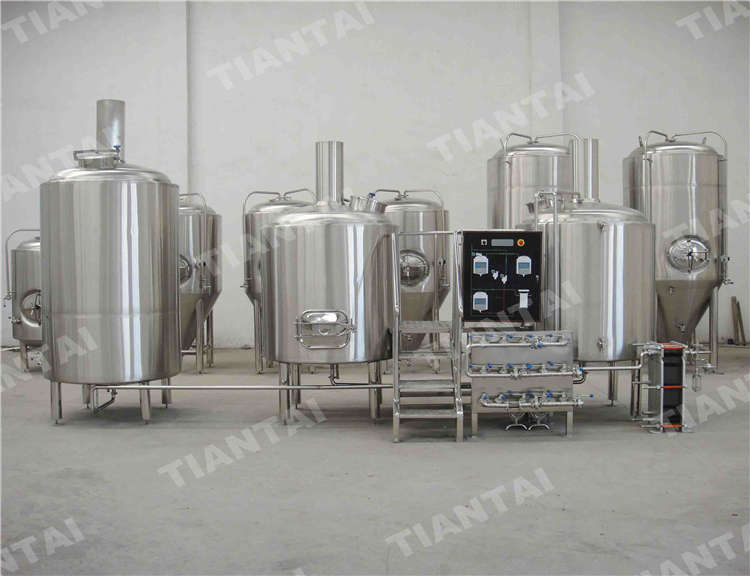
Every great beer tells a story through its bubbles. That satisfying hiss when you crack open a cold one, the steady stream of tiny bubbles rising through golden liquid, the creamy head that crowns your pint—these moments don’t happen by accident. They’re the result of precise carbonation control, a craft that separates exceptional breweries from the rest.
Carbon dioxide (CO₂) is the backbone of beer carbonation. During conditioning, brewers carefully calculate dissolved CO₂ levels to achieve the perfect mouthfeel and flavor profile. But here’s what many don’t realize: getting that carbonation from your brite tank into the package while maintaining quality requires sophisticated brewery transfer systems designed specifically for carbonated beverages.
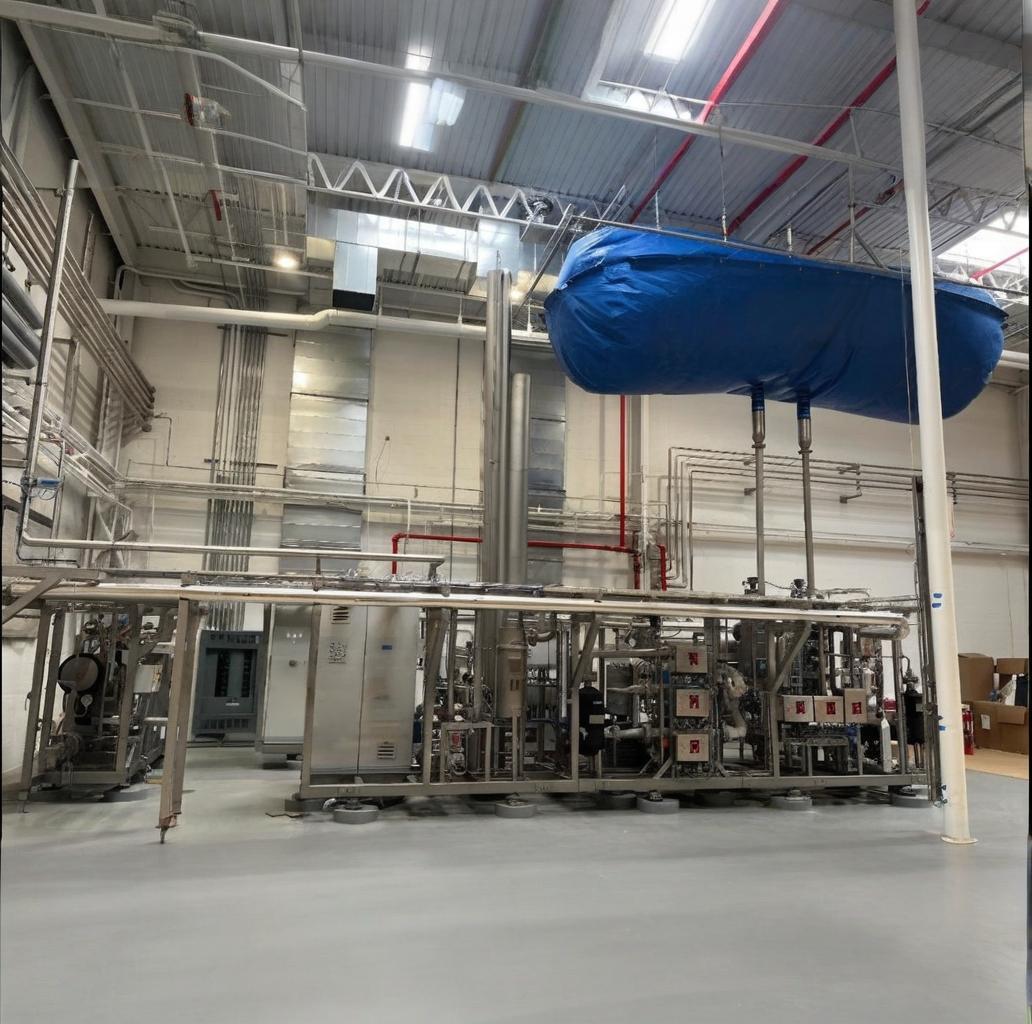
Protecting Your Investment: Pressure Management in Modern Breweries
The journey from tank to bottle, can, or keg is where many breweries lose quality. When beer moves through piping systems, friction and turbulence threaten to knock precious CO₂ out of solution—causing degassing, off-flavors, and inconsistent products.
The Challenge of Transfer Line Design
Smart brewers understand that every foot of pipe, every bend, every valve impacts their final product. In microbreweries, even short runs demand attention to flow dynamics. Macro operations face the same physics at scale. The difference? Professional-grade brewing equipment engineered to minimize pressure loss while maintaining sanitary conditions.
Key factors that impact your carbonation stability:
- Pipe diameter and length – Properly sized transfer lines reduce friction without creating dead zones
- Flow velocity control – Maintaining optimal speeds prevents turbulence that strips CO₂
- Fitting and valve selection – Quality components minimize obstruction and pressure drops
- Surface finish – Smooth interior surfaces reduce friction factors significantly
Why Equipment Choice Matters
Generic industrial piping isn’t designed for beer. Every 90° elbow, every valve, every connection point in a standard system creates opportunities for carbonation loss. Specialized brewing system components feature:
- Precision-engineered bends with minimal flow disruption
- Sanitary valves designed for low-turbulence operation
- Electropolished surfaces that reduce friction coefficients
- Modular designs that adapt to your brewery’s unique layout
Beyond CO₂: Exploring Alternative Gases in Craft Brewing
While carbon dioxide dominates the conversation, innovative brewers are experimenting with other gases to create unique drinking experiences.
Nitrogen: The Creamy Mouthfeel Secret
Nitrogen (N₂) has revolutionized certain beer styles, most famously Irish stouts. Unlike CO₂, nitrogen produces extremely fine bubbles that create that signature creamy, cascading head. The science is fascinating—nitrogen’s limited water solubility means it forms stable micro-bubbles that don’t grow aggressively.
Nitrogenation systems require specialized equipment:
- Precision gas blenders (typically 25% N₂ / 75% CO₂ for “nitro” beers)
- Restrictive plate faucets that shear gas into microscopic bubbles
- Dedicated storage and delivery systems with food-grade purity controls
The result? A beer with reduced perceived bitterness, softer texture, and visual appeal that stands out in a crowded market.
The Helium Experiment (And Why It Failed)
Gas selection depends on solubility. Helium’s extremely low water solubility means it escapes solution instantly—great for voice-changing pranks, terrible for carbonation.
This illustrates why professional gas management systems include:
- Automated purity monitoring
- Pressure regulation tailored to gas-specific solubility curves
- Safety systems for handling various compressed gases
Other Gases in Brewing Innovation
Research continues into gas interactions with beer compounds. Sulfur dioxide (SO₂) plays roles in preservation. Hydrogen sulfide (H₂S) and ammonia (NH₃) appear in trace amounts from fermentation. Understanding these interactions requires advanced analytical equipment that monitors gas composition throughout production.
The Bubble Formation Mystery
Contrary to popular belief, bubbles don’t spontaneously generate—they require nucleation sites. These microscopic imperfections on glass surfaces, dust particles, or fiber strands provide the anchor points where dissolved gases can gather and escape the solution.
This has practical implications for your serving system. Quality draft equipment minimizes unintended nucleation while promoting controlled, desirable bubble formation:
- Precision-machined faucets that control flow patterns
- Temperature-stable dispensing systems that prevent sudden CO₂ breakout
- Glassware programs that ensure proper nucleation site density
The phenomenon of “disproportionation”—where smaller bubbles merge into larger ones—explains why nitrogenated beers maintain their character longer. The tiny nitrogen bubbles resist this merging process, preserving that silky texture from first pour to last sip.
Building Your Carbonation Advantage
Whether you’re launching a new microbrewery or upgrading existing operations, your gas management infrastructure directly impacts product quality and consistency. The breweries winning medals and building loyal followings invest in systems that protect their carbonation investment from tank to consumer.
Essential System Components
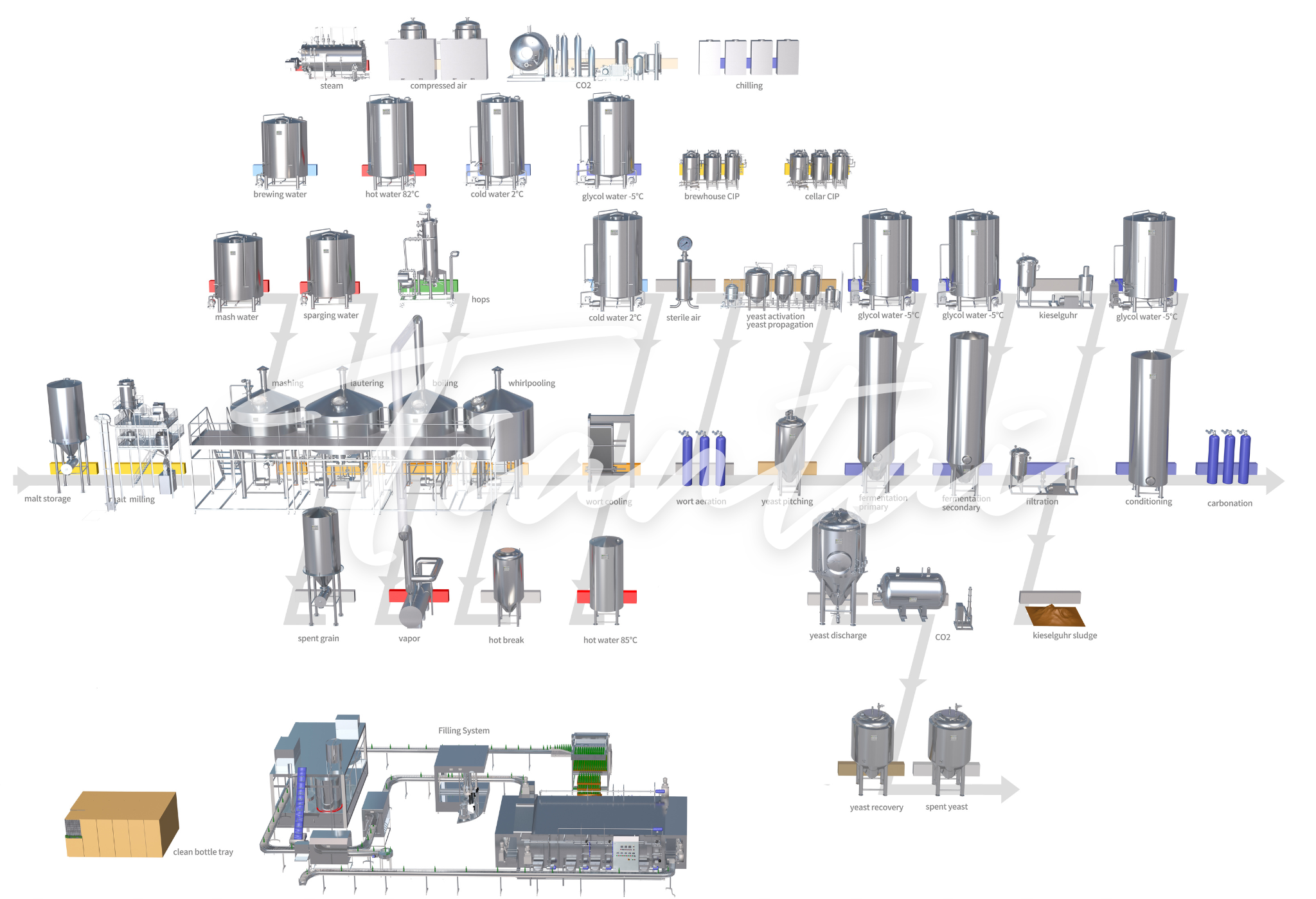
Carbonation & Brite Tanks
- Pressure-rated vessels with precise temperature control
- Integrated carbonation stones for efficient gas dissolution
- CIP (Clean-in-Place) compatibility for sanitation efficiency
Transfer & Packaging Systems
- Pump systems designed for shear-sensitive carbonated products
- Piping networks engineered for minimal pressure loss
- Automated controls that maintain consistent flow parameters
Gas Management Infrastructure
- Bulk CO₂ and N₂ storage with redundant backup systems
- Gas blenders for precise mixture ratios
- Filtration and purification to food-grade standards
Quality Control Technology
- Dissolved CO₂ meters for real-time monitoring
- Pressure sensors throughout the production line
- Laboratory equipment for gas solubility analysis
The Competitive Edge of Precision
In today’s craft beer market, consistency is king. Drinkers expect the same experience whether they’re tasting your flagship IPA at the taproom or finding it on a retail shelf three states away. That consistency starts with carbonation control—and carbonation control demands professional-grade brewing equipment.
Breweries still using modified dairy equipment or generic industrial components face unnecessary challenges:
- Inconsistent carbonation levels batch to batch
- Excessive foaming during packaging
- Shortened shelf stability
- Quality complaints from distant markets
Modern brewery-specific systems eliminate these variables, providing the control and repeatability that builds brands.
From Science to Success
Today’s integrated brewing solutions translate theoretical optimums into practical, reliable equipment that performs shift after shift.
Whether you’re carbonating with pure CO₂, experimenting with nitrogen blends, or exploring innovative gas applications, your equipment foundation determines your results. The breweries thriving in competitive markets have recognized that specialized carbonation equipment isn’t an expense—it’s an investment in product quality, operational efficiency, and brand reputation.
Ready to optimize your carbonation process? Contact our brewing equipment specialists to design a system that protects your beer’s quality from the bright beer tanks to consumer glass. From custom transfer line engineering to complete gas management infrastructure, we provide the tools that turn brewing science into brewing success.