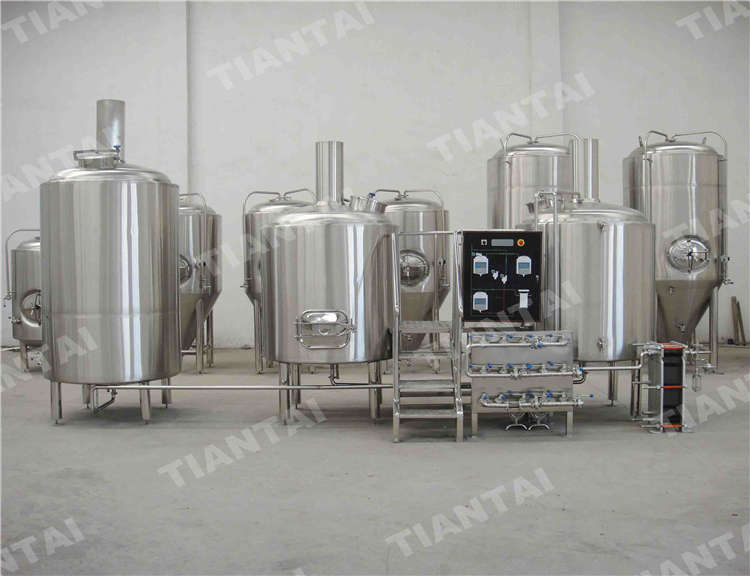
Apple cider production is a carefully controlled process that transforms fresh apples into a refined, flavorful alcoholic beverage. Each stage—from harvesting the fruit to bottling the finished cider—plays a crucial role in determining the quality, taste, clarity, and stability of the final product. Modern cider production combines traditional principles with advanced machinery to ensure efficiency, consistency, and food safety. Below is a detailed introduction to the complete apple cider brewing process.
1. Harvesting
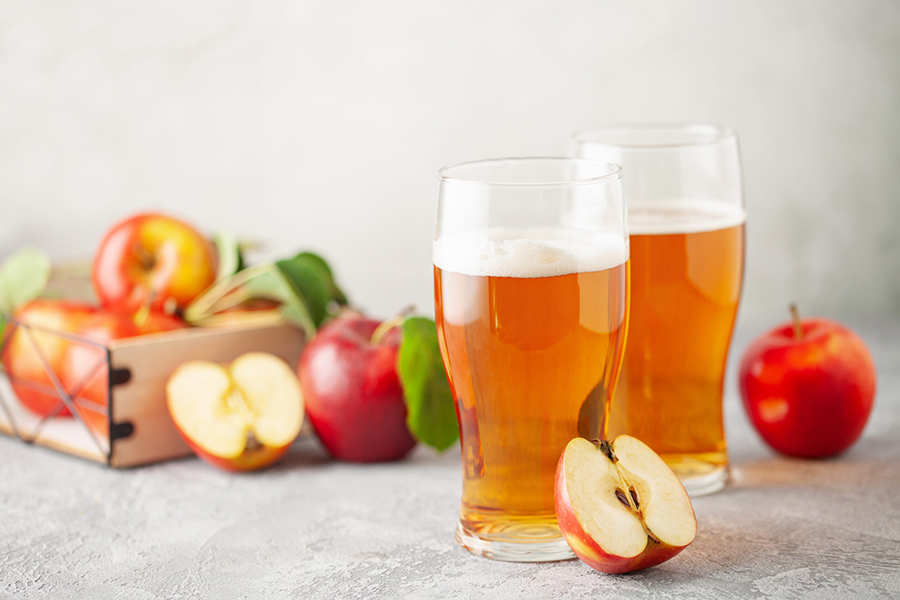
The cider-making journey begins in the orchard with the harvesting of ripe apples. The quality of the apples directly affects the flavor, aroma, and balance of the cider, making this step critically important. Apples selected for cider production are typically harvested at peak ripeness, when sugar levels, acidity, and tannins are well balanced.
Harvesting can be carried out in two main ways: manual harvesting and mechanical harvesting. Manual harvesting involves workers picking apples by hand, which allows for careful selection and minimal fruit damage. This method is often used for premium cider apples or smaller-scale production. Mechanical harvesting machines, on the other hand, are commonly used in large-scale operations. These machines efficiently shake or collect apples from trees and the ground, significantly reducing labor costs and improving productivity.
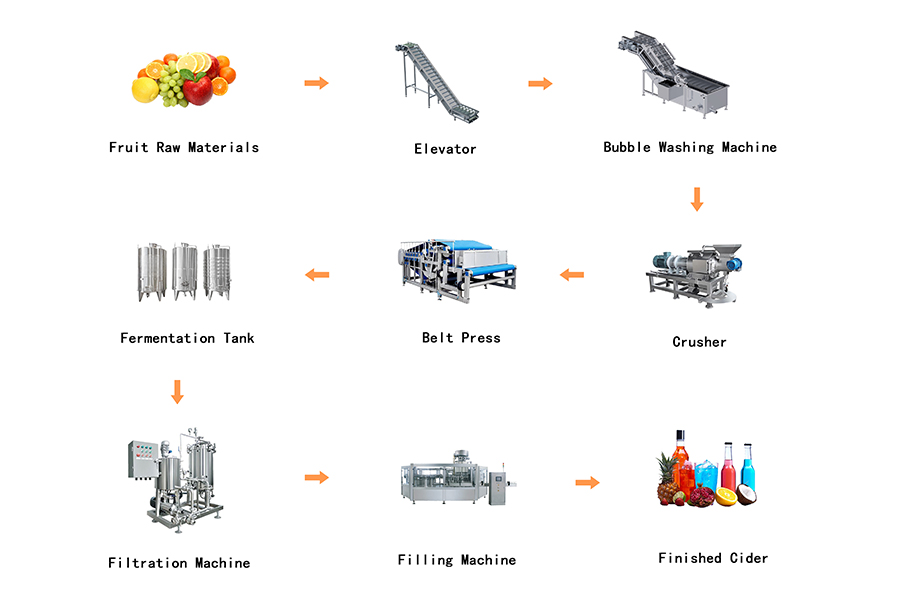
Once harvested, the apples are transported to the processing facility. An unloading machine is used to gently unload the apples from containers or transport vehicles. The apples are then conveyed via belts or channels to the next stage of processing. Proper handling during unloading is essential to prevent bruising or contamination, which could negatively affect juice quality and fermentation.
2. Sorting and Crushing
After unloading, the apples enter the sorting and crushing stage. This step ensures that only clean, high-quality apples are used in cider production.
First, the apples pass through a washing system, where they are thoroughly cleaned to remove dirt, leaves, pesticides, and other surface contaminants. Clean water sprays and rotating brushes are commonly used to achieve effective washing while minimizing damage to the fruit.
Following washing, the apples are sorted. Sorting can be done manually or automatically using optical sorting technology. Damaged, rotten, or unripe apples are removed to ensure consistency and prevent off-flavors in the cider. High-quality apples are then transferred to the crushing machine.
The crushing machine grinds the apples into a coarse mixture known as apple pomace. This pomace consists of apple pulp, skins, seeds, and juice. Crushing increases the surface area of the apples, allowing for more efficient juice extraction during the pressing stage. The texture of the pomace is carefully controlled—too fine a grind can make pressing difficult, while too coarse a grind may reduce juice yield.
3. Pressing
The crushed apple pomace is next transferred to the pressing stage, where juice is extracted. This is accomplished using a pressing machine, which applies mechanical pressure to separate liquid juice from the solid apple matter.
There are several types of presses used in cider production, including belt presses, hydraulic presses, and pneumatic presses. Regardless of the type, the goal is to maximize juice extraction while minimizing oxidation and bitterness from excessive pressure.
The extracted apple juice, often referred to as must, flows into collection tanks, while the remaining solid material is discharged as press cake. This byproduct can be reused for animal feed, compost, or other agricultural purposes, contributing to sustainable production practices.
Proper pressing is essential for achieving a balanced juice composition, as over-pressing may extract harsh tannins, while under-pressing may result in lower yields.
4. Fermentation
Fermentation is the core stage of cider production, where apple juice is transformed into alcoholic cider. The fresh juice is transferred into a fermentation tank, typically made of stainless steel to ensure hygiene and temperature control.
At this stage, yeast is added to the juice. The yeast consumes the natural sugars present in the apple juice and converts them into alcohol and carbon dioxide. This biochemical process also produces a wide range of flavor and aroma compounds that define the character of the cider.
Fermentation conditions such as temperature, oxygen levels, and yeast strain selection are carefully managed. Lower fermentation temperatures often result in fresher, fruit-forward aromas, while higher temperatures may enhance complexity but require closer monitoring.
The fermentation time varies depending on the apple variety, sugar content, yeast type, and desired cider style. It can range from several days to several weeks. Throughout fermentation, parameters such as sugar levels, alcohol content, and acidity are regularly measured to ensure consistent results.
Once fermentation is complete, the cider may be allowed to mature for a period to improve clarity and flavor stability.
5. Filtration
After fermentation, the cider contains suspended yeast cells, proteins, and other fine particles. To improve appearance and stability, the cider undergoes filtration.
A filtration machine is used to remove these impurities, resulting in a clear and transparent product. Filtration methods may include plate filters, membrane filters, or centrifuges, depending on the desired clarity level and production scale.
This step not only enhances the visual appeal of the cider but also improves shelf life by removing microorganisms that could cause spoilage or unwanted secondary fermentation in the bottle. In some cases, minimal filtration is chosen to retain more natural character, depending on market preferences.
6. Bottling
The final stage of the apple cider brewing process is bottling. Once filtered, the finished cider is transferred to a filling machine, where it is filled into bottles, cans, or other containers under hygienic conditions.
Modern filling machines ensure precise volume control and minimize oxygen exposure, which helps preserve freshness and flavor. Bottles are often sealed with caps or corks and may undergo pasteurization or other stabilization treatments to ensure product safety.
After labeling and packaging, the apple cider is ready for distribution and sale. The result is a carefully crafted beverage that reflects the quality of the apples and the precision of the production process.