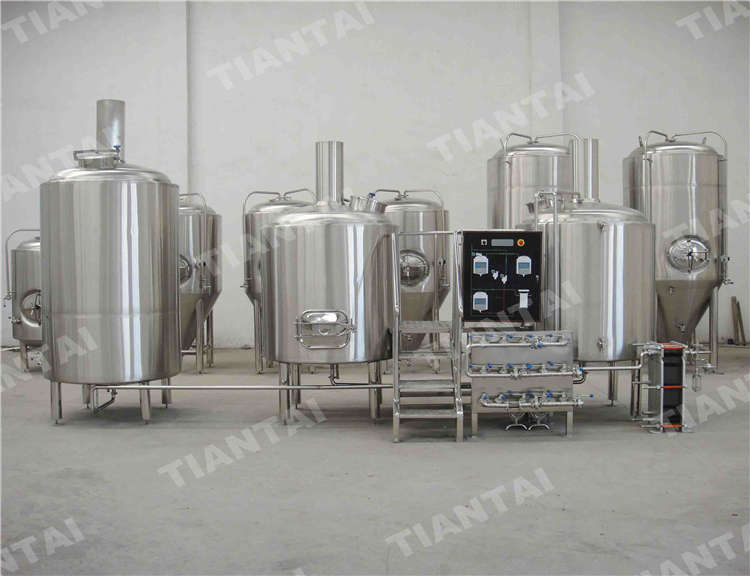
The global craft beer market is experiencing a remarkable upswing. North America accounts for a significant share of the global craft brewery equipment market, while Europe continues to experience steady growth in premium craft segments. For many small and medium-sized craft breweries across the U.S., Canada, and Europe, the “sweet trouble” of unmet order demand has become a common challenge. As consumer appetite for unique, high-quality brews continues to surge, expansion has emerged as the optimal strategy to break through production bottlenecks and capture more market share.
However, brewery expansion is far from a simple equipment upgrade; it’s a systematic project involving capacity planning, equipment selection, regulatory compliance, and cost control. A single misstep can lead to wasted investments, production downtime, or even missed market opportunities. The core of a successful expansion lies in striking a balance between “meeting current demand” and “reserving future growth space”—a principle that aligns with the evolving needs of mature craft markets in North America and Europe.
I. Core Craft Brewery Equipment
Equipment upgrading is the cornerstone of expansion, and modern, smart brewing systems have become the gold standard for overseas craft breweries aiming to stay competitive. Unlike traditional rigid setups, modular equipment solutions offer the flexibility needed to adapt to shifting consumer preferences—such as the rising demand for low-alcohol and specialty beers in Europe or the growing popularity of hazy IPAs in North America.
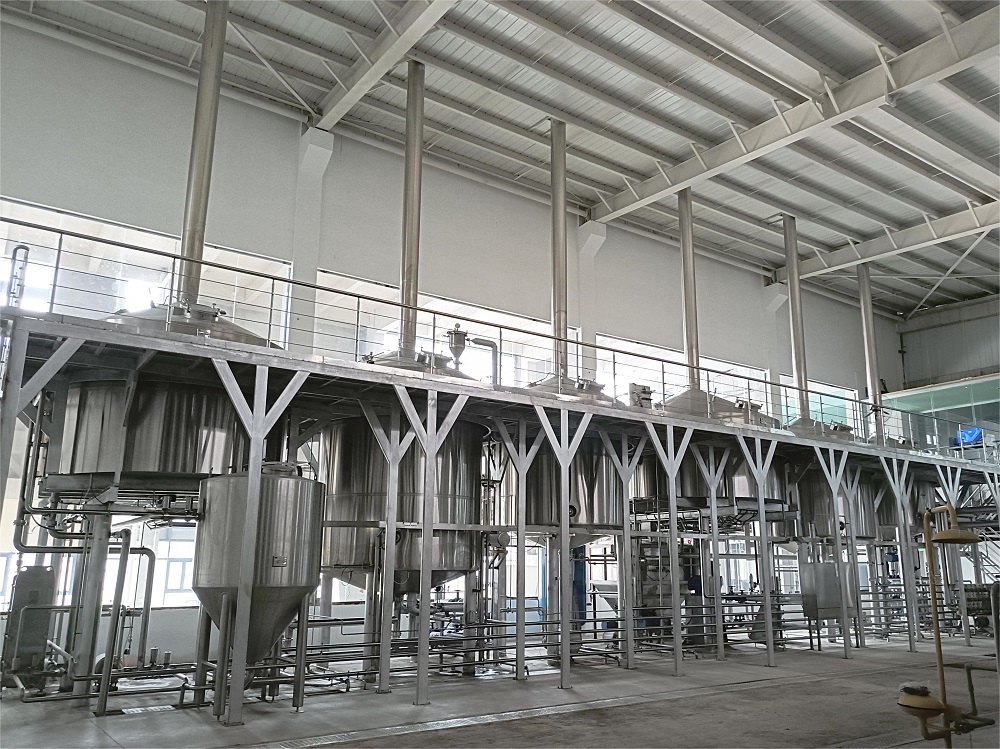
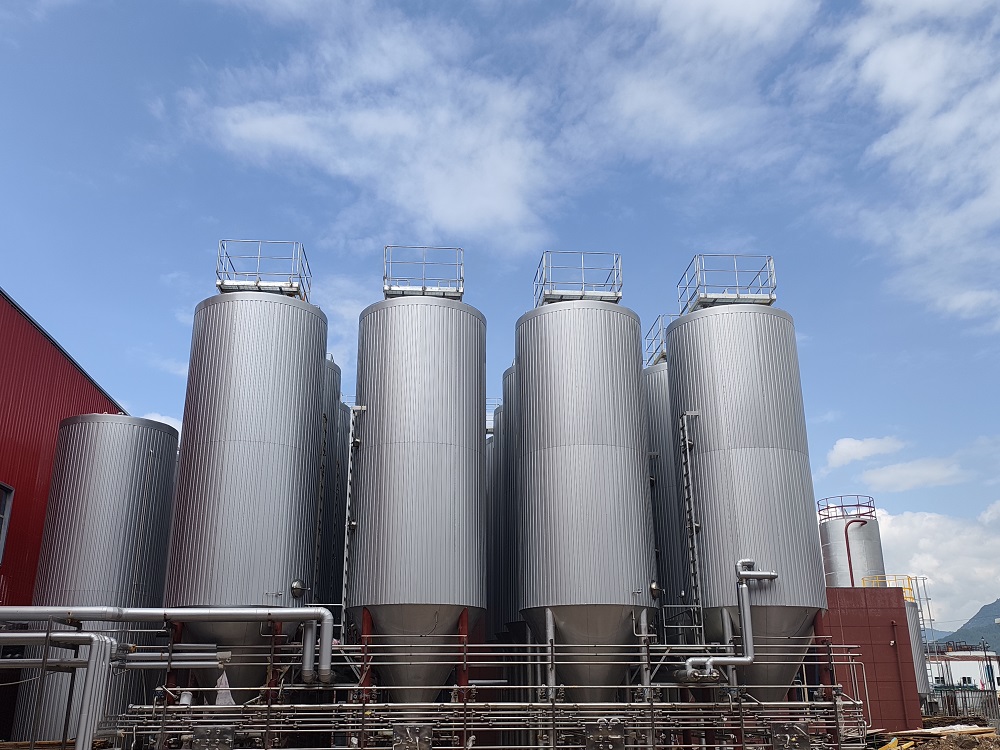
Key upgrades include: Adding large-capacity mashing equipment (or a holding tank before boiling to reduce wort residence time and boost efficiency). Expanding fermentation capacity by adding conical fermenters of corresponding sizes allows breweries to double production while maintaining continuous operations, avoiding the high costs and downtime associated with full equipment replacement.
Supporting equipment is equally crucial for operations: Upgrading to automated control systems (such as PLC-based production management systems) enables real-time monitoring of key brewing parameters, with remote adjustment capabilities to eliminate human error. A high-efficiency CIP (Clean-in-Place) system is non-negotiable for meeting strict hygiene standards in markets like the U.S. and EU, reduce labor dependence—a critical advantage amid rising labor costs in North America and Europe.
II. Capacity Planning
Before expanding, accurate capacity forecasting is essential, tailored to regional market dynamics.
Equipment Alignment: Allocate resources to expand capacity for best-selling products. This ensures that high-demand products remain readily available while minimizing waste on slower-moving SKUs.
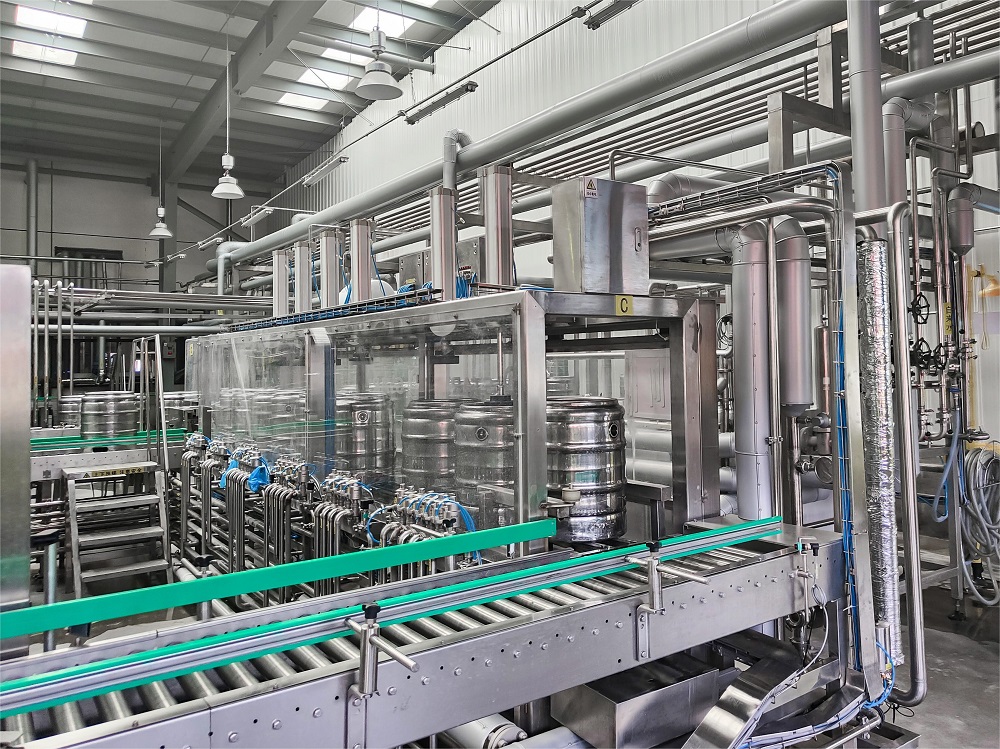
Packaging Line Adaptation: Match packaging solutions to regional consumption scenarios. For retail-dominant markets, invest in automated canning lines to meet the growing demand for portable, shelf-stable products. For on-premise sales (bars, restaurants) in Europe, supplement with keg filling lines to maintain beer freshness—a key factor for European consumers who value draft quality. Avoid the common pitfall of “production outpacing packaging,” which can lead to lost sales.
III. Regulatory Compliance
Compliance with local regulations is a prerequisite for smooth expansion in markets, where environmental and food safety standards are often stringent.
Environmental Upgrades: Sustainable brewing has become a non-negotiable trend globally. Proactively update environmental impact assessments, upgrade wastewater treatment facilities, and adopt energy-efficient equipment to ensure compliance with regional emission regulations.
Certification Updates: Prepare detailed documentation, including new equipment specifications and process flow diagrams, and engage with local regulatory bodies in advance to avoid post-expansion production halts.
Expansion Done Right Drives Long-Term Success
In the competitive global craft beer landscape, successful expansion is not about pursuing scale for scale’s sake. It’s about adhering to the principles of “demand-driven planning, scientific equipment upgrading, and proactive compliance.” By investing in flexible, smart equipment that adapts to regional trends—from North America’s love for innovative flavors to Europe’s focus on sustainability—breweries can control costs while ensuring production continuity and future scalability.
From modular equipment upgrades to phased capacity growth and regulatory preparedness, every step should balance short-term efficiency with long-term development. When executed strategically, expansion becomes a powerful driver of market share growth and operational efficiency, helping craft breweries thrive in the dynamic 2026 market. To learn more about brewery equipment, please visit https://www.craftbreweryequipment.com/product/.